One of the most challenging phrases I hear from my patients undergoing IVF is, “Doctor, my embryos are good, but they just aren’t implanting.” When this happens once or twice, it can be heartbreaking, but often attributed to chance. However, after three or more failed embryo transfers, particularly with good quality embryos, we move beyond the realm of randomness and into a clinical condition known as Recurrent Implantation Failure (RIF). It’s a signal, a strong indication that we need to investigate deeper.
01What is Recurrent Implantation Failure (RIF)?
Recurrent Implantation Failure, or RIF, is generally defined as the failure to achieve a clinical pregnancy after at least three fresh or frozen embryo transfers, where a total of at least four good-quality embryos have been transferred into a morphologically normal uterus. This definition is crucial because it helps us identify patients who genuinely need a comprehensive workup rather than simply repeating standard IVF protocols. It’s a diagnosis that compels us to pause, review, and strategise.
It’s important to understand that RIF is not just about the number of transfers, but also the quality of the embryos. If we've been transferring embryos graded as excellent or good (e.g., blastocysts of 4AA, 4AB, 4BA, 4BB, or even good quality cleavage-stage embryos), and still no pregnancy, then RIF becomes a significant concern. This often applies to patients who have undergone multiple cycles at various clinics without success, or even here in Hyderabad after persistent efforts.
02Why Does Recurrent Implantation Failure Occur?
The process of implantation is incredibly complex, involving a precise biological dialogue between the embryo and the uterine lining, also known as the endometrium. When this delicate conversation breaks down repeatedly, it can be due to factors related to the embryo, the uterus, or systemic issues affecting the woman’s body. Identifying the specific cause, or combination of causes, is key to developing a targeted treatment plan for recurrent implantation failure.
Embryo-related factors:
Even morphologically 'good' embryos can have underlying genetic or chromosomal abnormalities that prevent them from implanting or developing further. This is a common, often silent, cause of recurrent implantation failure. - Chromosomal abnormalities (aneuploidy): The most frequent reason. Despite looking good under the microscope, an embryo might have an incorrect number of chromosomes, making successful implantation or sustained pregnancy unlikely. - Genetic mutations: Less common, but specific gene mutations can also affect an embryo's viability.
Uterine factors:
The uterus needs to be a receptive environment for the embryo. Any structural or functional issues within the uterus can disrupt this receptivity. - Endometrial receptivity issues: The 'window of implantation' (WOI) is a specific period when the endometrium is ready to accept an embryo. If the transfer occurs outside this window, implantation failure is inevitable. - Uterine structural abnormalities: Polyps, fibroids (especially submucosal ones), Asherman’s syndrome (intrauterine adhesions), or congenital uterine anomalies (like a septate uterus) can all interfere with implantation by altering the uterine cavity or blood flow. - Chronic endometritis: A persistent, low-grade inflammation of the endometrial lining, often asymptomatic, caused by bacterial infection. It can hinder implantation and is a significant, yet treatable, cause of RIF.
Immunological and Systemic Factors:
The body's immune system plays a crucial role in reproduction. Sometimes, an overactive or misdirected immune response can reject the embryo. Systemic conditions can also impact implantation. - Thrombophilias: Blood clotting disorders that can impair blood flow to the uterus and placenta, potentially leading to implantation failure or early pregnancy loss. - Autoimmune conditions: Disorders like Antiphospholipid Syndrome (APS) can cause the body to attack its own tissues, including the developing embryo or placental blood supply. - Endocrine disorders: Uncontrolled thyroid dysfunction, diabetes, or elevated prolactin levels can all negatively impact implantation.
03The Recurrent Implantation Failure Workup: My Structured Approach
When a patient faces recurrent implantation failure, my approach is systematic and thorough, tailored to their individual history. This isn't about guessing; it's about evidence-based investigation. The workup typically involves several diagnostic steps, often in a phased manner, to identify potential causes without overwhelming the patient or incurring unnecessary costs.
Phase 1: Review and Basic Investigations
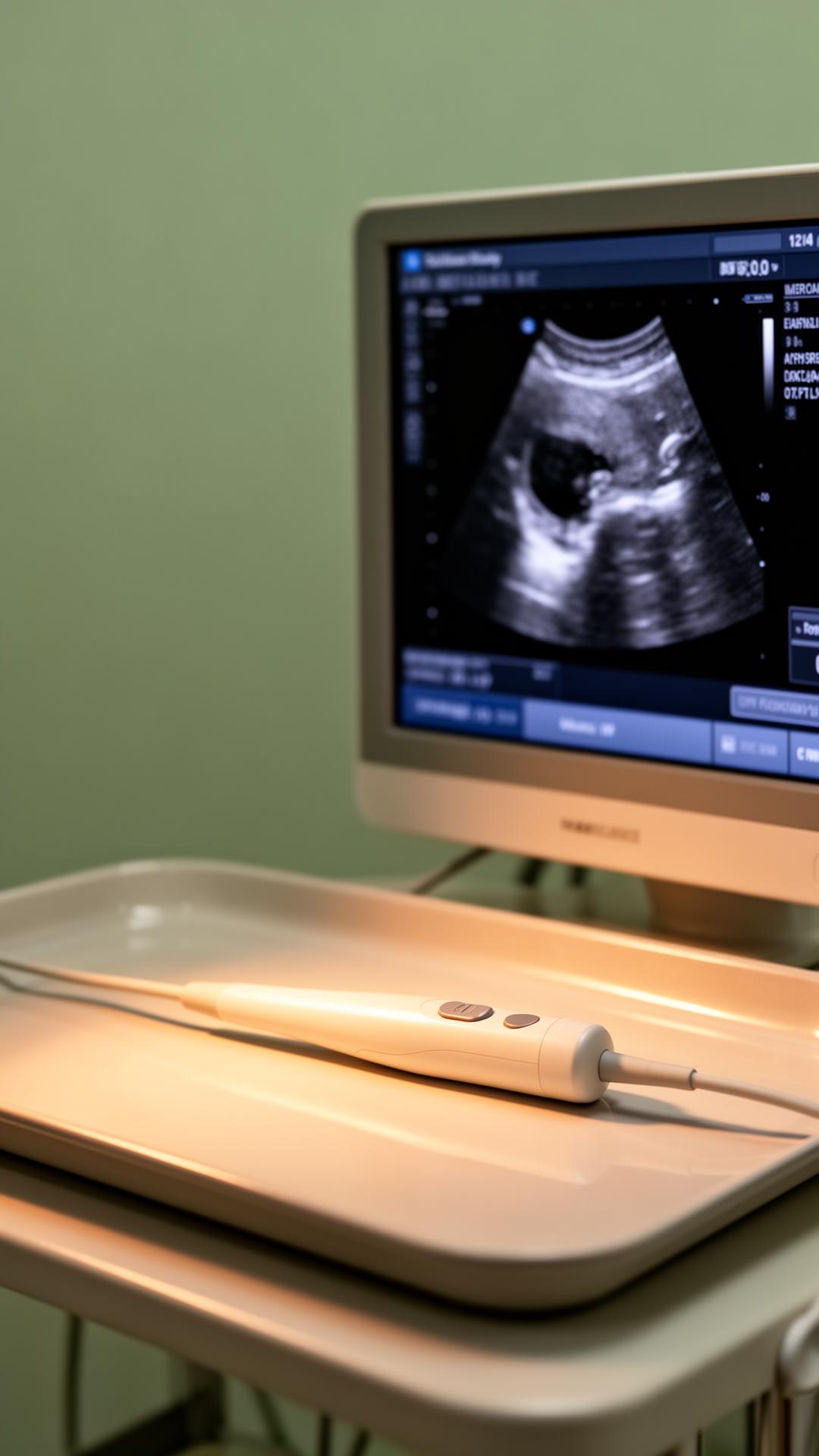
I start by meticulously reviewing all previous IVF cycles. This includes embryo quality, transfer details, hormone profiles, and any previous uterine imaging. We look for patterns. Simultaneously, I recommend initial investigations: - Detailed Transvaginal Ultrasound (TVS): To assess uterine morphology, endometrial thickness, and rule out polyps or fibroids. This is often done by a highly experienced sonologist. - Hysteroscopy: A minimally invasive procedure where a thin scope is inserted into the uterus to visualise the cavity directly. It's the gold standard for detecting and treating polyps, fibroids, adhesions, or chronic endometritis. This can often be done in an office setting or as a day care procedure, with costs ranging from INR 25,000 to 50,000 in Hyderabad, depending on anaesthesia and hospital stay. - Basic Blood Tests: To check for thyroid function (TSH), prolactin levels, and sometimes baseline immune markers like Antinuclear Antibodies (ANA).
Phase 2: Advanced Investigations (If Phase 1 is inconclusive or history suggests)
If the initial workup doesn't yield answers, or if the patient's history strongly points towards certain issues, we proceed with more advanced tests. This is where we look deeper into embryo and endometrial health. - Preimplantation Genetic Testing for Aneuploidy (PGT-A): If previous embryos were morphologically good but consistently failed, PGT-A (formerly PGS) can screen embryos for chromosomal abnormalities before transfer. This significantly improves implantation rates per transfer by selecting euploid (chromosomally normal) embryos. The cost per embryo for PGT-A in India typically ranges from INR 25,000 to 45,000, in addition to the IVF cycle cost. - Endometrial Receptivity Analysis (ERA): This test determines the optimal 'window of implantation' for a woman by analysing gene expression in an endometrial biopsy. It helps time the embryo transfer precisely. If the ERA results show a displaced window, we can adjust the progesterone administration accordingly. This test can cost between INR 40,000 to 60,000. - Chronic Endometritis Biopsy with immunohistochemistry (CD138): If hysteroscopy suggests inflammation or there's a history of recurrent losses, a biopsy for CD138 markers is crucial to diagnose chronic endometritis. If positive, it’s treated with antibiotics, often for 10-14 days. The cost of this specific biopsy ranges from INR 8,000 to 15,000.
Phase 3: Immunological and Thrombophilia Screening
For selected patients, especially those with recurrent losses or a personal/family history of autoimmune issues, we explore immunological factors. - Thrombophilia panel: Tests for genetic and acquired blood clotting disorders (e.g., Factor V Leiden, Prothrombin gene mutation, MTHFR, Antiphospholipid Antibodies). These can often be managed with blood thinners like aspirin and low molecular weight heparin (LMWH) during the IVF cycle and early pregnancy. Costs can vary widely depending on the number of tests, from INR 10,000 to 30,000. - Immunological Screening: While controversial and not universally recommended, for some patients we may look at Natural Killer (NK) cells or other immune markers. Treatment in this area is highly individualised and should always be discussed thoroughly due to limited robust evidence.
04Management Strategies for Recurrent Implantation Failure
Once we have identified potential causes for recurrent implantation failure, the treatment becomes targeted. It's a journey of discovery and often, a combination of approaches is needed. My goal is to optimise every possible factor for successful implantation.
Optimising the Embryo:
- PGT-A — As mentioned, transferring euploid embryos significantly reduces the chances of RIF due to chromosomal abnormalities. For older women or those with a history of RIF, this is a strong consideration.
- Blastocyst transfer — While not always suitable for all patients, transferring embryos at the blastocyst stage (Day 5/6) allows for better selection of more robust embryos, as only the healthiest embryos typically reach this stage.
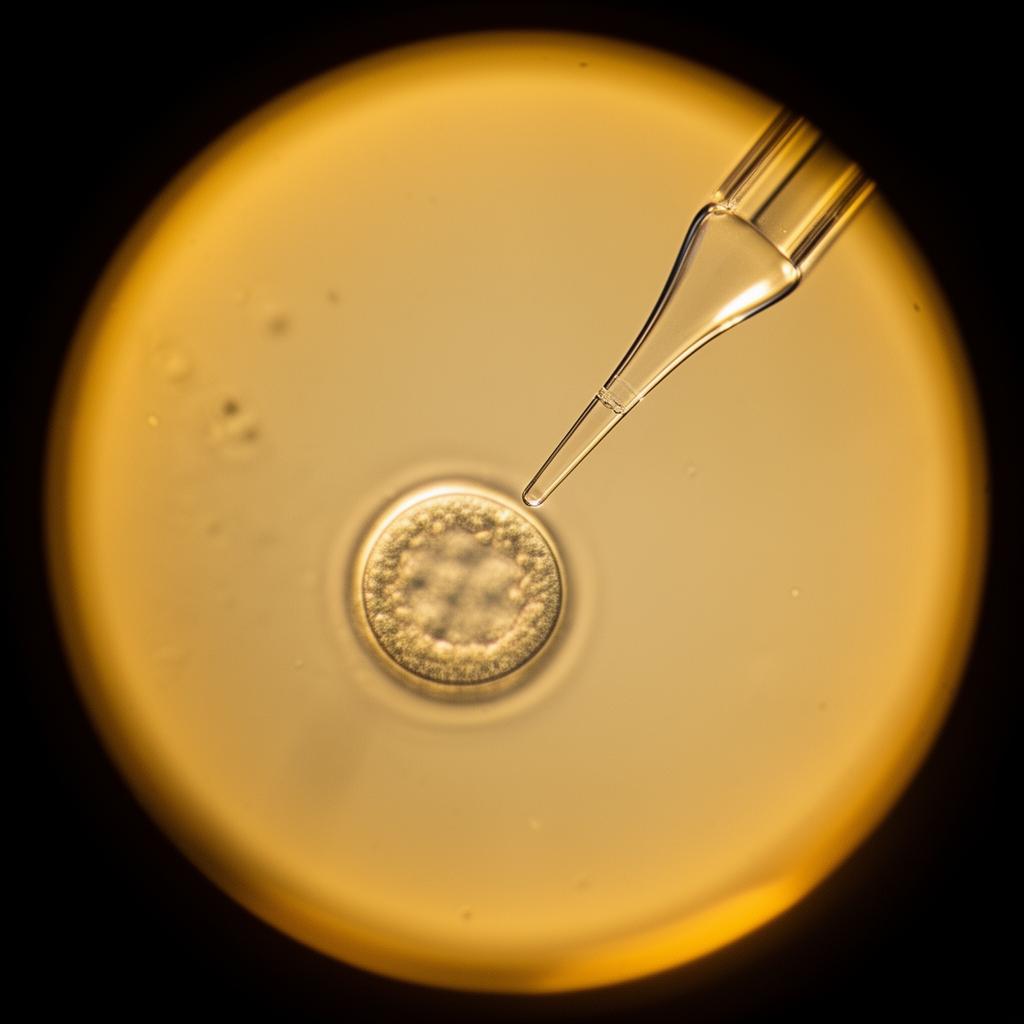
- Assisted Hatching — In some cases, a small opening is made in the embryo's outer shell (zona pellucida) to help it 'hatch' and implant. Its utility is debated but considered for specific RIF patients with thicker zona.
Optimising the Endometrium:
- Hysteroscopic Correction — Surgical removal of polyps, fibroids, or adhesions can significantly improve the uterine environment. Treating chronic endometritis with appropriate antibiotics is also highly effective.
- ERA-guided transfers — For patients with a displaced window of implantation, adjusting the timing of progesterone administration based on ERA results can improve synchrony between the embryo and the endometrium.
- Endometrial Scratch (Endometrial Injury) — This procedure, performed in the cycle before transfer, involves a minor biopsy of the endometrial lining. The theory is that it stimulates a 'repair' response, improving receptivity. While some studies show benefit, current evidence is conflicting, and it's not universally recommended. It costs around INR 5,000 to 10,000.
- Intrauterine PRP (Platelet-Rich Plasma) Infusion — A newer approach, where the patient's own PRP is infused into the uterus to potentially improve endometrial thickness and receptivity. Evidence is still emerging, but it's an option we discuss for refractory cases, costing approximately INR 10,000 to 20,000 per infusion.
Systemic and Immunological Interventions:
- Anticoagulants — For diagnosed thrombophilias, low-dose aspirin and LMWH are often prescribed during the IVF cycle and continued into pregnancy to improve uterine blood flow and reduce clotting risk.
- Immunomodulators — For specific immunological issues, treatments like corticosteroids (e.g., prednisolone), intravenous immunoglobulin (IVIG), or intralipids might be considered. These are used with caution and careful patient selection due to varying evidence and potential side effects. IVIG can be particularly expensive, often costing INR 30,000 to 60,000 or more per infusion.
05The Emotional Toll and Support
Experiencing recurrent implantation failure is not just physically demanding but profoundly emotionally taxing. The hope, followed by repeated disappointment, can lead to immense stress, anxiety, and even depression. It’s crucial to acknowledge this aspect of the journey. In my practice at Apollo Fertility, Hyderabad, I ensure my patients have access to counselling and support groups. Open communication with your fertility specialist, and a strong support system, are vital for navigating this challenging phase.
Want a personalised plan based on your reports?
Consult Dr. Sana by video from home — anywhere in India or abroad. Share your reports in advance and receive a written plan. No referral required.
Sources
- Indian Council of Medical Research — National ART Guidelines and the ART (Regulation) Act, 2021
- ESHRE — European Society of Human Reproduction and Embryology, clinical practice guidelines
- NICE CG156 — Fertility problems: assessment and treatment
- Royal College of Obstetricians and Gynaecologists — patient information and guidelines