Preconception Care
Evidence-based preconception planning — nutrition, weight, thyroid, diabetes screening, vaccination, folate and supplement protocols — for couples who want to do this properly.

What you do in the 90 days before conception shapes egg quality, sperm DNA integrity and the early weeks of pregnancy. This is one of the most undervalued chapters of fertility care in India — and one of the most rewarding when done right.
- Couples planning to start trying within 3–12 months
- Women with PCOS, hypothyroidism, prediabetes or high BMI
- Couples with a previous miscarriage or anomaly
- Women over 32 who want to conceive naturally with optimised odds
- Pre-conception bloods — TSH, HbA1c, vitamin D, B12, ferritin, lipid profile
- Rubella, varicella and Hepatitis B serology with vaccination if needed
- Genetic carrier screening (thalassaemia, SMA, fragile-X) where indicated
- Personalised folate dosing — 400 mcg vs 5 mg based on BMI/MTHFR/history
- Nutrition and weight plan with our in-house dietician
- Sperm-quality optimisation — antioxidants, lifestyle, heat exposure
How a preconception care pathway unfolds.
Why 90 days?
Eggs take roughly 90 days to mature from the primordial pool into the dominant follicle of a given cycle. Sperm take 72–90 days to develop from spermatogonia into mature, motile cells. The micronutrient status, thyroid balance, blood-sugar control and inflammation levels during this window directly affect chromosomal integrity, mitochondrial energy and embryo quality after fertilisation.
Indian data consistently shows under-treated subclinical hypothyroidism, vitamin D deficiency below 20 ng/ml in nearly 70% of urban women, and undiagnosed prediabetes in roughly one in five — all of which quietly reduce conception odds and increase miscarriage risk. Three months of focused correction often makes the difference between a sixth failed cycle and a positive test.
The Indian preconception plate
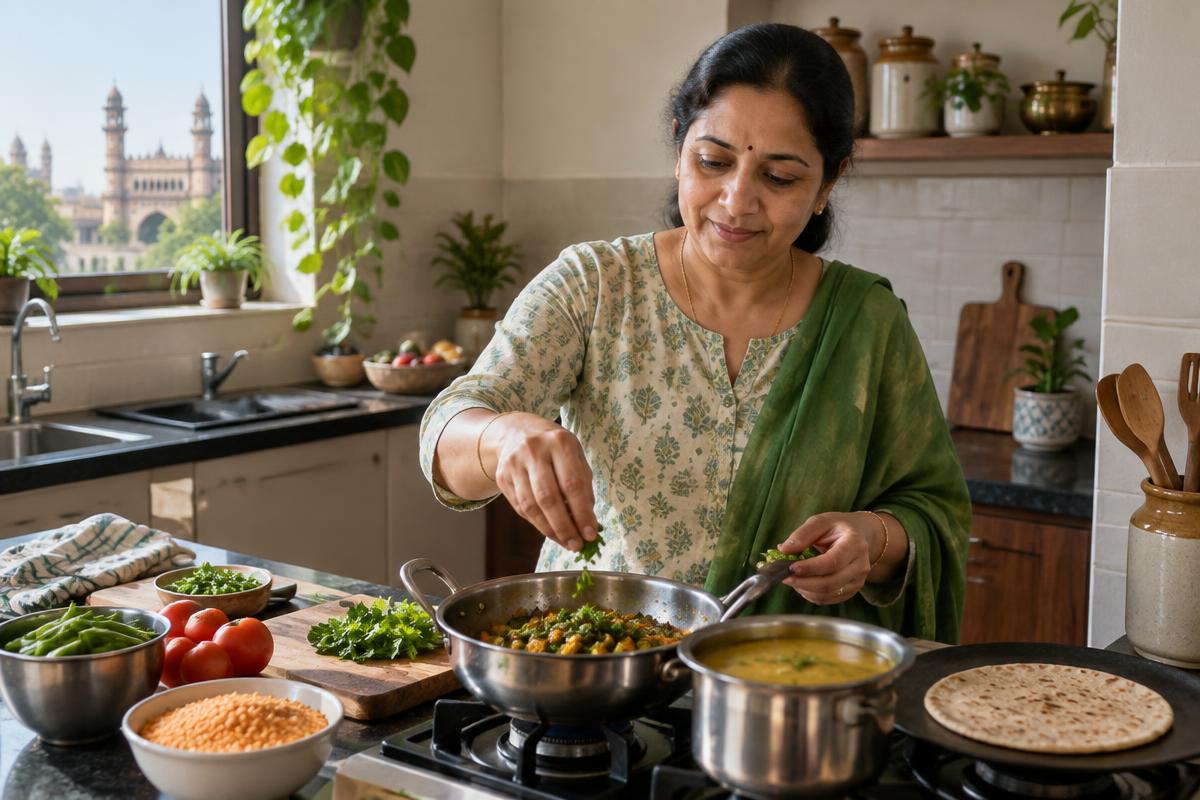
Our nutrition advice is built around what's actually on Indian tables — not imported diets. The core idea is a Mediterranean-style pattern adapted for our kitchens: more dals, more leafy greens, more fish or eggs where culturally appropriate, whole grains in place of refined flour, healthy fats from nuts and cold-pressed oils, and a sharp reduction in ultra-processed snacks and sugar-sweetened drinks.
For women with PCOS or insulin resistance — a huge proportion of our patient base — we add a low-glycaemic structure, regular movement, and where indicated, metformin. Weight loss of even 5–7% can restore ovulation in many PCOS patients without any further medication.
The shortest appropriate route is usually the best route.
Investigation narrows the choices. Treatment should become more specific as the evidence becomes clearer—not automatically more complex.
- 1
Assess
History, scans and both partners' tests
- 2
Understand
Find the factor that changes the plan
- 3
Choose
Natural, IUI, IVF or ICSI
- 4
Review
Learn from every response
Supplements: what's worth taking
Folate is non-negotiable — 400 mcg daily for most women, 5 mg for women with high BMI, prior neural tube defect, MTHFR mutation or on anti-epileptics. Vitamin D should be corrected to above 30 ng/ml. B12, iron and omega-3 are added based on individual deficiencies. CoQ10 (200–400 mg) and DHEA in carefully selected low-reserve patients have reasonable evidence.
What we don't recommend: expensive 'fertility blends' marketed online, herbal cocktails of unverified composition, or megadoses of antioxidants that can paradoxically worsen sperm quality. Less is more, when each addition is justified.
For the male partner
Sperm quality responds remarkably well to lifestyle change inside one full spermatogenic cycle. We focus on five things: avoiding scrotal heat (laptops on laps, hot tubs, tight underwear), stopping smoking and limiting alcohol, controlling weight, managing diabetes and hypertension, and a targeted antioxidant protocol where DFI is elevated. Add varicocele correction where indicated, and a 90-day window often transforms a borderline semen analysis into a healthy one.
Patients usually ask…
No — preconception care is for anyone planning pregnancy, natural or assisted. It often helps couples conceive without further intervention.
We work alongside what you trust, but we'll be honest about what the evidence supports and what may interfere with conception or with prescribed medication.
The biggest gains are in the 90 days before conception. Once you're pregnant, we transition you to antenatal care with appropriate supplements continued.
Talk to Dr. Sana about preconception care.
Book a video consultation through Superprofile from India or abroad, subject to local rules. In-person care is available at Apollo Fertility, Kondapur, Hyderabad. No referral is needed.
Book a video consultation →Booking from abroad and having trouble paying online? Contact us for alternative payment options.
WhatsApp about payment