Fertility Testing
Comprehensive male and female fertility evaluation — AMH, hormonal panel, semen analysis with DFI, 3D pelvic scan and HSG — interpreted together, not in isolation.
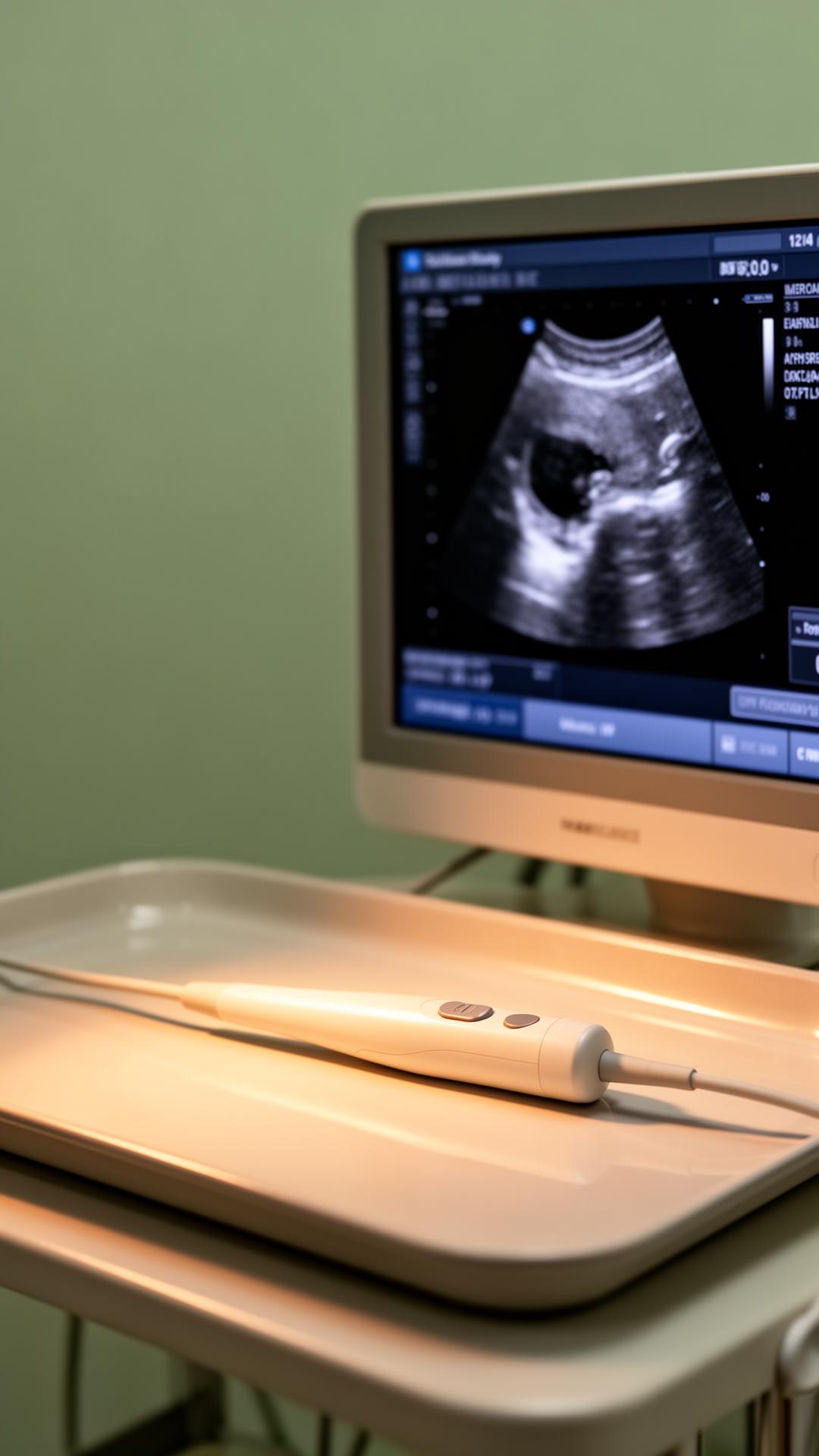
Most couples in India arrive at our clinic with a folder of scattered reports — an AMH from one lab, a semen analysis from another, an ultrasound from a third. Fertility testing only works when every piece is read together. Our evaluation programme brings the entire workup under one roof, finished within 7–10 days, with one consultant interpreting the result.
- Couples trying to conceive for 12+ months (or 6+ months if the woman is over 35)
- Women with irregular cycles, PCOS, endometriosis or previous pelvic surgery
- Men with previously abnormal semen reports or varicocele history
- Anyone planning pregnancy who wants a baseline before starting
- Day-2 hormonal profile — FSH, LH, oestradiol, prolactin, TSH
- AMH (anti-Müllerian hormone) — ovarian reserve marker
- 3D transvaginal scan with antral follicle count
- Hysterosalpingography (HSG) or saline infusion sonography for tubal patency
- Comprehensive semen analysis with DNA fragmentation index (DFI)
- Pre-conception screening — thyroid, vitamin D, HbA1c, infection panel
- 45-minute interpretation consultation with a personalised plan
How a fertility testing pathway unfolds.
Why one-roof testing matters
AMH numbers from different labs in Hyderabad can vary by 20–30% depending on the assay platform used — Roche, Beckman and Siemens all calibrate slightly differently, and a result that looks alarming on one report may be reassuringly normal on another. Antral follicle counts done by a sonographer untrained in fertility imaging routinely miss small follicles between 2–4mm, which are exactly the ones that matter for ovarian reserve. Semen analyses without strict-criteria morphology are essentially incomplete — the WHO 2021 reference ranges are now the global standard, but most general pathology labs in India still report against the looser 1999 criteria.
When the workup is fragmented, you get fragmented decisions. A couple may be told they 'need IVF' on the basis of a single low AMH, when in reality their antral follicle count is reassuring and natural conception is still very likely. Or the opposite — they may be told everything looks fine, when a high DFI in the male partner is quietly explaining their losses. Our integrated programme uses validated assays, fertility-trained sonographers and embryologist-reviewed semen reports — so the plan you walk out with is based on data you can trust.
What we test in women
The female workup centres on three questions: Are you ovulating? Is your reserve adequate for your age? Are the uterus and tubes structurally normal? To answer them we combine a Day 2–4 hormonal profile (FSH, LH, oestradiol, prolactin, TSH), an AMH (which can be drawn on any cycle day), a 3D transvaginal scan with antral follicle count, and either an HSG or saline infusion sonography to assess the uterine cavity and tubal patency.
We also screen for the metabolic and endocrine factors that quietly suppress conception in Indian women — subclinical hypothyroidism, vitamin D deficiency, prediabetes and high prolactin. These aren't optional extras; treating them often shifts a couple from 'unexplained infertility' to 'pregnant within three cycles'.
The shortest appropriate route is usually the best route.
Investigation narrows the choices. Treatment should become more specific as the evidence becomes clearer—not automatically more complex.
- 1
Assess
History, scans and both partners' tests
- 2
Understand
Find the factor that changes the plan
- 3
Choose
Natural, IUI, IVF or ICSI
- 4
Review
Learn from every response
What we test in men
A semen analysis alone is not a fertility evaluation. Volume, count, motility and strict-criteria morphology are the basics, but DNA fragmentation index (DFI) is the test that often changes the plan — particularly in couples with recurrent miscarriage, failed IUIs or advanced paternal age. We also assess for varicocele on scrotal ultrasound, hormonal profile (testosterone, FSH, LH) and infection markers when indicated.
About one in three of the men we test have a treatable factor — varicocele, infection, hormonal imbalance or oxidative stress — that improves substantially within 90 days of intervention. Skipping the male workup, or doing it superficially, is one of the most common reasons couples cycle through unsuccessful treatments.
What it costs and how to plan
A complete couple workup at Apollo Fertility Kondapur is typically ₹18,000–₹28,000 depending on which add-ons (DFI, karyotype, thrombophilia panel) are clinically indicated. Most diagnostic tests are reimbursable under corporate and government health schemes — we help with paperwork and predeterminations.
We schedule the entire workup across two visits over 7–10 days so that working couples don't lose multiple days. The first visit is timed to cycle day 2–4; the second is the interpretation consult, where Dr. Sana sits down with both partners and walks through every report on a single page.
Patients usually ask…
Ideally yes — even one joint visit saves weeks. If the husband is travelling, semen samples can be produced at the lab on a separate day or, in select cases, frozen samples brought from another centre can be used for analysis.
All tests are completed within 7–10 days. The interpretation consult is scheduled once every report is in hand, so you receive a single coherent plan rather than piecemeal updates.
No. About 35% of couples we evaluate need only timed cycles, IUI or surgical correction — IVF is recommended only when the data supports it. We document our rationale in writing so you can seek a second opinion if you wish.
AMH, semen analysis and antral follicle count should be no older than 3–6 months for treatment planning. Karyotyping and genetic tests don't need to be repeated.
Talk to Dr. Sana about fertility testing.
Book a video consultation through Superprofile from India or abroad, subject to local rules. In-person care is available at Apollo Fertility, Kondapur, Hyderabad. No referral is needed.
Book a video consultation →Booking from abroad and having trouble paying online? Contact us for alternative payment options.
WhatsApp about payment