Online consultations available Book an online consultation →
Menopause care

Menopause Hormone Therapy

Body-identical HRT, prescribed properly

In short

Menopause hormone therapy replaces the oestrogen the ovaries no longer produce, with progestogen added when the uterus is present. It is the most effective treatment for hot flushes, night sweats and many related symptoms. Suitability, route and dose are individual decisions, made after a full assessment of benefits and risks.

  • Symptoms are affecting daily life or sleep
  • You want a balanced discussion of benefits and risks
  • You are considering starting, changing or reviewing hormone therapy
  • You need a plan based on your history rather than a standard prescription
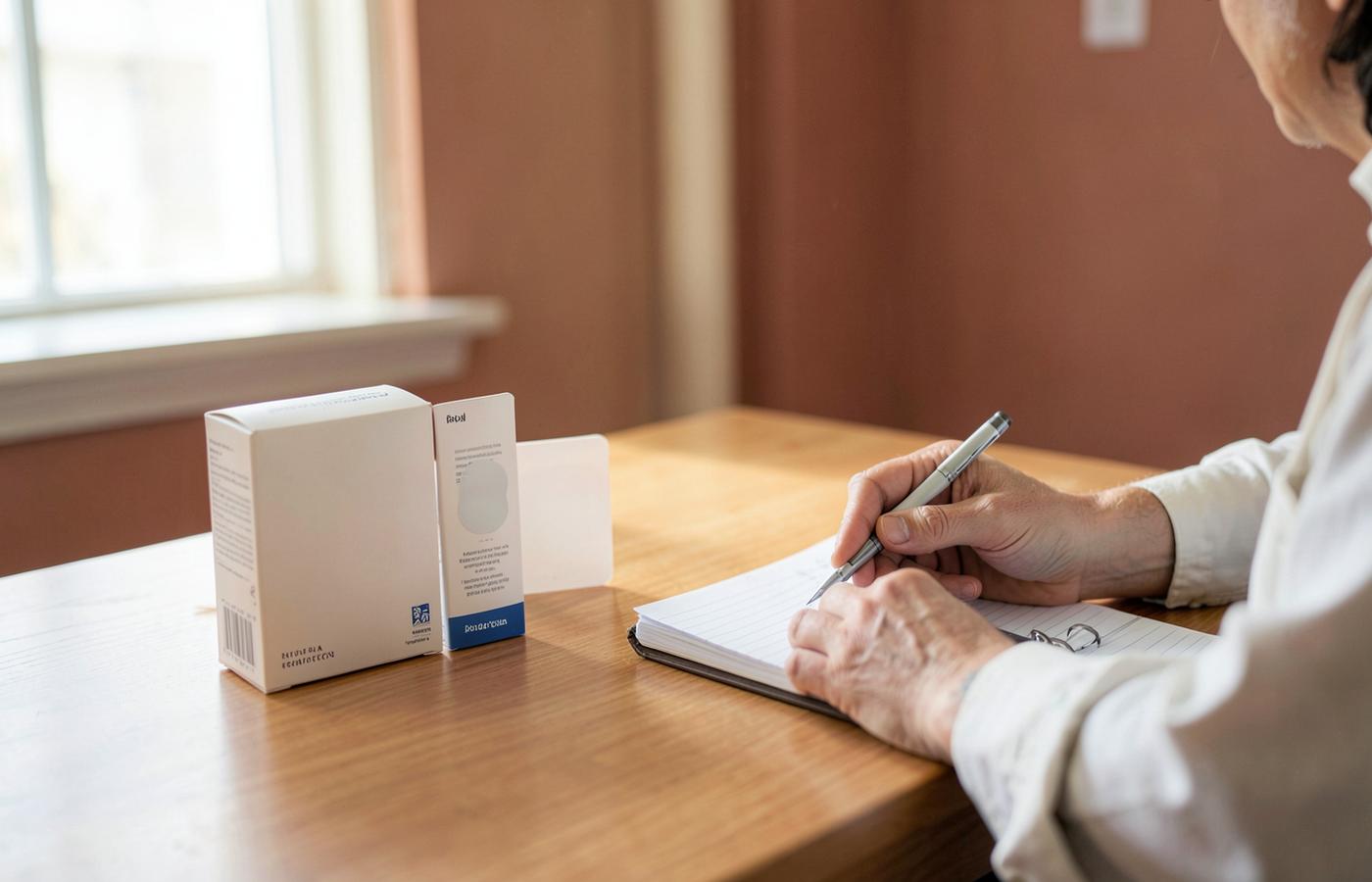
A clinician writing a hormone therapy plan at a consultation desk
01

What hormone therapy is, and what it is not

Menopause hormone therapy, still widely called HRT, means replacing oestrogen that the ovaries have stopped producing in sufficient quantity. Women who still have a uterus also need a progestogen, because oestrogen given alone thickens the lining of the womb over time. Women who have had a hysterectomy usually need oestrogen only. Testosterone is a separate consideration, used in specific circumstances rather than routinely.

The term body-identical refers to preparations whose molecular structure matches the hormones the body itself produces: 17-beta oestradiol and micronised progesterone. These are regulated, licensed medicines. They are not the same as compounded bioidentical products made up individually by a pharmacy, which are not standardised, not regulated in the same way, and not recommended by international menopause bodies. That distinction matters and is explained plainly in consultation.

02

What it treats well, and what it does not

Hormone therapy is the most effective available treatment for hot flushes and night sweats, and for many women it substantially improves sleep quality, joint aches, mood symptoms that track the hormonal transition, and genitourinary symptoms. Started at an appropriate time, it also helps preserve bone density and reduces fracture risk. For women with early menopause or premature ovarian insufficiency, it is replacement of hormones that should still be present rather than an optional extra, and the risk-benefit balance is different and generally more favourable.

It is not a treatment for everything that happens after 45. Weight change, tiredness, low mood with other causes, and cognitive complaints can have several contributors, and attributing all of them to hormones risks missing thyroid disease, anaemia, sleep apnoea, depression or vitamin deficiency. An honest consultation says clearly which of your symptoms are likely to respond and which need a different approach.

One transition, many signals

Symptoms rarely arrive in isolation.

A useful assessment connects the pattern across sleep, temperature, mood, cycles, bone and heart health rather than treating each symptom as a separate problem.

03

Routes, and why the route matters

Oestrogen can be delivered through the skin as a patch, gel or spray, or taken by mouth. Transdermal delivery bypasses first-pass metabolism in the liver and is generally preferred where there are risk factors such as migraine with aura, raised BMI, gallbladder disease or a personal or family history of venous thromboembolism. Oral preparations remain appropriate for many women and are sometimes more practical or more affordable.

Progestogen options include micronised progesterone capsules and the levonorgestrel intrauterine system, which additionally provides contraception and can control heavy bleeding. Regimens may be sequential, producing a monthly bleed, or continuous combined, aiming for no bleed, depending on where you are in the transition. Vaginal oestrogen is a separate, very low-dose local treatment that can be used alongside systemic therapy or on its own, and is suitable for many women who cannot take systemic hormones.

04

Benefits and risks, discussed honestly

Any prescription involves a balance. The risks associated with hormone therapy depend on the type used, the route, the age at which it is started, the time since menopause, and personal and family medical history. Transdermal oestrogen is not associated with the increase in venous thrombosis risk seen with oral preparations. Any change in breast cancer risk relates largely to combined therapy and to duration of use, and is presented in absolute terms alongside other everyday risk factors rather than as a headline percentage.

Certain histories require particular care or make systemic hormone therapy unsuitable: hormone-sensitive breast cancer, active liver disease, unexplained vaginal bleeding, and previous unprovoked clotting events among them. In those situations the consultation focuses on effective non-hormonal treatment and, where appropriate, local vaginal therapy. Nothing on this page is a recommendation for any individual; suitability is determined only in consultation.

05

Starting, reviewing and stopping

Treatment usually begins at a modest dose, with a review after around three months. That first review checks symptom response using the same score taken at baseline, looks at bleeding patterns, blood pressure and side effects, and adjusts dose, route or regimen where needed. Some women feel a difference within weeks; others need a dose or preparation change before they do. Early side effects such as breast tenderness or spotting are common and often settle.

After that, annual review is standard. There is no fixed age at which hormone therapy must stop; the decision to continue is reviewed each year against symptoms, benefits and current risk profile. Women who wish to stop are supported to reduce gradually where that is preferred, with a plan for what to do if symptoms return.

What is involved

Assessment before prescription.

01

Listen

Your symptoms, cycle, medical history and priorities, with a structured symptom score for a baseline.

02

Assess

Relevant risk factors, blood pressure and investigations where they change management.

03

Plan

A written, individual plan with safety-net advice and a clear review point.

Preparing

Brought to the consultation

  • Full personal medical and surgical history
  • Any history of clots, stroke, migraine with aura or liver disease
  • Family history of breast, ovarian or endometrial cancer
  • Current medicines, including any previous HRT and how it suited you
  • A recent blood pressure reading if available
  • Your own priorities: which symptom you most want treated
Common questions

Menopause Hormone Therapy: answers

Is HRT safe?+

Safety depends on the individual. For most healthy women starting within ten years of menopause and under 60, the benefits generally outweigh the risks, and risk varies with the type, route and duration of therapy. Some medical histories make systemic hormone therapy unsuitable, which is why an individual assessment is required.

How long can hormone therapy be continued?+

There is no arbitrary time limit. Continuation is reviewed annually against symptoms, benefits and current health, and the decision is made jointly.

Will HRT cause weight gain?+

Hormone therapy itself is not an established cause of weight gain. Body composition commonly changes around menopause with age and falling oestrogen, and this is addressed through strength training, protein intake and activity alongside any medical treatment.

Do I need hormone therapy if my symptoms are mild?+

Not necessarily. Treatment is offered when symptoms affect quality of life, or when there is a specific indication such as early menopause or bone protection. Mild symptoms may be managed with non-hormonal measures.

This page is general information about menopause care and is not a diagnosis, prescription or treatment recommendation for any individual. Medicines, doses and suitability are decided only in consultation.

Discuss menopause hormone therapy with Dr. Sana.

Book an online consultation → Menopause overview
Online consultation

Select a date and time that suits you.

Difficulty booking? Contact us on WhatsApp

Book an online consultation →
Book a consultation