Male Fertility & Azoospermia
Full andrology evaluation — semen analysis to WHO 2021 criteria, DNA fragmentation, hormones, scrotal imaging and genetics — with surgical sperm retrieval pathways for azoospermia.

A male factor contributes in roughly half of all couples with infertility, yet the male workup is frequently a single semen report from a general laboratory. That is not an evaluation. Sperm production responds to treatment over about three months, which makes male factor one of the few areas in fertility where a genuine improvement can be achieved before treatment even begins.
- Any couple starting fertility evaluation — the male partner is assessed in parallel, not after
- Abnormal semen parameters on a previous report
- Azoospermia — no sperm found in the ejaculate
- Recurrent miscarriage or poor embryo development with no female-factor explanation
- Men after chemotherapy, testicular surgery, mumps orchitis or anabolic steroid use
- Semen analysis reported against WHO 2021 reference values with strict morphology
- Sperm DNA fragmentation index
- Hormonal profile — FSH, LH, testosterone, prolactin
- Scrotal and Doppler ultrasound for varicocele and obstruction
- Karyotype and Y-chromosome microdeletion screening in severe cases
- Referral pathway for TESA, PESA or micro-TESE where indicated
How a male fertility & azoospermia pathway unfolds.
Obstructive versus non-obstructive azoospermia
Azoospermia means no sperm are found in a properly centrifuged semen sample. The critical distinction is whether sperm are being produced but cannot get out, or are not being produced in usable numbers. Obstructive azoospermia — after vasectomy, infection, or with congenital absence of the vas deferens — usually has normal testicular volume and normal FSH, and sperm retrieval succeeds in the large majority of cases.
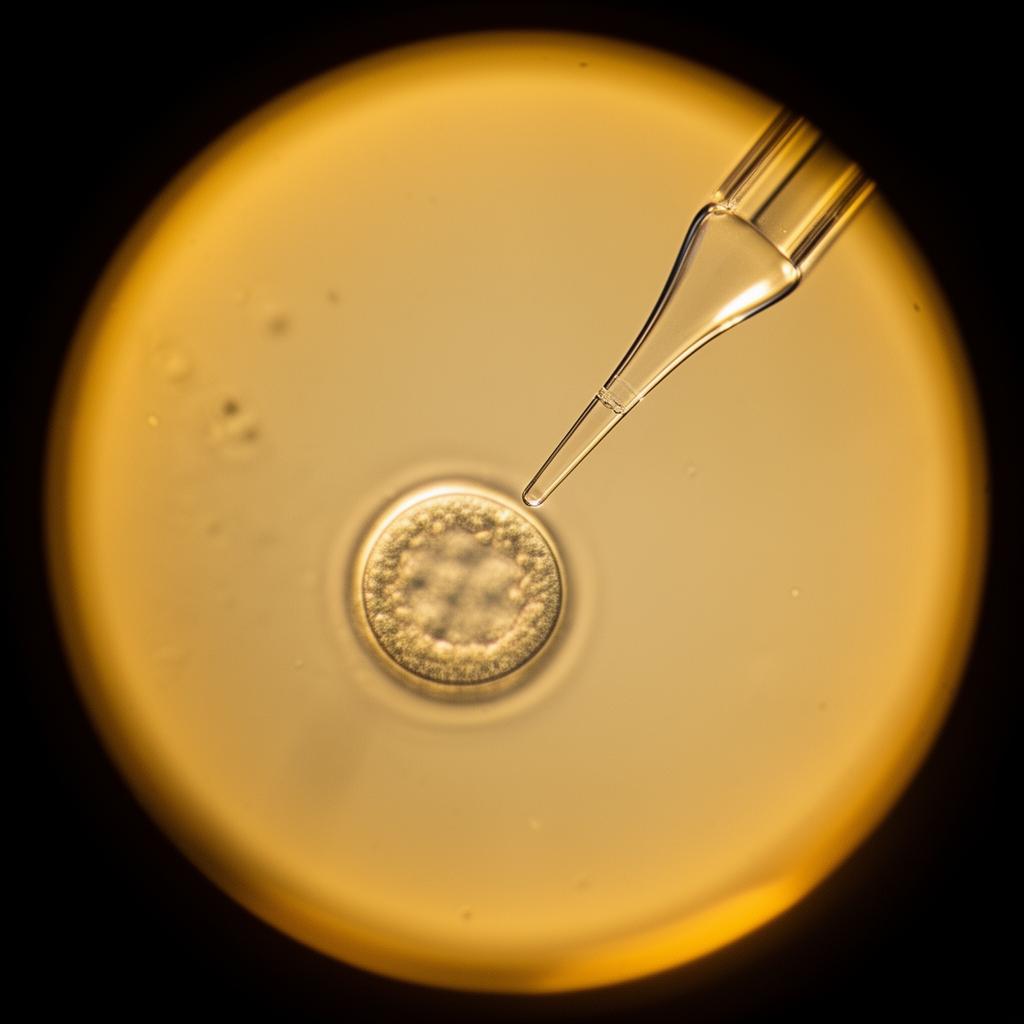
Non-obstructive azoospermia involves impaired production, typically with raised FSH and reduced testicular volume. Retrieval is still possible using micro-TESE, in which the surgeon searches under the operating microscope for the small pockets of tissue still producing sperm. Success is far from guaranteed, and any couple entering this pathway should be told the realistic probability and the plan if no sperm are found — including donor sperm as a considered option rather than an emergency decision on the day.
Varicocele, lifestyle and the things that genuinely help
Varicocele is the commonest correctable cause of male infertility, and repair in appropriately selected men — clinically palpable varicocele with abnormal parameters — improves semen quality and pregnancy rates. Subclinical varicoceles found only on scan generally do not warrant surgery.
The lifestyle advice worth giving is narrow but real: stop smoking and tobacco in every form, cut alcohol, treat obesity, control diabetes, avoid prolonged scrotal heat, and stop anabolic steroids and testosterone supplements, which suppress sperm production and are a common and reversible cause in men who have been prescribed them for gym or energy purposes. Antioxidant supplements have modest and inconsistent evidence and are positioned accordingly rather than sold as a cure.
The shortest appropriate route is usually the best route.
Investigation narrows the choices. Treatment should become more specific as the evidence becomes clearer—not automatically more complex.
- 1
Assess
History, scans and both partners' tests
- 2
Understand
Find the factor that changes the plan
- 3
Choose
Natural, IUI, IVF or ICSI
- 4
Review
Learn from every response
DNA fragmentation, and when it changes the plan
Standard semen parameters describe how many sperm there are and how they move. They say nothing about the integrity of the DNA inside them. A man with an entirely normal report can have a high DNA fragmentation index, and this is associated with poor embryo development, failed implantation and early miscarriage.
When fragmentation is high, several things can change: treating infection or varicocele, reducing oxidative stress over three months, using shorter abstinence intervals, selecting sperm with PICSI, or in selected cases using testicular sperm, where fragmentation is typically lower than in ejaculated sperm. That is a real and actionable pathway, and it is the reason the test is worth doing before a third failed cycle rather than after.
Patients usually ask…
No. Parameters fluctuate considerably with illness, fever, abstinence period and stress. A repeat sample after a few weeks is standard before any conclusion is drawn.
Often yes. Surgical retrieval finds usable sperm in most obstructive cases and in a meaningful proportion of non-obstructive cases with micro-TESE. Where none is found, donor sperm is discussed with counselling.
Sperm production takes roughly 72–90 days, so any intervention is judged at three months. Repeating a semen analysis after three weeks tells you very little.
Talk to Dr. Sana about male fertility & azoospermia.
Book a video consultation through Superprofile from India or abroad, subject to local rules. In-person care is available at Apollo Fertility, Kondapur, Hyderabad. No referral is needed.
Book a video consultation →Booking from abroad and having trouble paying online? Contact us for alternative payment options.
WhatsApp about payment