Navigating the world of In Vitro Fertilisation, or IVF, can feel like begin a journey into the unknown. As a fertility specialist, I often see my patients overwhelmed by the sheer volume of information available, and the often-technical jargon that accompanies it. My aim today is to demystify the IVF cycle, breaking it down week by week, so you understand exactly what to expect from the moment you begin to the hopeful conclusion.
01Week 0: Preparation and Planning – Laying the Groundwork for Your IVF Journey
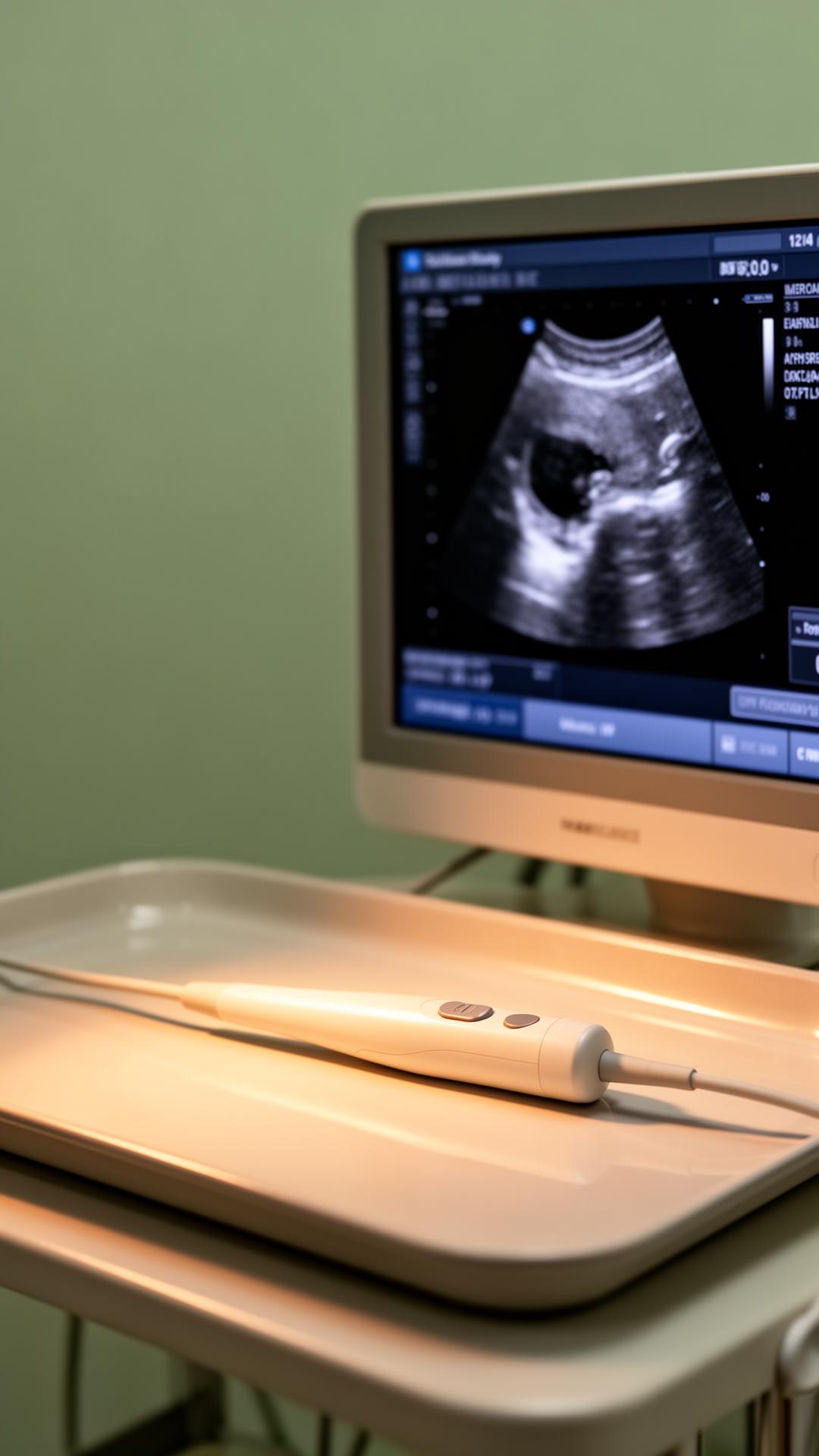
Before we even talk about 'treatment', there's a crucial preparatory phase. This often involves a detailed consultation where I review your medical history, discuss previous treatments, and conduct a thorough physical examination and relevant investigations. For women, this includes assessing ovarian reserve through blood tests like AMH (Anti-Müllerian Hormone) and a transvaginal ultrasound scan to count antral follicles. For men, a comprehensive semen analysis is vital.
This is also when we perform necessary screening tests for both partners, as mandated by the ART Act 2021 in India, including infectious disease markers such as HIV, Hepatitis B and C. We discuss the various stimulation protocols available, tailor a plan specifically for you based on your unique profile and diagnosis, and ensure you understand the potential outcomes, risks, and financial implications. This pre-cycle counselling is vital for informed consent and to alleviate anxieties.
02Week 1: Ovarian Stimulation – Waking Up Your Ovaries
Once all preliminary checks are complete and your personalised protocol is finalised, we begin the ovarian stimulation phase. This typically starts on Day 2 or 3 of your menstrual cycle, though sometimes a 'luteal phase start' or random start is used. The goal is to encourage your ovaries to produce multiple mature eggs, rather than the single egg usually released in a natural cycle. This is achieved through daily hormone injections, administered subcutaneously (just under the skin).
These injections contain gonadotropins, which are essentially synthetic versions of the hormones your body naturally produces to stimulate follicle growth. You'll be taught how to administer these injections at home, or you can visit our clinic. Throughout this week, I monitor your progress closely with regular transvaginal ultrasound scans (typically every 2-3 days) to measure the growth of your follicles and blood tests to check your oestrogen levels. The dosage of medication may be adjusted based on these findings. Some patients experience mild bloating or tenderness, but generally, this phase is well-tolerated. The cost for the stimulation medications alone can range from approximately INR 40,000 to INR 1,50,000 depending on the dosage and duration required.
03Week 2: Trigger Shot and Egg Retrieval – The Big Day
By the end of week two, or sometimes extending into early week three, your follicles should have reached an optimal size, typically 18-20mm, and your oestrogen levels will be indicative of maturity. At this point, we administer a 'trigger shot'. This injection, usually hCG (Human Chorionic Gonadotropin) or a GnRH agonist, mimics the natural surge of LH (Luteinising Hormone) that triggers final egg maturation and release. The timing of this shot is absolutely critical – it must be given precisely 34-36 hours before egg retrieval.
Egg retrieval itself is a minor surgical procedure performed under conscious sedation or general anaesthesia here at Apollo Fertility, Kondapur. I use a fine needle, guided by transvaginal ultrasound, to aspirate the fluid from each mature follicle. This fluid, which contains the eggs, is immediately passed to our embryology lab. The procedure usually takes about 15-30 minutes, and most patients can go home a few hours later after a short recovery. You might experience mild cramping or spotting afterwards, but severe pain is uncommon. The retrieved eggs are then assessed by the embryologist.
04Week 3: Fertilisation and Embryo Culture – The Magic in the Lab
Once the eggs are retrieved, they are taken to our state-of-the-art embryology lab. Here, they are prepared for fertilisation. For conventional IVF, sperm (either from your partner or a donor) are washed and then added to the dish containing the eggs. For ICSI (Intracytoplasmic Sperm Injection), which is often recommended for male factor infertility or previous fertilisation failure, a single healthy sperm is injected directly into each mature egg.
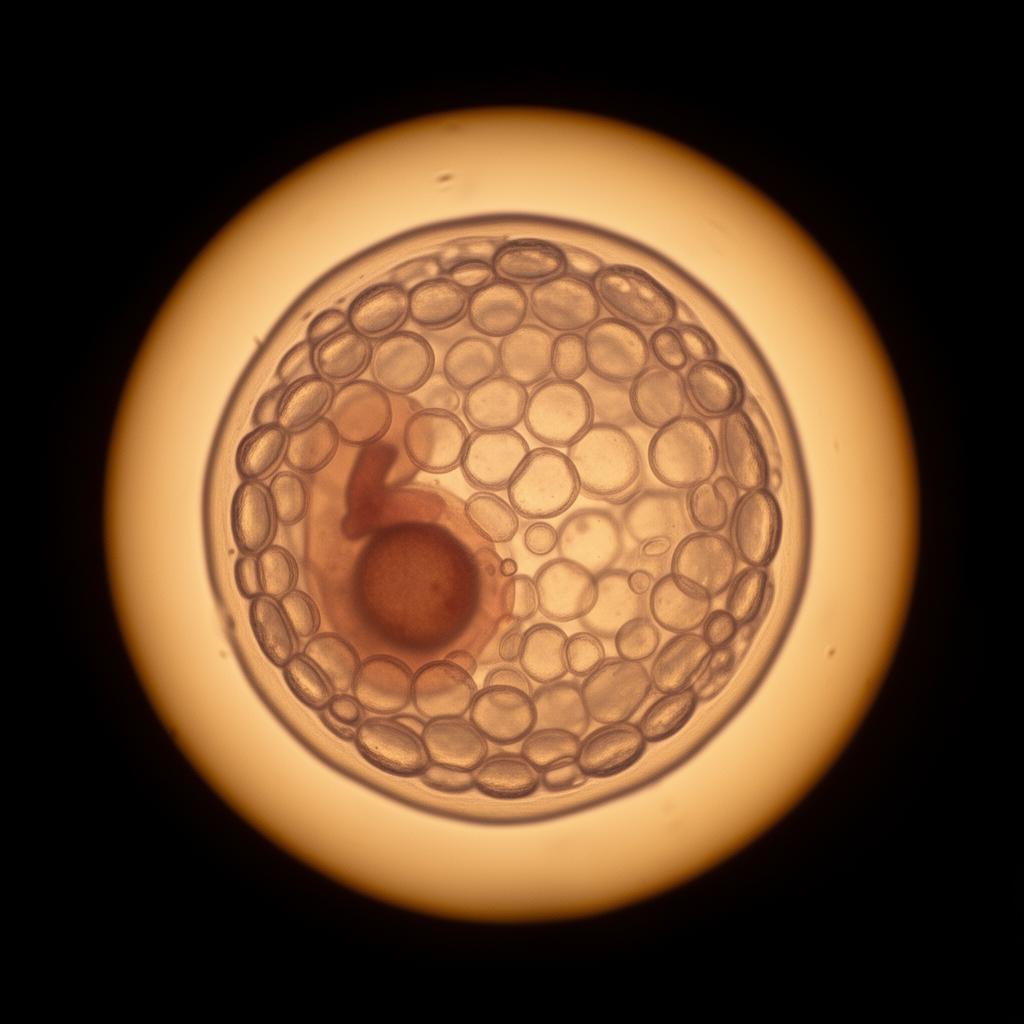
The next 3-5 days are a period of anxious waiting for many couples. Our embryologists carefully monitor the developing embryos. We look for signs of fertilisation the day after retrieval, and then track their development through various stages: cleavage-stage embryos (2-4 days post-fertilisation) to blastocysts (5-6 days post-fertilisation). Not all fertilised eggs will develop into viable embryos, and this is a natural selection process. I will provide regular updates on your embryo development, which can feel like a rollercoaster of emotions. Blastocyst culture is generally preferred as it allows for better selection of the most robust embryos for transfer.
05Week 4: Embryo Transfer – The Moment of Hope
Once the embryos have reached the desired stage, typically on Day 3 or Day 5 (blastocyst stage), we proceed with embryo transfer. This is a relatively simple and painless procedure, usually performed without anaesthesia. I use a very fine, flexible catheter to gently place the selected embryo(s) into your uterus, guided by ultrasound. The number of embryos transferred is carefully decided based on your age, embryo quality, and previous IVF history, always adhering to the ART Act 2021 guidelines which generally recommend transferring one or two embryos to minimise the risks of multiple pregnancies.
After the transfer, you'll rest for a short while, and then you can typically resume light daily activities. This is also when we start luteal phase support, usually with progesterone medication, to help prepare your uterine lining for implantation. This period, often called the 'two-week wait', is perhaps the most emotionally challenging part of the entire IVF cycle. I always advise my patients to avoid strenuous activities but also to try and maintain a calm and positive mindset. Overthinking every sensation can be exhausting.
06Post-Transfer and Pregnancy Test – The Verdict
Approximately 10-14 days after the embryo transfer, we perform a blood test to measure your hCG (Human Chorionic Gonadotropin) levels – this is the definitive pregnancy test. A positive result brings immense joy, while a negative one can be heartbreaking. Regardless of the outcome, my team and I are here to support you through every step. If the test is positive, we will schedule an early ultrasound scan to confirm clinical pregnancy and the presence of a fetal heartbeat.
If the cycle is unsuccessful, we will have a detailed consultation to discuss what we learned, explore potential reasons for the outcome, and plan the next steps, whether it's considering a frozen embryo transfer from any remaining embryos, or planning a fresh cycle with protocol adjustments. Remember, an IVF journey is often not a straight path, and perseverance can be key.
Understanding each phase of an IVF cycle can help you feel more in control and less anxious about the process. While the journey is medically complex, my team and I at Apollo Fertility are dedicated to making it as transparent and supportive as possible for every couple walking through our doors in Hyderabad. We are here to guide you, offering both advanced medical care and compassionate support.
Want a personalised plan based on your reports?
Consult Dr. Sana by video from home — anywhere in India or abroad. Share your reports in advance and receive a written plan. No referral required.
Sources
- Indian Council of Medical Research — National ART Guidelines and the ART (Regulation) Act, 2021
- ESHRE — European Society of Human Reproduction and Embryology, clinical practice guidelines
- NICE CG156 — Fertility problems: assessment and treatment
- Royal College of Obstetricians and Gynaecologists — patient information and guidelines