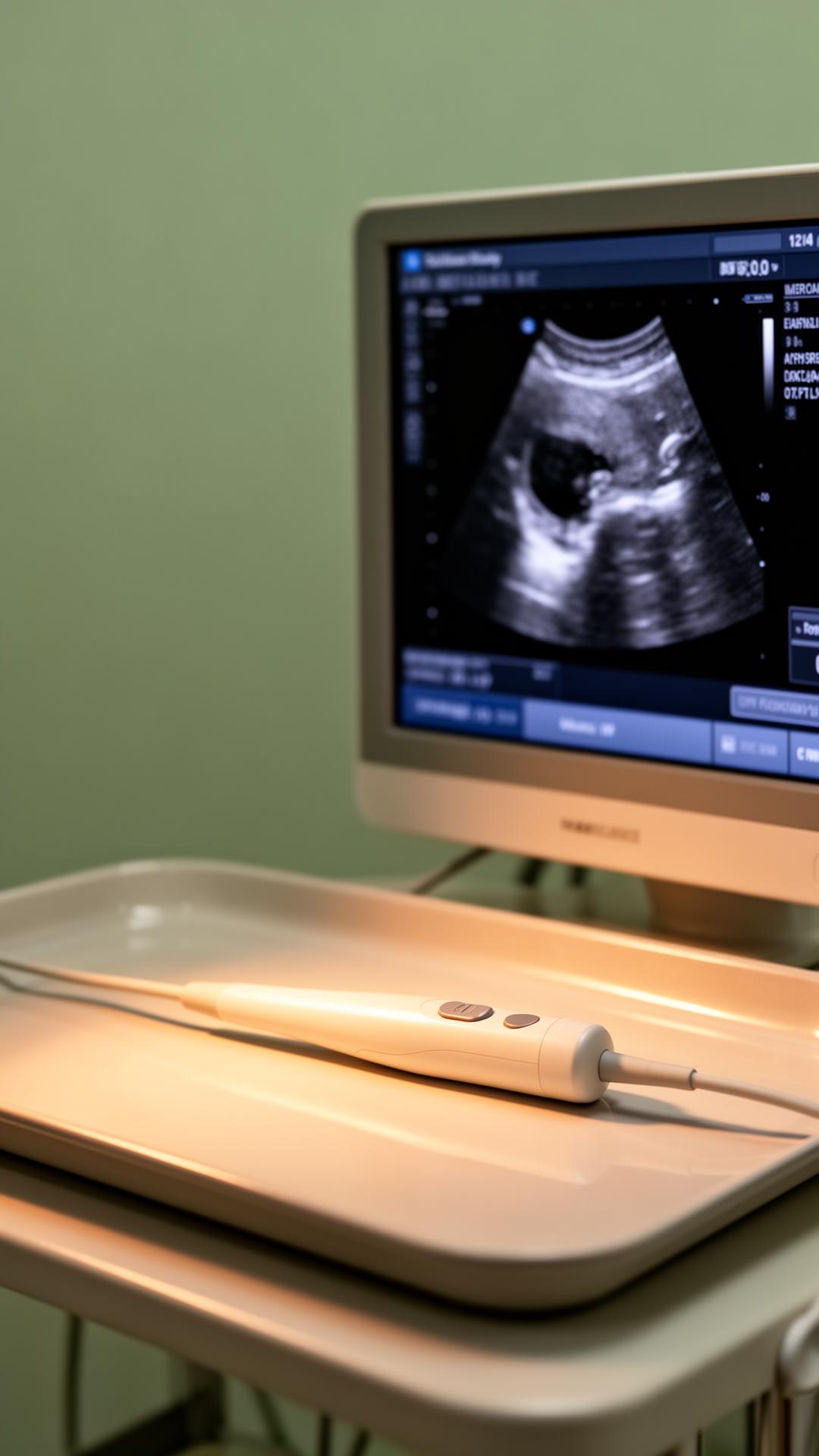

Endometriosis is a condition I frequently encounter in my practice at Apollo Fertility, Hyderabad. It's often shrouded in misunderstanding, especially when it comes to its impact on a woman's ability to conceive. Many patients arrive feeling overwhelmed, wondering whether surgery, IVF, or a combination of both is their best path forward.
01Understanding Endometriosis and its Impact on Fertility
Endometriosis occurs when tissue similar to the lining of the uterus (the endometrium) grows outside the uterus. These endometrial-like implants can be found on the ovaries, fallopian tubes, bladder, bowel, and other pelvic organs. Like the normal uterine lining, these implants respond to hormonal changes during the menstrual cycle, bleeding and causing inflammation, pain, and scarring. This chronic inflammation and scarring can significantly impact fertility.
The mechanisms by which endometriosis impairs fertility are complex and multifactorial. They range from anatomical distortion caused by adhesions and endometriomas (cysts on the ovaries), to altered ovarian function, impaired egg quality, and even changes in the uterine environment that affect embryo implantation. Understanding these varied effects is the first step in formulating a personalised treatment plan for my patients struggling with endometriosis and fertility.
02Diagnosing Endometriosis: More Than Just Symptoms
While symptoms like severe period pain (dysmenorrhea), chronic pelvic pain, pain during intercourse (dyspareunia), and heavy bleeding are common indicators, a definitive diagnosis of endometriosis often requires laparoscopic surgery where biopsies can be taken. However, for fertility patients, we often proceed with presumptive treatment based on strong clinical suspicion and imaging findings such as ultrasound, particularly if endometriomas are present. A transvaginal ultrasound is usually my first investigative tool; a skilled sonographer can identify endometriomas and deep infiltrating endometriosis in many cases.
The stage of endometriosis, from minimal (Stage I) to severe (Stage IV), is typically determined during surgery based on the size and location of implants, adhesions, and presence of endometriomas. However, it's crucial to remember that the stage of endometriosis doesn't always correlate with the severity of symptoms or the degree of fertility impairment. Some women with severe disease might have minimal pain, while others with mild endometriosis experience debilitating pain and significant fertility challenges.
03When is Surgery Recommended for Endometriosis-Related Infertility?
Surgery for endometriosis aims to remove the endometrial implants, adhesions, and endometriomas, thereby restoring normal anatomy and reducing pain. For fertility patients, the primary goal is to improve the chances of natural conception or to optimise the success rates of assisted reproductive technologies (ART) like IVF. However, the decision to operate is nuanced and must be carefully weighed against potential risks and benefits.
I typically consider surgery in specific scenarios:
- To remove large endometriomas (often >4-5 cm) that might be affecting ovarian reserve or access for IVF egg retrieval.
- To excise deep infiltrating endometriosis causing severe pain or bowel/bladder obstruction.
- To clear adhesions that are distorting pelvic anatomy, especially if fallopian tubes are blocked or severely twisted.
- For patients with minimal to mild endometriosis who have been trying to conceive for an extended period (typically >2 years) without success, and other causes of infertility have been ruled out. Here, laparoscopic excision can improve natural conception rates for up to 1-2 years post-surgery.
It's important to understand that ovarian surgery, especially for endometriomas, carries a risk of reducing ovarian reserve. This is because normal ovarian tissue can be inadvertently removed or damaged during the procedure. For this reason, I am very cautious about repeated surgeries on the ovaries. The impact on ovarian reserve needs to be thoroughly discussed, particularly for older patients or those with already low AMH levels. If surgery is performed, it should be done by an experienced gynaecological surgeon who specialises in endometriosis to minimise damage to healthy ovarian tissue.
04The Role of IVF in Endometriosis-Related Infertility
In Vitro Fertilisation (IVF) offers an excellent pathway to parenthood for many women with endometriosis. IVF bypasses several of the problems caused by endometriosis, such as blocked fallopian tubes, impaired egg transport, and issues with fertilisation within the body. In an IVF cycle, eggs are retrieved directly from the ovaries, fertilised with sperm in the laboratory, and then the resulting embryos are transferred into the uterus.
IVF is often the primary recommendation in these situations:
- When fallopian tubes are severely damaged or blocked due to endometriosis.
- For patients with moderate to severe endometriosis, especially if there are significant adhesions or endometriomas.
- If ovarian reserve is already low, making natural conception or repeated surgeries less viable.
- For older patients, where time is a critical factor, and we want to achieve pregnancy as efficiently as possible.
- After failed attempts at natural conception following endometriosis surgery.
While endometriosis can pose challenges for IVF, such as potentially lower ovarian response to stimulation or reduced egg quality, success rates are generally very good. Pre-treatment with GnRH agonists for 3-6 months before IVF, known as 'down-regulation', can sometimes improve pregnancy rates, particularly for women with recurrent endometriomas or previous IVF failures. This helps to quieten the endometrial implants and create a more receptive uterine environment. However, this strategy is not universally adopted and needs to be tailored to individual cases.
05Weighing the Options: Surgery, IVF, or Both?
The decision between surgery, IVF, or a combination is highly individualised and depends on several critical factors:
- Age — Younger patients (under 35) with mild endometriosis might try natural conception after surgery for a limited period (6-12 months). For older patients, or those with very low ovarian reserve, I often recommend proceeding directly to IVF.
- Symptoms — If pain is the predominant symptom and significantly impacts quality of life, surgery to excise the endometriosis might be prioritised, potentially followed by fertility treatment.
- Endometriosis Stage and Location — Small, superficial implants might not warrant surgery for fertility purposes alone. Large endometriomas (especially >4-5 cm) or those making egg retrieval difficult may suggest surgery first. Deep infiltrating endometriosis causing anatomical distortion or organ dysfunction often requires surgical intervention.
- Ovarian Reserve (AMH levels) — This is a crucial indicator. If AMH is already low, any ovarian surgery is a serious consideration, and IVF might be the safer and more effective first-line approach to preserve existing eggs.
- Previous Treatments and Patient Preference — We always consider what treatments a patient has undergone previously and their personal wishes and values.
In some cases, a 'pre-IVF' surgery might be considered if significant anatomical distortions from endometriosis are expected to impede egg retrieval or embryo transfer. However, this is done judiciously to minimise any negative impact on ovarian reserve. For instance, removing a large endometrioma that obscures the ovary might be beneficial before IVF to ensure a successful egg collection.
06Cost Implications in the Indian Context
For my patients in Hyderabad and across India, cost is an important factor. Laparoscopic surgery for endometriosis, depending on the severity and hospital choice, can range from approximately INR 80,000 to INR 2,50,000. This might be covered by health insurance, depending on the policy. IVF treatment, on the other hand, typically costs between INR 1,20,000 to INR 2,50,000 per cycle, excluding medication and additional procedures like ICSI or embryo freezing, which can add further costs. Medication costs can be substantial, often INR 50,000 to INR 1,00,000 per cycle. These are broad ranges, and I always provide a detailed breakdown during consultation. The choice of treatment also depends on what maximises the chance of success while being mindful of the financial implications for the couple.
07Lifestyle and Holistic Approaches
While surgery and IVF are medical interventions, I always emphasise the importance of a healthy lifestyle for my patients with endometriosis. A balanced diet rich in anti-inflammatory foods, regular moderate exercise, stress management techniques like yoga or meditation, and adequate sleep can all contribute to overall well-being and potentially help manage symptoms. While these won't 'cure' endometriosis or reverse infertility, they can create a more favourable environment for treatment success and improve quality of life. Some of my patients find relief through dietary changes, reducing processed foods, red meat, and increasing fruits, vegetables, and omega-3 fatty acids.
The journey through endometriosis and fertility challenges can be daunting, but with personalised care and an evidence-based approach, successful outcomes are very much within reach. My focus is always on creating a treatment plan that addresses both the physical and emotional aspects of this condition, guiding my patients towards their dream of parenthood.
Want a personalised plan based on your reports?
Consult Dr. Sana by video from home — anywhere in India or abroad. Share your reports in advance and receive a written plan. No referral required.
Sources
- Indian Council of Medical Research — National ART Guidelines and the ART (Regulation) Act, 2021
- ESHRE — European Society of Human Reproduction and Embryology, clinical practice guidelines
- NICE CG156 — Fertility problems: assessment and treatment
- Royal College of Obstetricians and Gynaecologists — patient information and guidelines