As a fertility specialist, one of the most frequent concerns I address in my clinic here in Kondapur is Polycystic Ovary Syndrome, or PCOS. It’s a condition that affects a significant proportion of women of reproductive age in India, and while its diagnosis can initially feel overwhelming, I always assure my patients that when it comes to fertility, PCOS is often one of the most treatable causes of anovulatory infertility.
01Understanding PCOS and Its Impact on Fertility
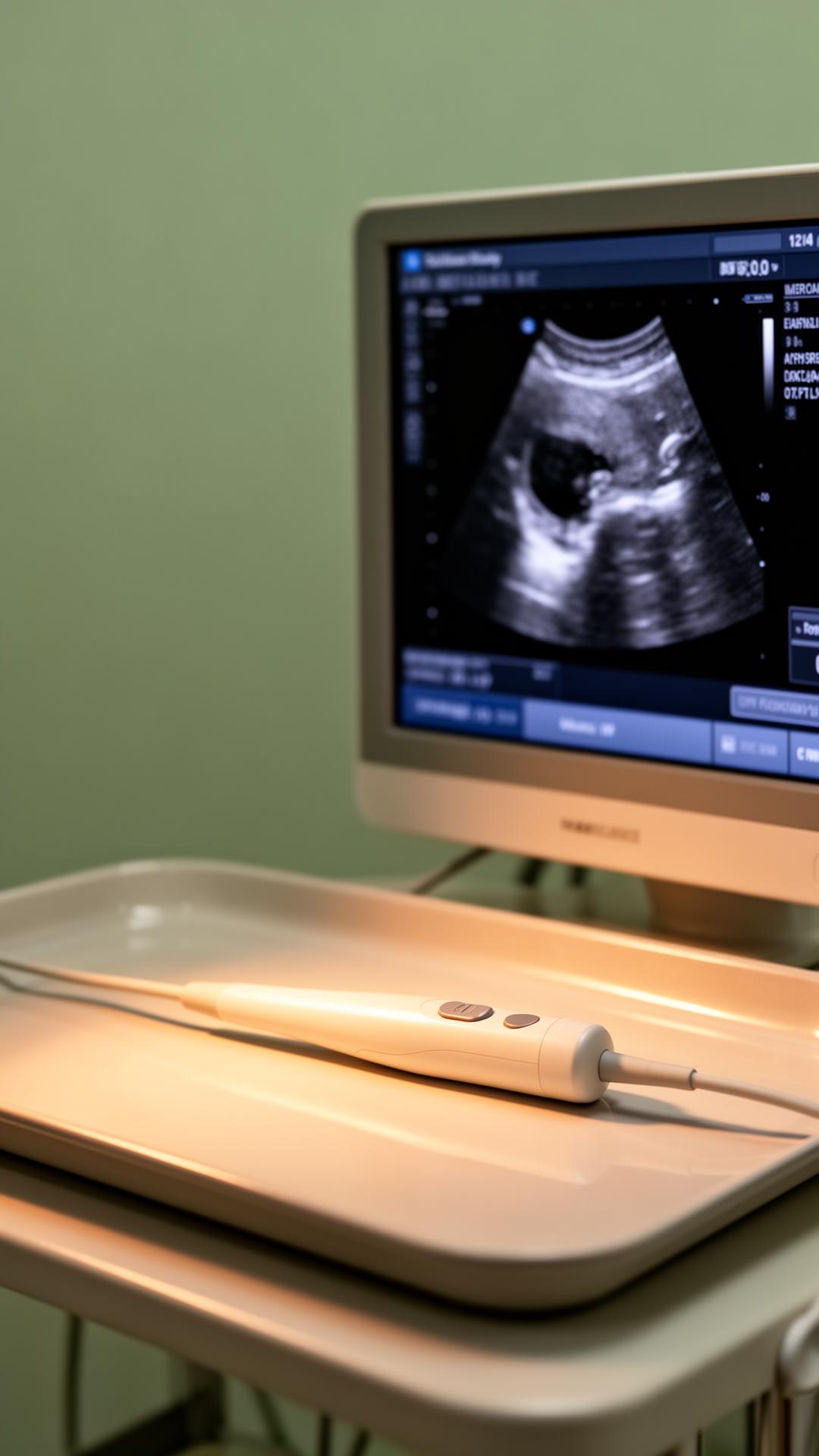
PCOS is a complex endocrine disorder characterised by a combination of symptoms, primarily irregular periods (due to lack of or infrequent ovulation), elevated androgen levels (leading to symptoms like excess facial/body hair or acne), and polycystic ovaries seen on ultrasound. It's not just about cysts; the name can be a bit misleading. The 'cysts' are actually multiple small follicles, usually 2-9mm in size, that fail to mature and release an egg each month, leading to the anovulation that impacts fertility. For a diagnosis, we generally follow the Rotterdam criteria, meaning you'd typically need two out of these three: irregular or absent periods, clinical or biochemical signs of high androgens, and polycystic ovaries on ultrasound.
While the exact cause of PCOS isn't fully understood, it's believed to be a combination of genetic and environmental factors. Insulin resistance plays a crucial role for many women with PCOS, where the body’s cells don't respond effectively to insulin, leading the pancreas to produce more. This excess insulin can stimulate the ovaries to produce more androgens, further disrupting ovulation and worsening PCOS symptoms. This interplay is why lifestyle modifications are so central to its management, especially when trying to conceive.
02The Realistic Path to Pregnancy with PCOS
The good news is that with a structured, evidence-based approach, the vast majority of women with PCOS can achieve a healthy pregnancy. Our strategy focuses on restoring regular ovulation, optimising overall health, and, if needed, utilising assisted reproductive technologies. It's a journey that requires patience and commitment, but the outcomes are very encouraging.
My approach is always tailored, considering each patient's unique presentation, age, duration of infertility, and previous treatments. We begin with the least invasive, most natural methods and progress only if necessary. This phased approach maximises your chances while minimising unnecessary interventions and stress.
03Pillar 1: Lifestyle Modifications — Your Foundation
This is often the most challenging yet profoundly impactful step, and it’s where many of my patients see significant improvements. Lifestyle changes can improve insulin sensitivity, reduce androgen levels, and often restore regular ovulation without medication. It’s not about quick fixes but sustainable changes.
- Dietary Changes — We focus on a low glycaemic index (GI) diet, which helps manage insulin levels. This means prioritising whole grains, lean proteins, healthy fats, and plenty of fruits and vegetables. Reducing refined carbohydrates, sugary drinks, and highly processed foods is key. For example, instead of white rice, opting for brown rice, millets like jowar or bajra, or whole wheat roti can make a big difference. Portion control is also vital, especially for carbohydrate-rich foods common in Indian diets. A dietitian can be an invaluable partner here, helping you create a sustainable meal plan that fits your cultural preferences.
- Regular Exercise — Aim for at least 150 minutes of moderate-intensity exercise per week, such as brisk walking, cycling, or yoga. Exercise improves insulin sensitivity and helps with weight management. Even 30 minutes of walking most days of the week can have a noticeable effect.
- Weight Management — Even a modest weight loss of 5-10% of your body weight can significantly improve ovulation rates, menstrual regularity, and pregnancy chances. This isn't just about appearance; it's about reducing the metabolic burden on your body.
- Stress Management — Chronic stress can exacerbate hormonal imbalances. Incorporating practices like meditation, mindfulness, or hobbies you enjoy can be beneficial. I often see patients who, once they address their stress, find their cycles becoming more predictable.
These lifestyle changes are not just pre-conception strategies; they form the bedrock for a healthier pregnancy and reduced risks of complications like gestational diabetes.
04Pillar 2: Oral Ovulation Induction
If lifestyle modifications alone don't lead to regular ovulation, or if time is a factor, we move on to oral medications. These are designed to stimulate your ovaries to produce and release an egg.
- Letrozole — This is my first-line drug of choice for ovulation induction in women with PCOS. It works by temporarily lowering oestrogen levels, which signals the brain to increase FSH (follicle-stimulating hormone) production, leading to follicle growth. It has shown superior ovulation and live birth rates compared to clomiphene citrate in PCOS, with a lower risk of multiple pregnancies. The cost per cycle in India for the medication itself is typically in the range of INR 500-1500.
- Clomiphene Citrate (Clomid) — While once the gold standard, letrozole is now preferred. Clomiphene works similarly by blocking oestrogen receptors, thereby increasing FSH. However, it can sometimes have anti-oestrogenic effects on the uterine lining or cervical mucus, which might slightly reduce conception chances for some. The medication cost is similar to letrozole.
With either of these medications, we meticulously monitor your response using ultrasound scans, often starting from day 10-12 of your cycle, to track follicle growth and time intercourse or intrauterine insemination (IUI) effectively. Typically, we might attempt 3-6 cycles of oral ovulation induction before considering other options. The monitoring costs for ultrasound scans and consultations per cycle can range from INR 3,000-8,000.
05Pillar 3: Intrauterine Insemination (IUI)
If ovulation induction with timed intercourse hasn't been successful after a few cycles, or if there are additional factors like mild male factor infertility, we might consider IUI. This procedure involves placing specially prepared sperm directly into the uterus around the time of ovulation, increasing the chances of sperm meeting the egg.
IUI is often performed in conjunction with oral ovulation induction or sometimes with injectable gonadotropins for ovarian stimulation. It's a less invasive and less expensive option compared to IVF. A single cycle of IUI in Hyderabad, including sperm washing and the procedure itself, typically costs between INR 10,000-25,000, excluding medication and monitoring.
06Pillar 4: Injectable Gonadotropins and Ovarian Drilling
For women who don't respond to oral medications (a condition known as clomiphene or letrozole resistance), we might consider injectable gonadotropins. These hormones directly stimulate the ovaries to produce multiple follicles. This approach requires very close monitoring to prevent ovarian hyperstimulation syndrome (OHSS) and multiple pregnancies.
Another option for clomiphene-resistant PCOS is laparoscopic ovarian drilling (LOD). This surgical procedure involves making small perforations in the surface of the ovaries to reduce androgen production, which can often restore ovulation. It's a minimally invasive surgery performed under general anaesthesia and can be a good choice for some, offering the benefit of potentially resuming natural ovulation for several months to years without daily medication. The cost of LOD can vary significantly but generally ranges from INR 60,000-1,50,000.
07Pillar 5: In Vitro Fertilisation (IVF)
If other treatments haven't resulted in pregnancy, or if there are co-existing fertility issues (such as blocked fallopian tubes or significant male factor infertility), In Vitro Fertilisation (IVF) becomes the most effective option. IVF involves stimulating the ovaries to produce multiple eggs, retrieving them, fertilising them with sperm in the lab, and then transferring the resulting embryo(s) back into the uterus.
For women with PCOS, IVF often has excellent success rates because we can usually retrieve a good number of eggs. However, there's a higher risk of OHSS, which we meticulously manage with careful protocols and sometimes by freezing all embryos for a later transfer. A single cycle of IVF in a reputable centre in Hyderabad can range from INR 1,50,000-3,00,000, excluding the cost of medications (which can add another INR 50,000-1,50,000 depending on the protocol) and any additional procedures like ICSI or embryo freezing. Under the ART Act 2021, single embryo transfer is increasingly encouraged to minimise the risks of multiple pregnancies.
08Navigating the Journey: My Advice
Throughout this journey, I encourage my patients to remain proactive and informed. Don't hesitate to ask questions. Maintaining a healthy mindset is crucial. Focus on what you can control – your lifestyle, adherence to treatment, and open communication with your healthcare team. Remember that each step is a building block, and success often comes with persistence.
Want a personalised plan based on your reports?
Consult Dr. Sana by video from home — anywhere in India or abroad. Share your reports in advance and receive a written plan. No referral required.
Sources
- Indian Council of Medical Research — National ART Guidelines and the ART (Regulation) Act, 2021
- ESHRE — European Society of Human Reproduction and Embryology, clinical practice guidelines
- NICE CG156 — Fertility problems: assessment and treatment
- Royal College of Obstetricians and Gynaecologists — patient information and guidelines