Endometriosis can make the journey towards pregnancy feel uncertain, especially when you are managing painful periods, discomfort during intimacy, or the frustration of unexplained delays. Endometriosis fertility treatment is not a single procedure or a fixed sequence of steps. In my practice, I begin by understanding how the condition affects your body, your ovarian reserve, and your priorities, then build a plan that balances fertility goals with pain relief and wellbeing.
Endometriosis does not automatically mean infertility. Some women conceive without assistance; others benefit from surgery, assisted reproduction, or a combination. The key is choosing the right intervention at the right time, rather than assuming that every cyst needs removal or every patient needs IVF.
How endometriosis can affect conception
Endometriosis occurs when tissue similar to the lining of the uterus grows outside it, commonly around the ovaries, fallopian tubes, or pelvic lining. It can trigger inflammation and scar tissue, called adhesions, which may interfere with the normal relationship between the ovaries and tubes.
Several barriers may contribute to difficulty conceiving: - Adhesions can make it harder for an egg to enter the fallopian tube. - Endometriomas, or endometriosis-related ovarian cysts, may affect ovarian tissue and complicate treatment. - Inflammation may influence egg function, fertilisation, and the environment in which conception occurs. - Pain during intercourse can reduce opportunities for conception and affect emotional wellbeing.
However, symptoms do not reliably indicate disease severity or fertility potential. Severe pain can occur with limited visible disease, while extensive endometriosis may cause few symptoms. I therefore avoid making fertility predictions from pain levels or a scan alone.
Adenomyosis, a related but distinct condition in which tissue similar to the uterine lining grows within the uterine muscle, can coexist with endometriosis. Recognising it may influence treatment planning.
Building a personalised fertility assessment
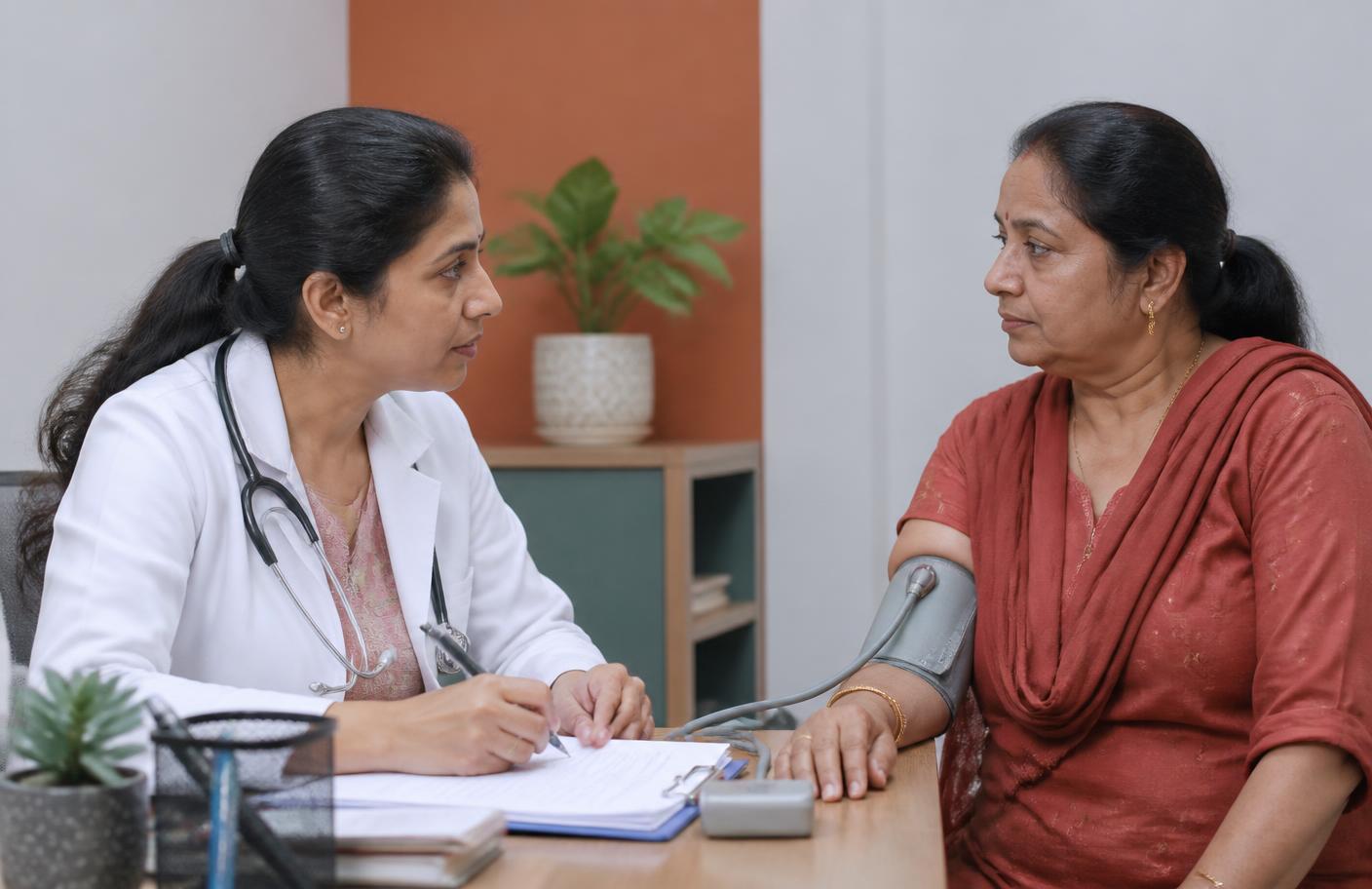
My first consultation looks beyond the diagnosis. I consider your age, how long you have been trying, menstrual pattern, previous pregnancies, past surgery, pain, and family-building goals. If endometriosis is known or suspected, earlier fertility assessment can be sensible rather than waiting through prolonged unsuccessful attempts.
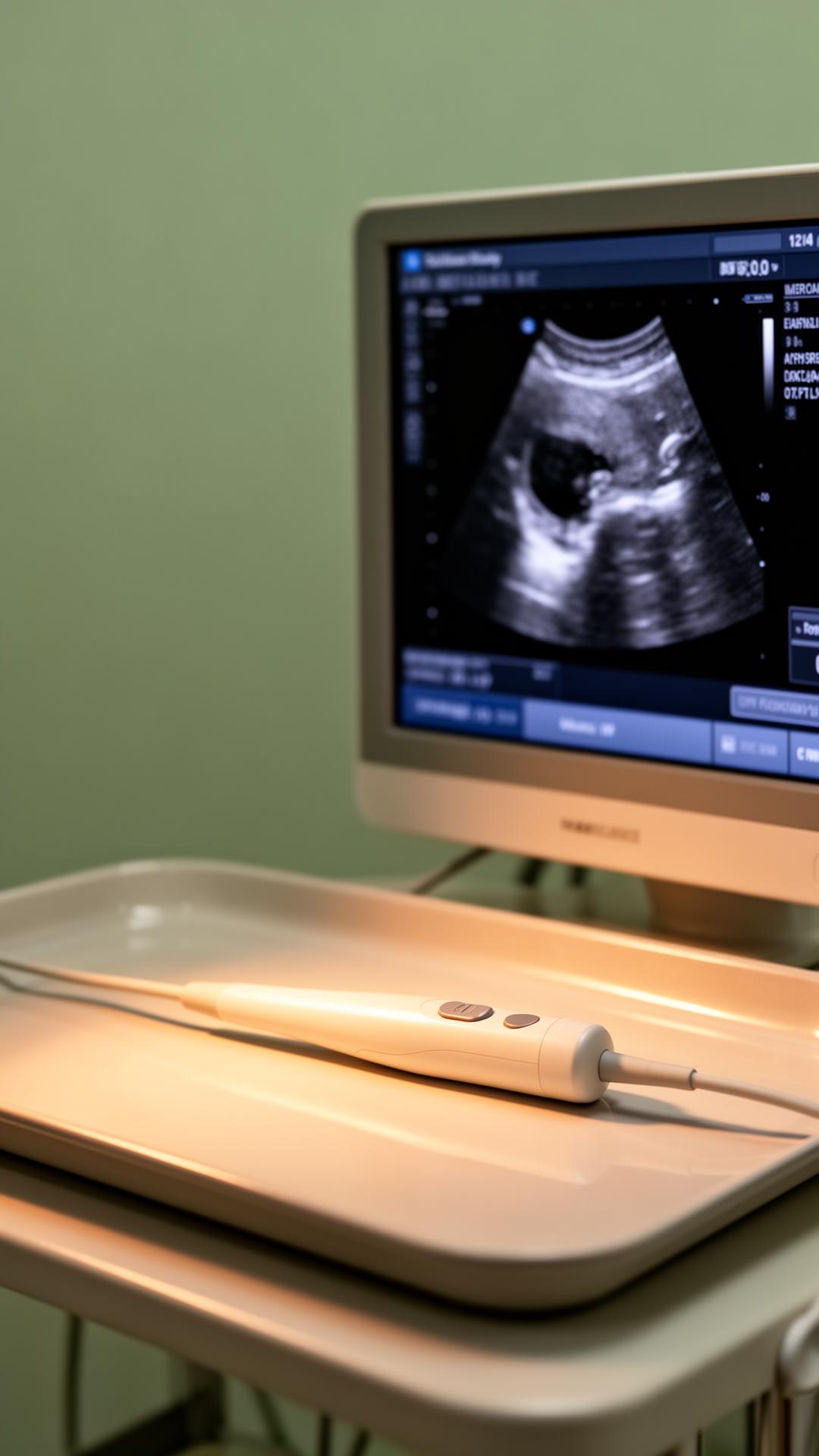
A transvaginal ultrasound helps assess the ovaries, endometriomas, uterus, and signs of deeper disease. Where relevant, I use 3D scans to clarify uterine anatomy. Specialist ultrasound or MRI may be needed to map deep endometriosis, particularly when bowel or bladder involvement is suspected. A normal scan does not exclude superficial endometriosis.
I also assess ovarian reserve: the estimated remaining pool of eggs. AMH, or anti-Müllerian hormone, is a blood marker used alongside an antral follicle count, which counts small follicles on ultrasound. These tests help anticipate the response to ovarian stimulation; they do not directly measure egg quality or determine whether natural conception is possible.
Depending on your history, assessment may include: - Testing whether the fallopian tubes are open. - Checking ovulation and relevant medical conditions. - Semen analysis for your partner, so male factors are not overlooked. - Reviewing previous operation notes and fertility treatment records.
Laparoscopy, or keyhole surgery, is not required for every diagnosis or before every fertility treatment. I recommend it when the likely benefits justify its risks.
Choosing between surgery and assisted reproduction
The best route depends on the whole picture. For someone younger, with reassuring reserve, open tubes, and no significant sperm concerns, a time-limited attempt at natural conception may be reasonable. In selected cases, intrauterine insemination, or IUI, places prepared sperm inside the uterus around ovulation, sometimes alongside ovarian stimulation.
Surgery can help selected patients, particularly when pain is significant, anatomy is distorted, or a cyst has concerning features. Treating mild endometriosis surgically may improve spontaneous conception chances for some women. However, fertility benefits from surgery for deep disease are less certain and require individual discussion.
Ovarian cyst surgery deserves special care. Removing an endometrioma can also remove or damage healthy ovarian tissue, potentially reducing ovarian reserve. This matters particularly with cysts on both ovaries, low reserve, or previous operations. Routine endometrioma removal before IVF is not recommended solely to improve live-birth prospects.
IVF, or in vitro fertilisation, involves collecting eggs and fertilising them in the laboratory before transferring an embryo into the uterus. It may be appropriate when tubes are affected, time is important, reserve is reduced, sperm factors coexist, or earlier approaches have not worked.
Hormonal treatments can control endometriosis symptoms, but generally prevent conception while being taken. They are not prescribed simply to improve natural pregnancy rates. Prolonged hormonal suppression before IVF is not automatically beneficial either; I discuss uncertainty and potential delays before recommending it.
Advanced strategies with whole-person support
Advanced care means selecting useful interventions, not adding every available test. I individualise ovarian stimulation and coordinate with the embryology team, with attention to egg collection planning when endometriomas are present.
ICSI, or intracytoplasmic sperm injection, involves injecting one sperm into an egg. It can be useful for significant sperm problems or previous fertilisation difficulties, but endometriosis alone does not make it necessary. Similarly, PGT-A, which screens embryos for chromosome-number abnormalities, is not a routine solution for endometriosis and cannot guarantee implantation.
When extensive ovarian disease or planned surgery could threaten reserve, I discuss whether freezing eggs or embryos is appropriate. Preservation offers possibilities, not insurance, and its value depends on age, reserve, timing, and individual circumstances.
My preconception programme supports this medical plan through nutrition, movement, sleep, and emotional care. I encourage balanced meals, adequate protein, iron assessment when bleeding is heavy, and appropriate folic acid advice. No particular diet has been proven to cure endometriosis or guarantee conception.
Gentle yoga, breathing exercises, counselling, and pelvic-floor physiotherapy may help manage stress or pain. I approach naturopathy cautiously: any complementary measure should be checked for safety, and herbs or supplements must not interfere with fertility medicines or delay effective treatment. This is my 360-degree approach—supporting the person while treating the disease.
Key takeaways
Endometriosis fertility treatment works best as a personalised, time-sensitive plan rather than a universal protocol. I consider age, ovarian reserve, tubal health, sperm factors, pain, and previous surgery together before recommending natural attempts, surgery, IUI, or IVF. Avoiding unnecessary ovarian surgery and unproven add-ons can be as important as choosing an advanced intervention. Alongside evidence-based treatment, nutrition, appropriate movement, and mind-body support can make the journey more manageable. My aim is to help you understand your options, protect your wellbeing, and optimise your chances without promising an outcome.
To schedule your personalized consultation with Dr. Munawwer Sana at Apollo Fertility in Kondapur, Hyderabad, or to arrange an online telehealth video consultation, click here to book your appointment.
Want a personalised plan based on your reports?
Book an online consultation with Dr. Sana, or see her at Apollo Fertility, Kondapur (Mon, Tue, Wed, Thu & Sat, 1:00 PM – 6:00 PM). No referral required.
References & clinical guidelines
- Indian Council of Medical Research — National ART Guidelines and the ART (Regulation) Act, 2021
- ESHRE — European Society of Human Reproduction and Embryology, clinical practice guidelines
- NICE CG156 — Fertility problems: assessment and treatment
- Royal College of Obstetricians and Gynaecologists — patient information and guidelines