“You have PCOS” can sound like “you will struggle to become a mother”. They are not the same statement. Polycystic ovary syndrome (PCOS) can make ovulation unpredictable, but it does not mean pregnancy is impossible or that everyone needs IVF. What matters is understanding how PCOS affects your body and choosing treatment that fits your circumstances.
In my practice, a PCOS fertility care plan brings together reproductive medicine, metabolic health, nutrition, movement and emotional wellbeing. My 360-degree approach is not about adding endless tests or supplements. It is about identifying what may be holding conception back, supporting your health and moving treatment forward without unnecessary delay.
Understanding PCOS and your fertility
PCOS is a hormonal and metabolic condition. Some women have infrequent periods, acne or increased facial hair; others discover it only when trying to conceive. It occurs across body sizes, so appearance alone cannot tell me whether someone has PCOS or how it is affecting them.
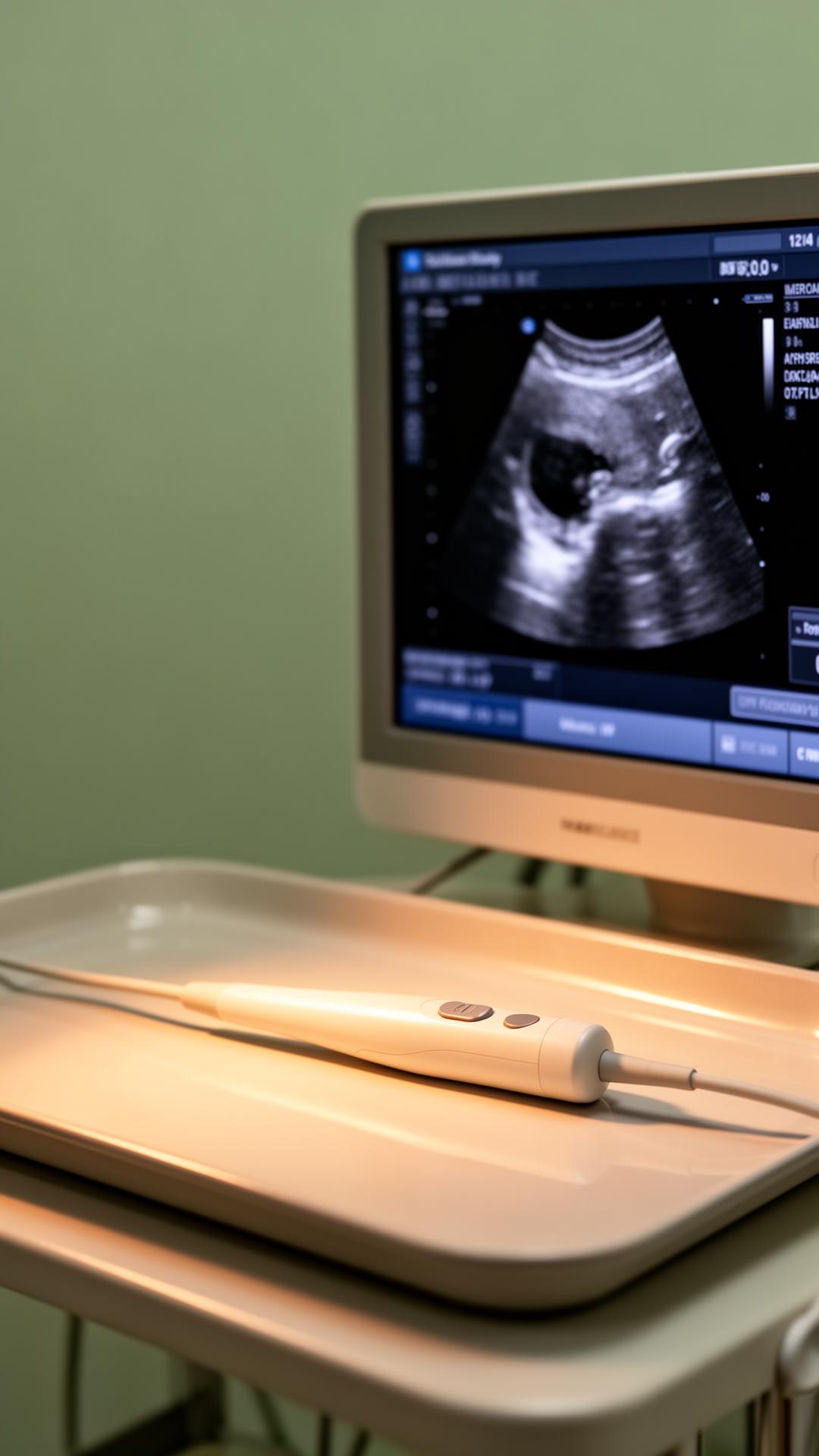
The main fertility challenge is often irregular ovulation: the ovary may not release an egg every month. The small follicles seen on an ultrasound are developing egg-containing structures, not dangerous cysts. A scan showing “polycystic ovaries” does not, by itself, establish the diagnosis.
In adults, diagnosis usually rests on a combination of irregular ovulation, signs or blood-test evidence of higher androgen levels, and polycystic ovarian features, after excluding other causes. Androgens are hormones present in everyone that can contribute to acne and excess hair when elevated.
I also consider insulin resistance, where the body responds less effectively to insulin, the hormone that controls blood sugar. This can influence ovarian hormone production. However, not every woman with PCOS has insulin resistance, and not every fertility difficulty is caused by PCOS.
Building a personalised assessment
Before recommending treatment, I ask about cycle patterns, previous pregnancies, medicines, sleep, eating habits and how long you have been trying. Age matters because egg quality changes over time, even when the ovaries contain many follicles. With absent or very irregular periods, it is sensible to seek assessment rather than wait for a full year.
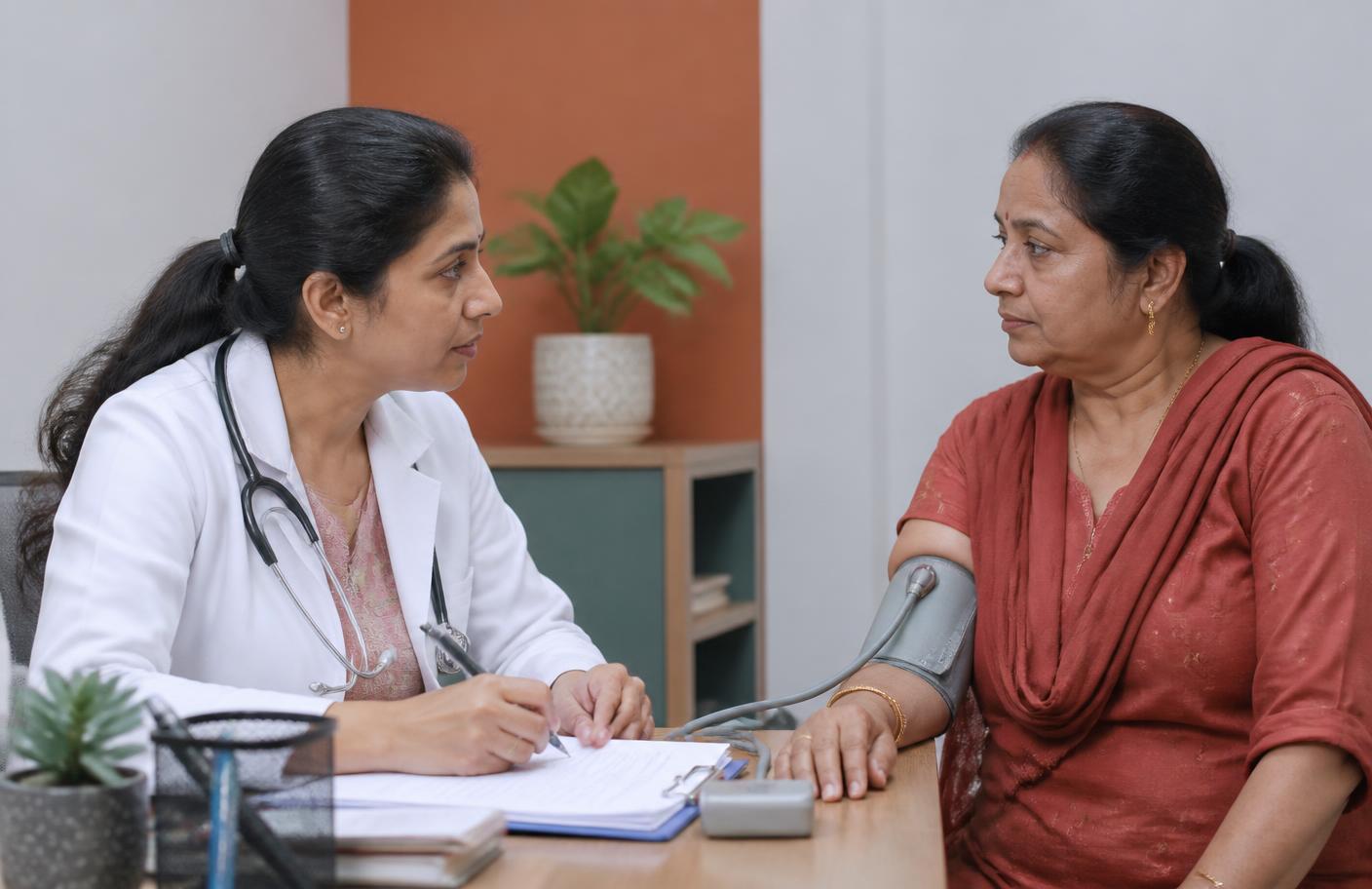
My assessment may include: - Hormone tests to explore irregular cycles and exclude conditions such as thyroid dysfunction or raised prolactin. - Blood pressure, glucose testing and cholesterol assessment to understand metabolic and pregnancy-related risks. - Pelvic ultrasound to assess the ovaries and uterus; a 3D scan when a specific question about uterine structure needs clarification. - A semen analysis for the male partner, because fertility is a shared assessment. - A test of whether the fallopian tubes are open, when appropriate to the history and proposed treatment.
AMH, or anti-Müllerian hormone, helps estimate the number of small follicles and predict response to fertility medicines. It is often raised in PCOS, but it does not measure egg quality or guarantee conception. I interpret it alongside age, symptoms and ultrasound findings.
My preconception programme also reviews folic acid needs, vaccination status, existing conditions and medicines that may be unsuitable during pregnancy. If periods are absent for long stretches, I address protection of the womb lining while planning fertility treatment.
Supporting fertility through everyday health
Lifestyle support should feel practical, not punitive. I do not make weight loss a condition for receiving compassionate fertility care. Where excess weight is contributing to metabolic difficulties, sustainable changes may support ovulation and pregnancy health. For women at a lower weight, adequate nourishment and metabolic assessment remain important.
I encourage balanced meals with vegetables, protein, fibre-rich carbohydrates and healthy fats. Indian foods can fit comfortably: dal, beans, curd, eggs, fish, vegetables and appropriately portioned rice or roti can all belong in a nourishing pattern. There is no universal need to stop carbohydrates, dairy or gluten because of PCOS.
Regular movement supports insulin sensitivity, cardiovascular health and mood. Walking, strength exercises and enjoyable activities are often easier to maintain than an intense programme started under pressure. Sleep also deserves attention, especially if snoring or daytime exhaustion suggests possible sleep apnoea, a condition that repeatedly interrupts breathing during sleep.
Yoga, breathing practices and counselling can help manage distress and make treatment more manageable. They are supportive tools, not proven substitutes for ovulation treatment. I never tell a patient that she needs to “relax” to become pregnant.
Where patients are interested in naturopathy, I discuss approaches individually and prioritise safety. “Natural” products can interact with medicines or be unsuitable around conception. Evidence for supplements such as inositol in fertility treatment remains uncertain. I avoid detoxes, restrictive diets and claims that herbs can cure PCOS.
Choosing treatment and reviewing progress
If ovulation is the main barrier, I usually discuss medicines that encourage egg release. Letrozole is commonly recommended as first-line treatment for anovulatory infertility in PCOS when there are no other fertility factors. The choice still depends on individual assessment, contraindications and informed discussion.
Monitoring may involve ultrasound to check follicle growth and guide timing. It helps assess response and reduce risks such as multiple pregnancy. Metformin, a medicine that improves the body’s response to insulin, may be appropriate for selected women, particularly for metabolic indications; it is not a compulsory prescription for every patient with PCOS.
If initial treatment does not work, I review the diagnosis, response, sperm findings and tubal status rather than simply repeating the same approach indefinitely. Injectable medicines, intrauterine insemination or IVF may be considered according to the wider picture.
Women with PCOS can respond strongly to ovarian stimulation. During IVF, I individualise protocols to reduce ovarian hyperstimulation syndrome, a complication involving enlarged ovaries and fluid shifts. Careful monitoring, appropriate trigger medicines and sometimes freezing embryos for later transfer can help reduce risk.
At Apollo Fertility, Kondapur, Hyderabad, advanced embryology supports treatment when indicated. I explain additional procedures carefully rather than presenting them as automatic upgrades. Once pregnancy occurs, attention to glucose, blood pressure and general wellbeing remains important.
Key takeaways
My PCOS fertility care plan combines a clear diagnosis, assessment of both partners, preconception preparation and treatment matched to your needs. Nutrition, movement, yoga and mind-body support can strengthen health alongside evidence-based medicine, but they should never become sources of blame or reasons to postpone necessary care. PCOS does not define your fertility journey. My aim is to help you understand your options, optimise your chances safely and feel supported at each decision, without promising an outcome that medicine cannot guarantee.
To schedule your personalized consultation with Dr. Munawwer Sana at Apollo Fertility in Kondapur, Hyderabad, or to arrange an online telehealth video consultation, click here to book your appointment.
Want a personalised plan based on your reports?
Book an online consultation with Dr. Sana, or see her at Apollo Fertility, Kondapur (Mon, Tue, Wed, Thu & Sat, 1:00 PM – 6:00 PM). No referral required.
References & clinical guidelines
- Indian Council of Medical Research — National ART Guidelines and the ART (Regulation) Act, 2021
- ESHRE — European Society of Human Reproduction and Embryology, clinical practice guidelines
- NICE CG156 — Fertility problems: assessment and treatment
- Royal College of Obstetricians and Gynaecologists — patient information and guidelines