Overcoming PCOS: An Evidence-Based, 360° Approach to Fertility
When periods arrive unpredictably, trying for a baby can feel like waiting for a train without a timetable. If you have polycystic ovary syndrome (PCOS), you may wonder whether pregnancy is possible or whether IVF is inevitable. My first message is reassuring: PCOS is a common cause of infertility related to irregular ovulation, but it does not mean you cannot conceive. Effective treatments are available, and care should begin with understanding your individual needs—not assuming you need the most advanced option.
I am Dr. Munawwer Sana, a fertility and menopause specialist at Apollo Fertility, Kondapur, Hyderabad. My approach brings together medical assessment, nutrition, movement and emotional support. This is what I mean by 360 wellness fertility care: treating the person, not just the ovaries, while keeping evidence and safety at the centre.
Understanding PCOS and your fertility
PCOS is a hormonal and metabolic condition that can interfere with ovulation—the release of an egg from an ovary. Some people ovulate infrequently; others may not ovulate for months. Higher androgen levels, sometimes called male-type hormones, can contribute to acne or increased facial hair. Insulin resistance, where the body responds less effectively to insulin, is also common, although it does not affect everyone.
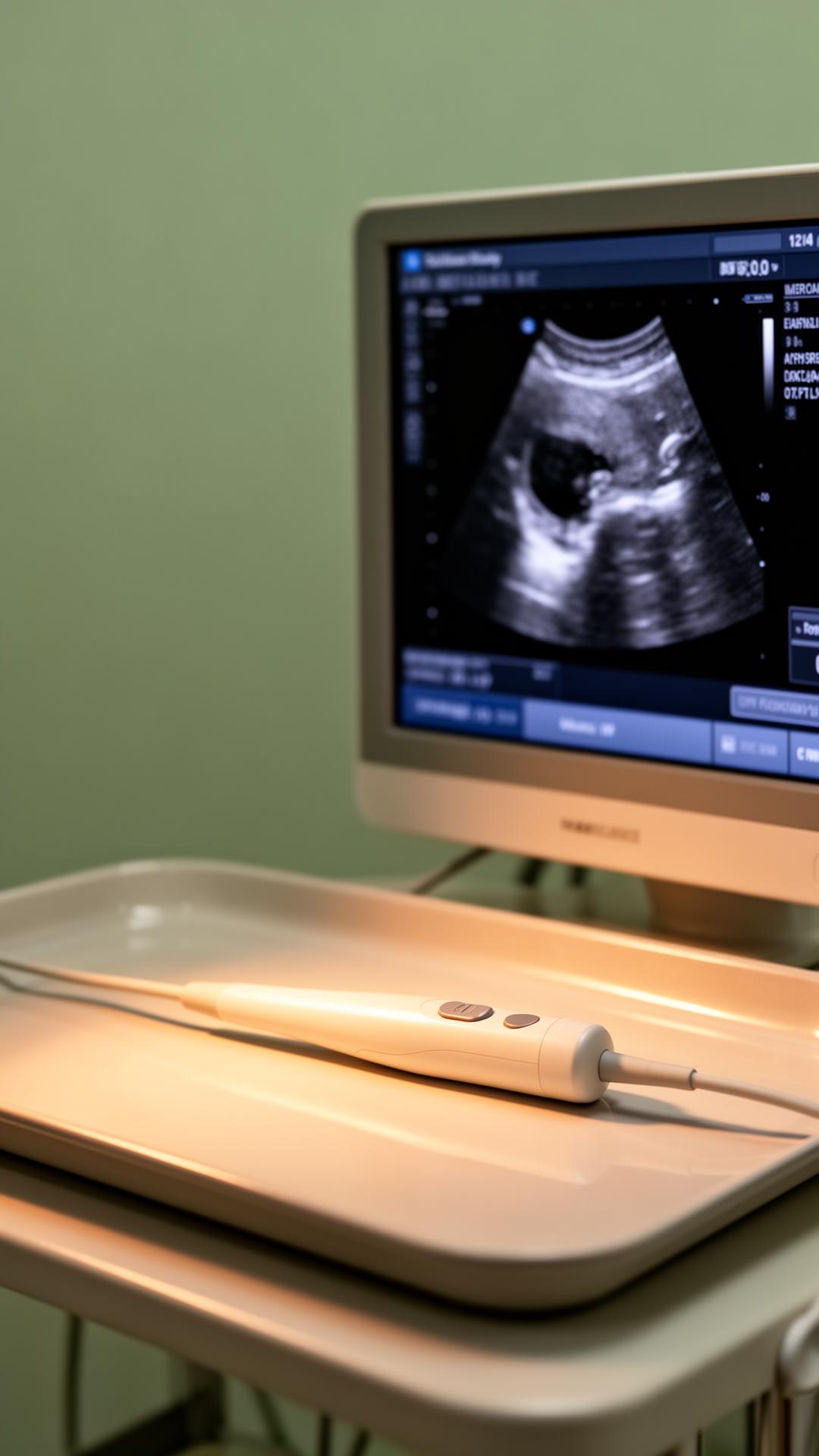
Despite its name, PCOS does not simply mean having ovarian cysts. The small structures seen on ultrasound are usually follicles containing immature eggs. An ultrasound appearance alone does not establish the diagnosis. I review menstrual patterns, symptoms and appropriate tests, while considering other conditions that can cause similar changes.
Fertility assessment must also look beyond PCOS. Age, how long you have been trying, sperm health and whether the fallopian tubes are open all matter. Severe period pain or pain during sex deserves attention too. Someone searching for an Endometriosis fertility specialist may need assessment for endometriosis alongside PCOS; treating one condition should not mean overlooking another.
Building a practical 360° wellness foundation
Lifestyle support is part of treatment, not a test you must pass before receiving help. I encourage a Mediterranean-style eating pattern adapted to Indian kitchens: vegetables, fruit, dal, beans, whole grains, nuts and suitable protein sources. Fish can be included if you eat it. The aim is balanced, sustainable meals—not expensive imported foods, carbohydrate elimination or a restrictive “PCOS detox.”
There is no single diet proven best for everyone with PCOS. Pairing carbohydrates with protein and fibre, choosing less-refined foods more often, and reducing sugary drinks can support metabolic health. A dietitian can adapt this advice to your preferences, budget and medical needs. Food should support your life, rather than become another source of anxiety.
For some people with excess body weight, losing around 5–7% of starting weight may improve ovulation, but this is not a guaranteed result or a requirement for everyone. PCOS also occurs in people at lower weights. I focus on metabolic health and realistic goals, avoiding blame and balancing any weight-management plan against age-related fertility considerations.
Regular movement, strength-building activity and adequate sleep also deserve attention. Fertility yoga can offer gentle movement and relaxation, but it has not been established as a way to restore fertility. Any naturopathic or complementary care must be assessed on its merits: “natural” does not automatically mean safe. Herbal products and supplements may interact with medicines or be unsuitable during pregnancy.
Choosing fertility treatment step by step
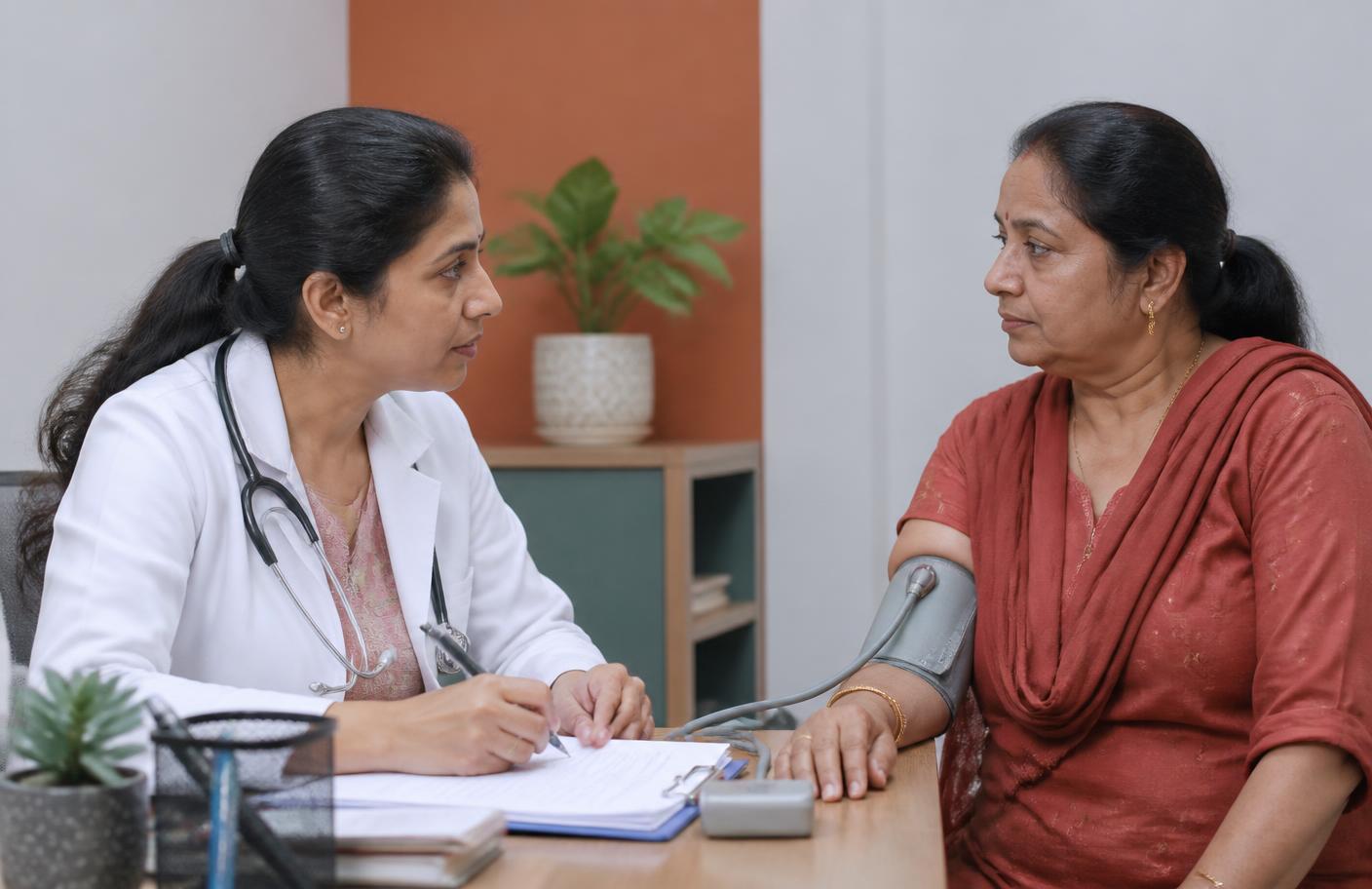
When discussing PCOS fertility treatment India, I encourage patients to look for individualised, guideline-based care rather than a fixed package. Before treatment, I review relevant health concerns, including blood pressure and glucose regulation, and discuss preconception care. This includes folic acid advice, medication safety and any investigations needed for both partners.
If irregular or absent ovulation is the main difficulty and no other infertility factor is identified, ovulation induction is often appropriate. This means using medicine to help an egg develop and be released. Letrozole is generally the recommended first-line medicine for this situation. Treatment requires clinical supervision, with monitoring tailored to the medicine and individual circumstances.
Metformin may be useful for selected patients, particularly when metabolic concerns are present, but it is not a universal fertility solution. If initial treatment does not help, injectable medicines or other options may be considered. These decisions depend on your response, age, other test results and preferences. Some treatments increase the chance of multiple pregnancy, making careful monitoring important.
IVF may be appropriate when simpler treatments have not worked or other fertility factors make it necessary. It is not inevitable for everyone with PCOS. Because PCOS can increase susceptibility to ovarian hyperstimulation syndrome—an excessive response to fertility medicines—I plan treatment with risk reduction in mind. No treatment can guarantee pregnancy, and realistic counselling matters throughout.
Myths and facts
Myth: “PCOS means I will never get pregnant.” Fact: Many people with PCOS conceive naturally or with treatment. However, the outlook varies with age, ovulation and other fertility factors. Reassurance should never become a promise or a reason to postpone assessment when periods are very irregular.
Myth: “Losing weight cures PCOS.” Fact: Weight management can improve symptoms and ovulation for some people, but PCOS is not caused simply by weight. Healthy habits can benefit you even without weight loss, and people of every body size deserve respectful, timely fertility care.
Myth: “Acupuncture, yoga or mindfulness can replace fertility medicines.” Fact: These approaches may help some people manage stress or feel more supported, but reliable evidence that they improve pregnancy or live-birth outcomes is limited. I view complementary therapies as optional support, never substitutes for indicated treatment. Difficulty conceiving is not caused by failing to relax.
Key takeaways
PCOS care works best when we address ovulation, metabolic health, emotional wellbeing and any other fertility factors together. Start with a clear assessment, build sustainable habits and choose treatment according to your needs. Seek advice early if periods are infrequent or absent; you do not need to wait for months of uncertainty before asking for help.
My role is to explain your options clearly and help you make informed decisions without pressure or blame. A compassionate, evidence-based plan can give your fertility journey direction while protecting your wider health.
To schedule your personalized consultation with Dr. Munawwer Sana at Apollo Fertility in Kondapur, Hyderabad, or to arrange an online telehealth video consultation, click here to book your appointment.
Want a personalised plan based on your reports?
Book an online consultation with Dr. Sana, or see her at Apollo Fertility, Kondapur (Mon, Tue, Wed, Thu & Sat, 1:00 PM – 6:00 PM). No referral required.
References & clinical guidelines
- Indian Council of Medical Research — National ART Guidelines and the ART (Regulation) Act, 2021
- ESHRE — European Society of Human Reproduction and Embryology, clinical practice guidelines
- NICE CG156 — Fertility problems: assessment and treatment
- Royal College of Obstetricians and Gynaecologists — patient information and guidelines