
Receiving a diagnosis of adenomyosis when you are trying to conceive, especially if you are already begin IVF, can feel disheartening. Many of my patients in Hyderabad often come to me worried about how this condition might impact their chances of a successful pregnancy. The good news is that while adenomyosis does present unique challenges, with a carefully considered and individualised approach, a plan that works is absolutely achievable.
01What Exactly is Adenomyosis?
Think of the uterus as a muscular organ lined by a special tissue called the endometrium. This endometrium is what thickens and sheds during your monthly period. In adenomyosis, this endometrial-like tissue, instead of staying neatly within the uterine lining, invades and grows into the muscular wall of the uterus (the myometrium). This misplaced tissue still responds to hormonal changes, leading to inflammation, thickening, and bleeding within the uterine muscle itself.
This can cause a variety of symptoms, most notably heavy and painful periods (menorrhagia and dysmenorrhea). For some women, it might also cause chronic pelvic pain, pain during intercourse, or an enlarged uterus. However, a significant number of women with adenomyosis, particularly those with milder forms, may not experience any overt symptoms at all, making diagnosis challenging until it's specifically looked for during fertility investigations.
02How Does Adenomyosis Affect Fertility and IVF Outcomes?
Adenomyosis can impact fertility through several mechanisms, some of which are still being fully understood. The presence of endometrial tissue within the muscle can disrupt the normal functioning of the uterus. It can create a hostile environment for embryo implantation, potentially altering the uterine receptivity and affecting the delicate dialogue between the embryo and the endometrium. It may also lead to abnormal uterine contractions, which can hinder embryo implantation or increase the risk of early pregnancy loss.
Specifically in the context of IVF, adenomyosis has been linked to:
- Reduced rates of embryo implantation.
- Higher rates of early miscarriage.
- Poorer embryo quality in some cases, though this link is less direct.
- Increased uterine contractility, which can negatively impact embryo transfer.
While it might sound concerning, it's crucial to remember that not all cases of adenomyosis are equal. The severity and extent of the adenomyosis play a significant role in its impact, and my strategy always involves a precise assessment of each individual's situation.
03Diagnosing Adenomyosis: Beyond Symptoms
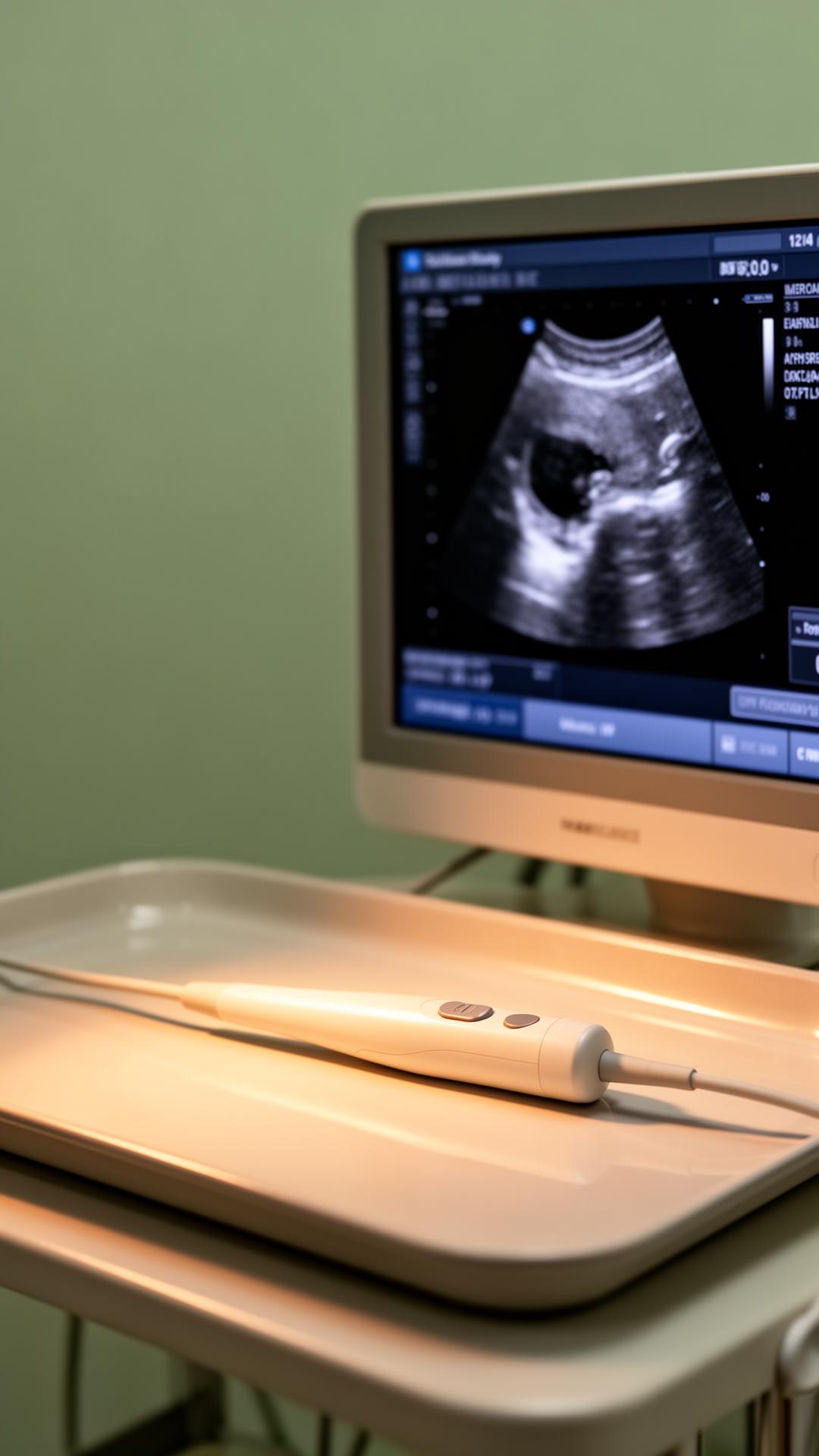
Diagnosing adenomyosis accurately, especially for fertility purposes, requires more than just symptoms. Often, it's an incidental finding during investigations for infertility. The gold standard for diagnosis is usually a detailed transvaginal ultrasound (TVS) performed by an experienced sonologist. We look for specific features such as:
- An enlarged, globular uterus.
- Thickened or heterogeneous myometrium (the muscular wall).
- Myometrial cysts or small fluid-filled spaces.
- Subendometrial lines and buds.
Sometimes, a 3D ultrasound can offer even greater clarity. In more complex or ambiguous cases, a Magnetic Resonance Imaging (MRI) scan may be recommended to provide detailed images of the uterine anatomy and extent of the adenomyosis. Hysteroscopy, which allows us to visualise the inside of the uterine cavity, might also be performed to rule out other intra-cavitary issues, though it doesn't directly diagnose adenomyosis itself. We rarely confirm adenomyosis with a biopsy prior to treatment for fertility.
04Treatment Strategies for Adenomyosis Before IVF
Once adenomyosis is diagnosed, particularly if it's considered moderate to severe or symptomatic, optimising the uterine environment before an IVF embryo transfer becomes paramount. The primary goal is to reduce the inflammation and hormonal stimulation of the misplaced endometrial tissue, thereby improving uterine receptivity. Surgical approaches, such as adenomyomectomy (removal of adenomyotic lesions), are generally reserved for very specific, localised forms of adenomyosis, and carry risks including uterine scarring, so they are not routinely recommended for diffuse adenomyosis prior to IVF.
The mainstay of pre-IVF treatment for adenomyosis involves medical management aimed at suppressing ovarian hormones. This typically includes:
- GnRH analogues (agonist or antagonist protocols) — These medications temporarily induce a reversible, menopause-like state by suppressing ovarian function, thereby shrinking the adenomyotic tissue and calming the uterine environment. They can be given as daily injections or monthly depot injections.
- A common approach is a 'long downregulation' protocol, where daily or monthly GnRH agonist injections are administered for 2-6 months before the embryo transfer cycle. This allows for adequate suppression and tissue regression. Patients often ask me about the duration, and while there's no single magic number, studies suggest a minimum of 2-3 months is generally beneficial for moderate to severe cases. The exact duration is individualised based on the severity of adenomyosis and patient response.
- Other options like progestins (e.g., Dienogest) may be used for symptom management, but their role in improving IVF outcomes when used alone pre-transfer is less clear compared to GnRH analogues.
This 'preparation phase' before embryo transfer is crucial. It gives the uterus a much-needed break from the hormonal fluctuations that fuel adenomyosis, allowing it to become a more welcoming home for the embryo. While the wait can be frustrating for my patients, I always explain the importance of creating the best possible foundation for success.
05The IVF Protocol for Adenomyosis Patients
For women with adenomyosis undergoing IVF, the ovarian stimulation phase for egg retrieval generally proceeds as per standard protocols, with adjustments based on ovarian reserve and other factors. The key difference, as mentioned, lies in the preparation for embryo transfer.
After egg retrieval and embryo creation, we almost always recommend a frozen embryo transfer (FET) cycle for patients with adenomyosis. This is because we need to implement the downregulation strategy after the egg retrieval. The fresh embryo transfer cycle does not allow for the necessary several months of uterine preparation with GnRH analogues. Once the embryos are frozen, we can then proceed with the pre-treatment regimen for 2-6 months, followed by a hormonally supported FET cycle.
During the FET cycle, usually, an oestrogen-primed uterine lining is prepared, followed by progesterone supplementation. The embryo transfer is timed precisely based on the duration of progesterone exposure. Throughout this entire process, close monitoring with ultrasounds and blood tests is essential to ensure the uterine lining is developing optimally and the hormonal environment is conducive for implantation.
06Lifestyle Considerations and Holistic Support
While medical interventions are central, I always emphasise the role of lifestyle in supporting overall reproductive health, even with conditions like adenomyosis. Maintaining a healthy body weight, adopting an anti-inflammatory diet (rich in fruits, vegetables, whole grains, and lean proteins, similar to a Mediterranean or traditional Indian diet, while limiting processed foods, excessive sugars, and unhealthy fats), and engaging in regular, moderate exercise can be beneficial. Managing stress through practices like yoga, meditation, or spending time in nature (perhaps a quiet evening at KBR Park in Kondapur) is also vital, as the fertility journey itself can be incredibly stressful.
Remember, these lifestyle changes are supportive measures and not a substitute for medical treatment. However, they can contribute to a healthier internal environment and improve overall well-being during what can be a challenging time. I also recommend discussing any supplements with me, as some herbal remedies might interact with prescribed medications.
07Costs and ART Act 2021 in India
The cost of an IVF cycle in India, especially in cities like Hyderabad, can range significantly depending on the clinic, the specific protocols, and individual patient needs. A single IVF cycle (including ovarian stimulation, egg retrieval, fertilisation, and fresh embryo transfer) typically costs between INR 1,20,000 to INR 2,50,000. However, for adenomyosis patients, we often perform a frozen embryo transfer (FET) after an initial downregulation phase.
The additional costs would include:
- Embryo freezing and storage — INR 15,000 - 30,000 for the first year, then annual charges.
- GnRH analogue injections — This can add INR 5,000 - 15,000 per month, depending on the specific drug and dosage, for the duration of treatment (2-6 months).
- Frozen embryo transfer cycle — INR 40,000 - 80,000, which includes medication for uterine preparation and the transfer procedure.
Overall, a comprehensive IVF treatment for adenomyosis, including preliminary downregulation and FET, could be in the range of INR 2,50,000 to INR 4,50,000 or more, based on individual requirements and clinic pricing. It's important to discuss a detailed cost breakdown with your fertility specialist. The Assisted Reproductive Technology (Regulation) Act, 2021, and its subsequent rules have brought increased regulation and oversight to fertility clinics, ensuring greater transparency and patient safety, which is a positive step for all patients undergoing fertility treatments in India.
08What Are the Chances of Success with Adenomyosis?
This is a question I get asked frequently, and it's an important one. While adenomyosis does present challenges, the good news is that with appropriate pre-treatment and a tailored IVF strategy, successful pregnancies are very much possible. Studies show that when adenomyosis is adequately managed before embryo transfer, implantation rates and live birth rates can be significantly improved, often approaching those of women without adenomyosis. While specific success rates vary widely based on age, severity of adenomyosis, ovarian reserve, embryo quality, and other co-existing factors, it's not uncommon to see success rates of 40-55% per embryo transfer in appropriately treated younger women.
It's crucial to have realistic expectations and to trust in the process. My role is to guide you through each step, offering precise, evidence-based advice to maximise your chances of a successful pregnancy. This often involves patience and perseverance, especially during the pre-treatment phase.
Want a personalised plan based on your reports?
Consult Dr. Sana by video from home — anywhere in India or abroad. Share your reports in advance and receive a written plan. No referral required.
Sources
- Indian Council of Medical Research — National ART Guidelines and the ART (Regulation) Act, 2021
- ESHRE — European Society of Human Reproduction and Embryology, clinical practice guidelines
- NICE CG156 — Fertility problems: assessment and treatment
- Royal College of Obstetricians and Gynaecologists — patient information and guidelines