One of the most common concerns my patients in Hyderabad and across India bring to me when we discuss fertility challenges is the presence of uterine fibroids. These benign growths, while often intimidating sounding, don't always spell doom for your dreams of starting a family. The critical question is not just 'Do I have fibroids?' but 'How do these fibroids affect my fertility, and what's the best way forward?'
01What Exactly Are Uterine Fibroids?
Uterine fibroids, medically known as leiomyomas or myomas, are non-cancerous growths that develop from the muscle tissue of the uterus. They are incredibly common, affecting a significant number of women, particularly those in their reproductive years. In fact, studies suggest that up to 70-80% of women may develop fibroids by the age of 50, though many will never even know they have them because they remain asymptomatic. They can range in size from tiny seedlings, undetectable to the naked eye, to bulky masses that can distort and enlarge the uterus significantly. Their growth is influenced by hormones, particularly oestrogen, which is why they often grow during pregnancy and tend to shrink after menopause.
02Where Do Fibroids Grow and Why Does it Matter for Fertility?
The impact of a fibroid on your fertility is largely dictated by its location within the uterus, far more than its absolute size. We classify fibroids based on where they sit:
- Subserosal Fibroids — These develop on the outer surface of the uterus. They generally do not affect fertility unless they grow very large, pressing on surrounding organs or blocking fallopian tubes (a rare occurrence).
- Intramural Fibroids — These grow within the muscular wall of the uterus. Their impact on fertility depends heavily on their size and whether they distort the uterine cavity. A small intramural fibroid, say 2-3 cm, might have no discernible effect, whereas a larger one, especially if it significantly expands inwards, can be problematic.
- Submucosal Fibroids — These are the most concerning type for fertility. They protrude into the uterine cavity, where the embryo needs to implant and grow. Even small submucosal fibroids can act like an intrauterine contraceptive device (IUCD), making implantation difficult or leading to early pregnancy loss. These are almost always considered clinically significant for fertility.
- Pedunculated Fibroids — These are either subserosal or submucosal fibroids attached to the uterus by a stalk. While subserosal pedunculated fibroids are usually not a fertility concern, a pedunculated submucosal fibroid will have similar implications to a sessile (non-stalked) submucosal one.
03How Do Fibroids Interfere with Conception and Pregnancy?
Fibroids can disrupt the journey to parenthood through several mechanisms, particularly the intramural and submucosal types:
- Distorted Uterine Cavity — Submucosal fibroids, and large intramural fibroids that bulge into the cavity, can alter the shape of the womb, making it difficult for an embryo to implant successfully. It's like trying to plant a seed in uneven, rocky soil.
- Altered Endometrial Receptivity — Even without direct distortion, fibroids can affect the blood flow to the endometrium (the uterine lining), making it less receptive to implantation. They can also cause inflammation or alter the molecular environment, creating a hostile environment for the embryo.
- Interference with Sperm Transport — In rare cases, very large fibroids near the cervix or blocking the fallopian tube ostia can physically impede the passage of sperm.
- Increased Risk of Miscarriage — If implantation does occur, submucosal and large intramural fibroids are associated with a higher risk of recurrent pregnancy loss due to poor implantation, reduced blood supply, or uterine contractility issues.
- Complications During Pregnancy — Even if conception is successful, fibroids, particularly larger ones, can increase the risk of preterm labour, placental abruption, fetal growth restriction, and might necessitate a Caesarean section due to their size or location obstructing the birth canal.
04When Do We Consider Treatment for Fibroids in a Fertility Context?
This is the crux of the matter, and a question I spend a lot of time discussing with my patients. Not every fibroid needs intervention, and sometimes, surgery can introduce its own set of risks, like uterine scarring, which might be counterproductive. We weigh several factors:
- Location is Paramount — As discussed, submucosal fibroids, even small ones (1-2 cm), are almost always considered for removal if fertility is a goal. Intramural fibroids, especially if they are larger than, say, 4-5 cm and significantly distort the uterine cavity or are causing symptoms, might warrant removal. Subserosal fibroids are generally left alone unless they are exceptionally large (over 7-10 cm) and causing pressure symptoms.
- Symptoms — Do the fibroids cause heavy menstrual bleeding, severe pain, or pressure symptoms? While these are not directly fertility issues, they can severely impact quality of life and might necessitate removal regardless of fertility plans.
- History of Infertility/Recurrent Miscarriage — If a patient has unexplained infertility or has experienced multiple miscarriages, and fibroids are present, particularly the types known to impact fertility, then removal becomes a stronger consideration.
- Size — While location is key, very large fibroids (typically over 5-7 cm for intramural, or those causing significant uterine enlargement) can be problematic regardless of exact position, due to their sheer bulk and impact on uterine function.
- Patient's Age and Ovarian Reserve — In older patients or those with diminished ovarian reserve, we must carefully balance the potential benefits of fibroid removal against the time delay and potential risks of surgery, which could further deplete ovarian function or delay crucial fertility treatments.
05Treatment Options: Myomectomy for Fertility Preservation
When surgical intervention is deemed necessary to improve fertility outcomes, the procedure of choice is almost always a myomectomy. This involves surgically removing the fibroids while preserving the uterus. There are different approaches:
- Hysteroscopic Myomectomy — This is the preferred method for submucosal fibroids. A slender scope is passed through the vagina and cervix into the uterus, and the fibroid is shaved off from inside. It's a minimally invasive, day-care procedure, and recovery is quick. The cost for this procedure in a reputable facility in Hyderabad can range from INR 60,000 to 1,50,000 depending on the complexity and hospital.
- Laparoscopic Myomectomy — This is a keyhole surgery for intramural and subserosal fibroids. Small incisions are made in the abdomen, and instruments are used to remove the fibroids. It offers quicker recovery and less pain than open surgery. Cost estimates typically range from INR 1,50,000 to 3,50,000.
- Open (Abdominal) Myomectomy — This involves a larger incision in the abdomen, similar to a C-section incision. It's often reserved for very large or numerous fibroids, or those that are technically difficult to remove laparoscopically. While recovery is longer, it allows the surgeon to access and remove complex fibroids more comprehensively. The cost could be in the range of INR 1,20,000 to 3,00,000.
The decision on which approach to use is highly individualised, based on the size, number, and location of your fibroids, as well as your overall health and surgical history. In some cases, to minimise blood loss during surgery, a short course of GnRH analogues might be given pre-operatively to shrink the fibroids temporarily.
06Non-Surgical Options and What to Know
While non-surgical treatments like Uterine Fibroid Embolisation (UFE) or medications can manage symptoms of fibroids, they are generally not recommended if you are actively trying to conceive or preserve your fertility. UFE, for instance, involves blocking the blood supply to the fibroids, which can also affect the blood supply to the healthy uterine tissue and ovaries, potentially harming fertility and increasing risks in future pregnancies. Medications primarily manage symptoms like heavy bleeding or pain but do not remove the fibroids or improve their impact on implantation.
07Recovery, Risks, and Fertility Outcomes Post-Myomectomy
After a myomectomy, especially a laparoscopic or open procedure, a period of healing is crucial. I usually advise patients to wait for at least 3-6 months before attempting conception, either naturally or through assisted reproductive technologies (ART), to allow the uterus to fully heal. This minimises the risk of uterine rupture in subsequent pregnancies, particularly after transmural cuts (cuts that go through the full thickness of the uterine wall). For some patients, especially after extensive myomectomy, a Caesarean section may be recommended for future deliveries to prevent rupture.
The success rates of myomectomy in improving fertility are quite encouraging, particularly for submucosal fibroids. Studies show that removal of submucosal fibroids can significantly improve pregnancy rates and reduce miscarriage rates. For intramural fibroids, the benefit is often seen more clearly when they are large and clearly distorting the cavity. It's important to remember that myomectomy does not guarantee pregnancy, especially if other fertility factors are at play, but it removes a significant barrier.
08Navigating Your Options: My Approach
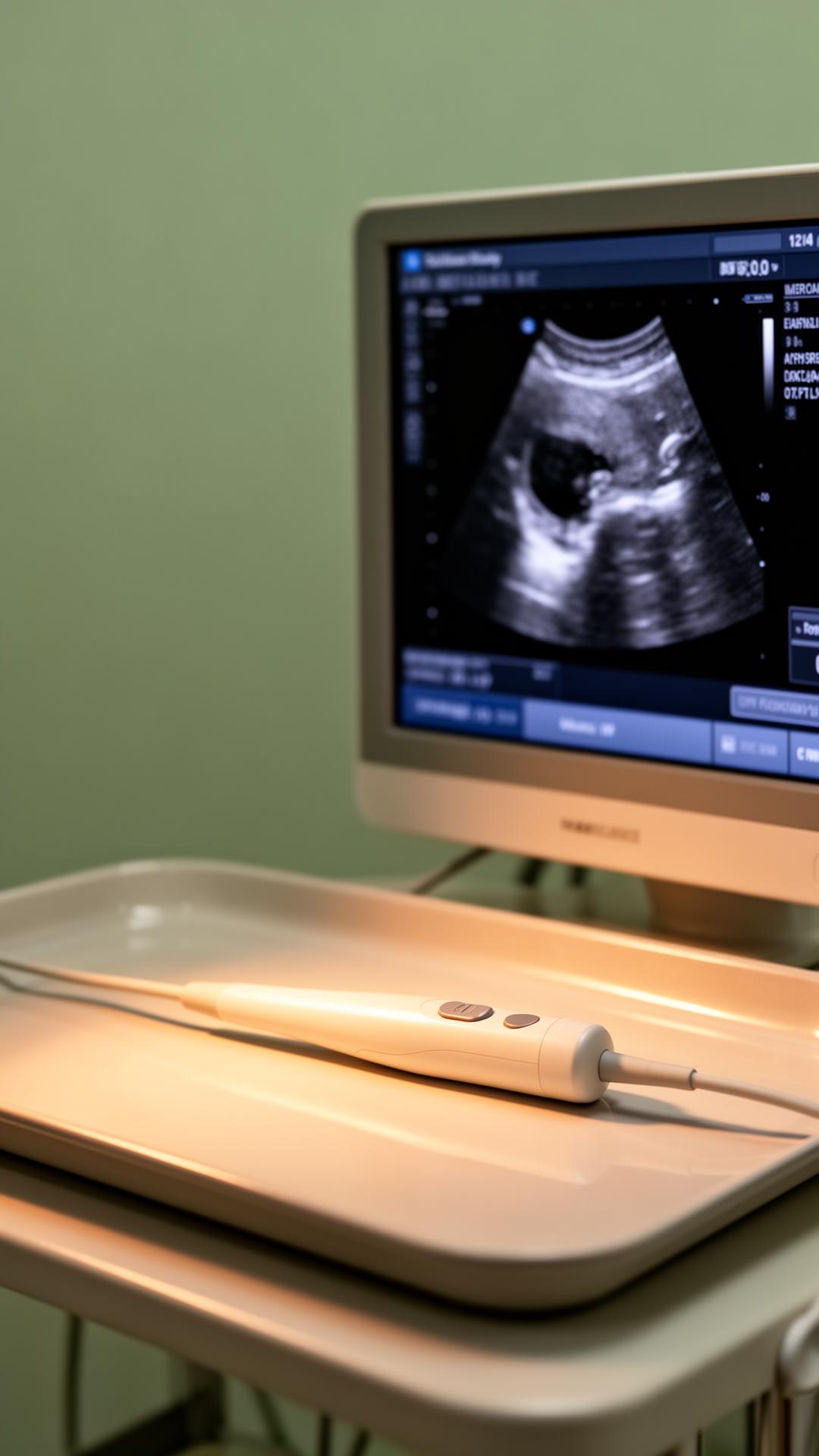
My philosophy is always to adopt a balanced, evidence-based approach. We start with a thorough diagnosis, using advanced imaging techniques like 3D transvaginal ultrasound and sometimes an MRI, to precisely map out the location, size, and number of your fibroids. We then consider your complete fertility picture – your age, ovarian reserve, partner's factors, and any other co-existing conditions. We discuss the pros and cons of intervention, the potential risks of surgery versus the risks of leaving the fibroids untreated, and the expected timelines. The decision is always a shared one, tailored specifically to you.
Want a personalised plan based on your reports?
Consult Dr. Sana by video from home — anywhere in India or abroad. Share your reports in advance and receive a written plan. No referral required.
Sources
- Indian Council of Medical Research — National ART Guidelines and the ART (Regulation) Act, 2021
- ESHRE — European Society of Human Reproduction and Embryology, clinical practice guidelines
- NICE CG156 — Fertility problems: assessment and treatment
- Royal College of Obstetricians and Gynaecologists — patient information and guidelines