One of the most disheartening things my patients sometimes face is when everything else seems perfect for IVF – good ovarian reserve, healthy sperm, a responsive uterus – but success remains elusive due to a hidden culprit: tubal disease, particularly hydrosalpinx. This condition, often silent and undetected until a thorough investigation, can significantly impact your journey to parenthood, sometimes halving the chances of a successful IVF cycle.
01Understanding Tubal Disease: More Than Just Blocked Tubes
When we talk about tubal factor infertility, we are referring to issues with the Fallopian tubes that prevent the sperm and egg from meeting, or the fertilised embryo from travelling to the uterus. These delicate, muscular tubes are typically about 10-12 cm long and play a crucial role in natural conception. They act as highways for the egg post-ovulation, the site where fertilisation usually occurs, and then transport the early embryo towards the womb. Any damage or blockage along this path can impede these vital functions, leading to infertility. Tubal disease is a significant cause of infertility in India, accounting for a substantial percentage of cases I see at Apollo Fertility, Hyderabad.
The damage to Fallopian tubes is most commonly caused by infections, often pelvic inflammatory disease (PID), which can result from sexually transmitted infections (STIs) like chlamydia or gonorrhoea, or even infections following childbirth, miscarriage, or abortion. Endometriosis, previous abdominal surgeries (like appendectomy or C-section), and even conditions like tuberculosis, which sadly is still prevalent in some parts of our country, can also lead to tubal damage. These inflammatory processes can cause scarring, adhesions, and blockages, altering the tubes' delicate structure and function.
02What is a Hydrosalpinx and Why is it so Harmful?
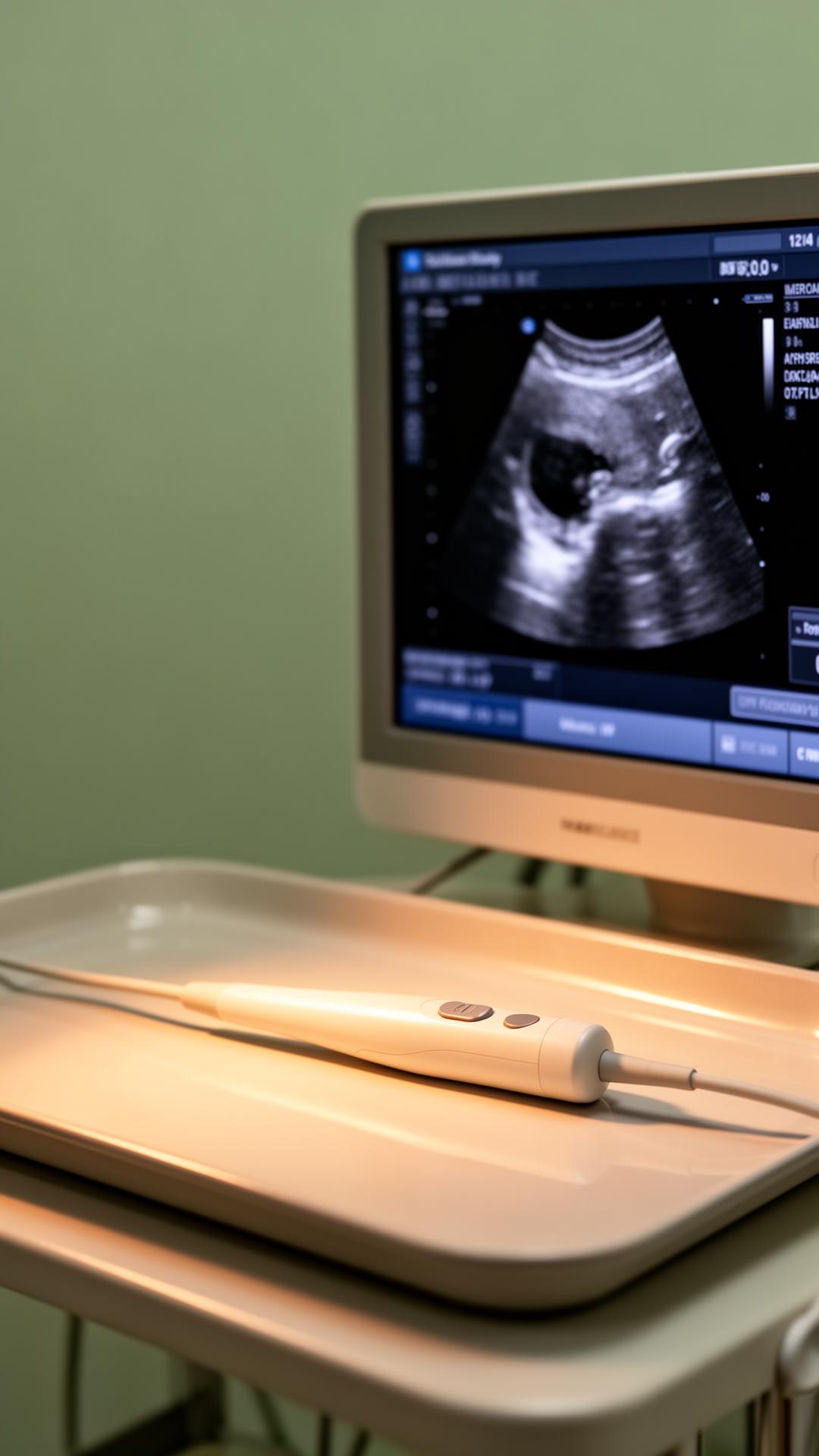
A hydrosalpinx is a specific type of tubal disease where the end of the Fallopian tube, near the ovary, becomes blocked, and the tube fills with a watery, usually sterile, fluid. Imagine a small, delicate pipe getting blocked and then swelling up with trapped fluid – that's essentially what happens. This fluid can range from clear and watery to thick and dark, depending on the cause and duration of the condition. It's often diagnosed during an ultrasound scan, especially a transvaginal ultrasound, where the distended, sausage-shaped tube can be visualised. Sometimes, a more detailed evaluation with a hysterosalpingogram (HSG) or a diagnostic laparoscopy is needed to confirm the diagnosis and assess the extent of damage.
The presence of a hydrosalpinx is particularly concerning for women undergoing IVF, and this is where careful planning becomes absolutely critical. The fluid accumulated within the hydrosalpinx is not inert; it is often toxic to embryos. This fluid can reflux or flow back into the uterine cavity, essentially creating a hostile environment for the newly transferred embryos. This 'backwash' can directly harm the embryos, impairing their ability to implant and develop. Furthermore, the chronic inflammation associated with hydrosalpinx can also affect the uterine lining (endometrium), making it less receptive to implantation. Studies have consistently shown that an untreated hydrosalpinx can halve your chances of a successful IVF cycle, reducing implantation rates, increasing miscarriage rates, and in the end leading to lower live birth rates.
03Diagnosing Tubal Disease: My Approach in Hyderabad
Accurate diagnosis is the cornerstone of effective treatment. When a patient comes to me with fertility concerns, especially if there's a history suggestive of tubal issues, I recommend a comprehensive evaluation. This usually begins with a detailed medical history, including any past infections, surgeries, or pelvic pain. Then, a physical examination, followed by specific diagnostic tests.
The primary diagnostic tools include:
- Transvaginal Ultrasound (TVS) — Often the first line, as it can sometimes visualise a distended, fluid-filled Fallopian tube, especially if the hydrosalpinx is large. It's a non-invasive and readily available test.
- Hysterosalpingogram (HSG) — This X-ray procedure involves injecting a dye through the cervix into the uterus and Fallopian tubes. It allows us to see if the tubes are open or blocked, and can often show the characteristic appearance of a hydrosalpinx. While uncomfortable for some, it provides crucial information.
- Sonosalpingography (Sono-HSG or HyCoSy) — Similar to HSG but uses ultrasound and saline solution or a contrast agent to visualise the tubes. It avoids radiation exposure.
- Diagnostic Laparoscopy — This is a surgical procedure, considered the 'gold standard' for tubal assessment. A small incision is made in the abdomen, and a thin scope is inserted to directly visualise the uterus, Fallopian tubes, and ovaries. It allows us to not only diagnose tubal blockages and hydrosalpinx but also assess the extent of damage, presence of adhesions, and other pelvic pathologies like endometriosis. Sometimes, during this procedure, corrective action can also be taken.
For my patients in Hyderabad, these investigations are typically accessible and performed with great care. The choice of diagnostic test depends on individual circumstances and findings from initial assessments.
04Treatment Options: IVF with Caution
For women with tubal disease, especially hydrosalpinx, natural conception is often difficult or impossible. IVF becomes the most viable pathway to parenthood because it bypasses the need for the Fallopian tubes to function. However, as I've explained, the presence of a hydrosalpinx significantly compromises IVF success rates. Therefore, simply proceeding with IVF without addressing the hydrosalpinx is generally not recommended.
The primary goal before IVF in cases of hydrosalpinx is to either remove the affected tube(s) or disconnect them from the uterus. The surgical procedures we consider are:
- Salpingectomy — This involves surgically removing the affected Fallopian tube(s). This is often the preferred approach for significant hydrosalpinx. It eliminates the source of the toxic fluid and removes the inflammatory focus. This can be done via laparoscopy, which is minimally invasive, or in some cases, via open surgery. Recovery is typically a few days to a week for laparoscopic procedures.
- Tubal Occlusion/Ligation — If removal isn't feasible or desired, the Fallopian tube can be blocked or ligated close to the uterus. This prevents the fluid from refluxing into the uterine cavity, although the hydrosalpinx itself remains. This can also be performed laparoscopically.
The decision between salpingectomy and tubal occlusion is made on a case-by-case basis, considering the extent of damage, the patient's overall health, and potential surgical risks. My clinical experience, and the evidence, strongly supports addressing hydrosalpinx before embryo transfer to maximise IVF success.
05The Surgical Process and Costs in India
When I recommend surgery for hydrosalpinx, it's usually a laparoscopic procedure. This involves small incisions (keyhole surgery), leading to less pain, quicker recovery, and minimal scarring compared to open surgery. Patients typically stay overnight or are discharged the same day, depending on the complexity.
The cost for laparoscopic salpingectomy or tubal occlusion in Hyderabad and other major Indian cities can vary significantly based on the hospital, surgeon's experience, and complexity of the case. Generally, you can expect the costs to range from INR 60,000 to INR 1,50,000. This usually includes hospital stay, surgeon's fees, anaesthesia, and basic medication. It's important to have a clear discussion about all anticipated costs with the hospital administration and my team during your consultation. These costs are separate from the IVF cycle itself.
The timing of surgery is important. We typically aim to perform the surgery well before the planned IVF cycle to allow for complete healing and recovery, usually a few weeks to a couple of months. This ensures the uterus is in optimal condition for embryo implantation.
06ART Act 2021 and Ethical Considerations
India's Assisted Reproductive Technology (Regulation) Act, 2021, and the Surrogacy (Regulation) Act, 2021, govern all fertility treatments. While these acts primarily focus on aspects like donor anonymity, consent, and ethical practices in ART, the underlying principle is always patient safety and maximising the chances of a healthy live birth. My recommendations for addressing hydrosalpinx before IVF align perfectly with this ethos – it's about providing the best possible, evidence-based care to improve your outcomes and ensure a safer, more successful fertility journey.
We always discuss all options thoroughly, ensuring you understand the risks, benefits, and alternatives. It’s a shared decision-making process, putting your well-being and success at the forefront. We consider not just the physical aspect but also the emotional and financial implications of these decisions.
07My Advice for Patients: Don't Compromise on Preparation
My key message to all my patients considering IVF, especially those with suspected or diagnosed tubal disease, is this: Do not underestimate the impact of hydrosalpinx. While it might seem like an extra step or delay, addressing it proactively is crucial for optimising your IVF success rates. It's an investment in your fertility journey that significantly increases your chances of taking home a healthy baby.
Often, patients are eager to jump straight into IVF, understandably so, given the emotional and financial investment. However, I always counsel them to pause, prepare the body optimally, and address any known barriers to success, such as a hydrosalpinx. A carefully planned and executed approach, even if it involves an initial surgical step, will save you from potential heartbreak and repeated failed IVF cycles, which are far more taxing emotionally and financially in the long run. At Apollo Fertility, Hyderabad, we ensure every aspect of your treatment plan is tailored for your highest probability of success.
Want a personalised plan based on your reports?
Consult Dr. Sana by video from home — anywhere in India or abroad. Share your reports in advance and receive a written plan. No referral required.
Sources
- Indian Council of Medical Research — National ART Guidelines and the ART (Regulation) Act, 2021
- ESHRE — European Society of Human Reproduction and Embryology, clinical practice guidelines
- NICE CG156 — Fertility problems: assessment and treatment
- Royal College of Obstetricians and Gynaecologists — patient information and guidelines