When my patients first come to me, many are already familiar with various fertility treatments. However, one diagnostic tool that often raises questions, especially given the advancements in imaging and non-invasive methods, is diagnostic laparoscopy. It used to be a routine step for many struggling to conceive, but its role has evolved considerably.
01What Exactly is a Diagnostic Laparoscopy?
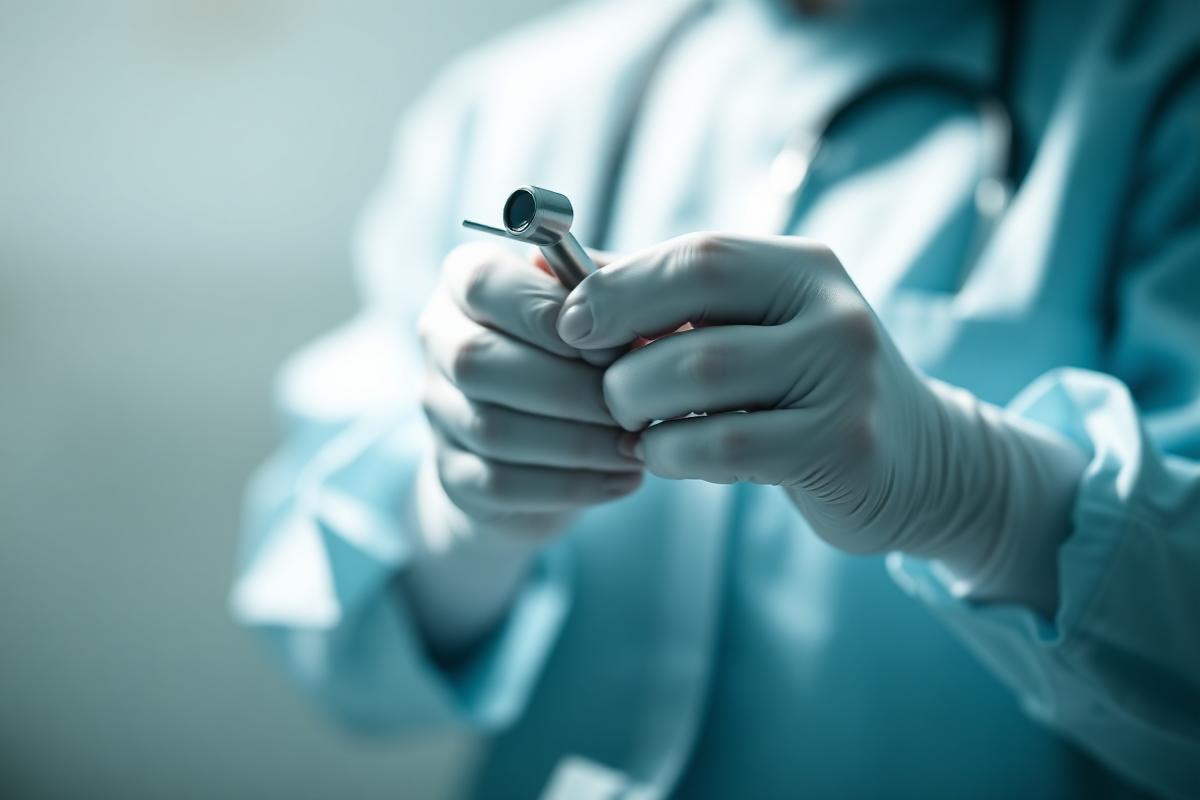
A diagnostic laparoscopy is a minimally invasive surgical procedure that allows me to directly visualise the organs within your pelvis – primarily the uterus, fallopian tubes, and ovaries. It involves making a small incision, usually near the navel, through which a thin, lighted telescope called a laparoscope is inserted. This gives me a clear, magnified view of your reproductive anatomy on a monitor, helping to identify abnormalities that might not be detectable through scans or blood tests alone.
During the procedure, I can check for conditions like endometriosis, pelvic adhesions, fibroids on the outer surface of the uterus, and structural issues with the fallopian tubes. It's often performed under general anaesthesia and typically involves one or two additional tiny incisions to allow for the insertion of instruments to manipulate organs for a better view or to perform minor corrective actions.
02The Evolving Landscape: Why Laparoscopy Isn't as Common Anymore
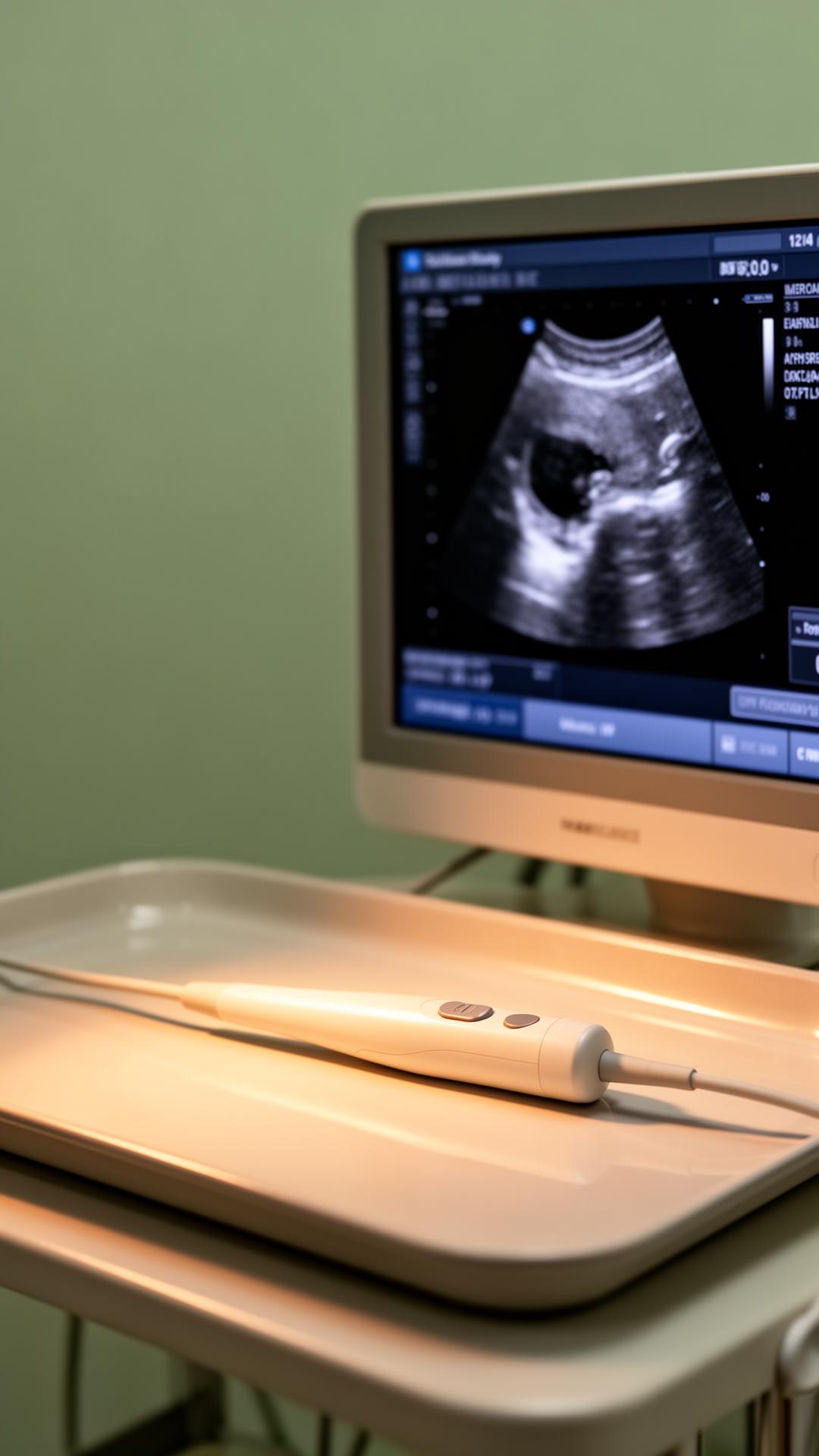
In the past, diagnostic laparoscopy was almost a standard procedure for unexplained infertility. However, advances in non-invasive diagnostics have shifted this paradigm significantly. High-resolution transvaginal ultrasound, saline infusion sonography (SIS), hysteroscopy for intrauterine assessment, and advanced blood tests can now provide a great deal of information without the need for surgery.
Moreover, the drive towards less invasive and more cost-effective approaches to fertility treatment has also played a role. We always aim to achieve pregnancy with the least intervention necessary, balancing diagnostic thoroughness with patient comfort and safety. Surgical procedures, however minor, always carry some inherent risks, which we must weigh carefully against the potential benefits.
03When Do I Still Recommend a Diagnostic Laparoscopy?
Despite the shift, diagnostic laparoscopy remains an invaluable tool in my armamentarium for specific situations. It's not about being 'old-fashioned'; it's about discerning when it offers unique, indispensable information or therapeutic opportunities. Here are some scenarios where I might still recommend it:
- Suspicion of Endometriosis — If a patient presents with classic symptoms of endometriosis – severe period pain, chronic pelvic pain, painful intercourse, or difficulty conceiving – and less invasive methods like ultrasound are inconclusive, laparoscopy is the gold standard for definitive diagnosis and staging. I can visually identify endometriotic implants, which often appear as dark, puckered lesions, and can even biopsy them for histological confirmation.
- Pelvic Adhesions — Previous surgeries, infections (like pelvic inflammatory disease), or endometriosis can lead to the formation of scar tissue, known as adhesions. These can distort pelvic anatomy, entrap ovaries, or block fallopian tubes. Laparoscopy allows me to visualise and often lyse (cut) these adhesions, potentially restoring normal anatomical relationships.
- Tubal Factor Infertility (Certain Cases) — While HSG (hysterosalpingogram) or HyCoSy (Hystero-salpingo-contrast-sonography) can indicate tubal patency, laparoscopy provides direct visualisation of the tubes and surrounding structures. If there's a suspicion of distal tubal block, peritubal adhesions, or hydrosalpinx (fluid-filled tube) not clearly elucidated by other means, a laparoscopy with chromopertubation (dye test) can offer precise diagnostic and often therapeutic clarity. For a hydrosalpinx, particularly if considering IVF, I might recommend a salpingectomy (removal of the tube) or tubal occlusion during the same laparoscopic procedure, as a hydrosalpinx can negatively impact IVF success rates.
- Unexplained Infertility (After Comprehensive Evaluation) — In a small subset of patients where all other investigations – including semen analysis, ovulation studies, hormone levels, and imaging – come back normal, and they have been trying to conceive for an extended period (typically 2-3 years) without success, I might consider a diagnostic laparoscopy. This is usually a last resort before begin more advanced reproductive technologies like IVF, to ensure no subtle, visually detectable factors are being missed.
- Uterine Structural Abnormalities (External) — While hysteroscopy addresses internal uterine issues, laparoscopy can reveal external abnormalities like certain types of fibroids (subserosal) or uterine anomalies that might impact fertility or pregnancy outcomes.
04What Can Be Done During a Diagnostic Laparoscopy (Therapeutic Laparoscopy)?
One of the significant advantages of laparoscopy is its dual diagnostic and therapeutic potential. If I find an issue during the diagnostic phase, I can often address it in the same sitting, provided the patient has given consent beforehand. This is called operative or therapeutic laparoscopy. Common procedures include:
- Excision or ablation of endometriotic implants — Removing or destroying the endometrial tissue outside the uterus.
- Lysis of adhesions — Cutting and separating scar tissue that is binding organs together.
- Ovarian drilling — For certain cases of Polycystic Ovary Syndrome (PCOS) where oral ovulation induction agents have failed, laparoscopic ovarian drilling can improve ovulation rates by reducing androgen production.
- Salpingectomy or tubal occlusion — Removing a severely damaged fallopian tube (e.g., hydrosalpinx) or occluding it to prevent fluid from interfering with embryo implantation in IVF.
- Myomectomy — Removing uterine fibroids, particularly if they are subserosal or intramural but accessible laparoscopically.
Performing these interventions in one procedure saves the patient from undergoing a second surgery, reducing recovery time and overall cost.
05The Procedure, Recovery, and Associated Costs in Hyderabad
If we decide that a diagnostic laparoscopy is right for you, I'll explain the procedure in detail. It's typically a day-care procedure, meaning you'll be admitted and discharged on the same day. You'll need to fast for several hours beforehand. After the general anaesthesia, you can expect some mild discomfort, shoulder tip pain (due to residual gas), and fatigue for a few days. Most patients can resume light activities within 2-3 days and normal activities within a week.
The cost of a diagnostic laparoscopy in Hyderabad can vary based on the hospital, the surgeon's experience, and whether any therapeutic interventions are performed. On average, you can expect it to range from INR 75,000 to INR 1,50,000 for a diagnostic procedure. If significant operative work is required, the costs could be higher. This includes anaesthesia, hospital stay, surgeon's fees, and basic investigations. It's important to discuss the detailed cost breakdown with our team beforehand.
06Balancing Risks and Benefits: My Approach
As your fertility consultant, my primary goal is to help you achieve your dream of parenthood safely and efficiently. This involves a careful, personalised assessment of your situation. For diagnostic laparoscopy, I always weigh the potential benefits – gaining definitive diagnoses, performing immediate therapeutic interventions, and potentially avoiding more complex treatments down the line – against the inherent risks of any surgical procedure, such as infection, bleeding, injury to surrounding organs, and anaesthesia complications. These risks are generally low in skilled hands but are always present.
I will only recommend laparoscopy if I genuinely believe the information or intervention it provides is crucial and cannot be obtained effectively through less invasive means. It's a decision we make together, based on your medical history, symptoms, previous investigations, and your personal preferences.
In the Indian context, the ART Act 2021 also emphasises ethical and evidence-based practice, ensuring that all procedures, including surgical ones, are performed with patient welfare at the forefront. My practice at Apollo Fertility, Hyderabad, adheres strictly to these guidelines, ensuring you receive care that is not only advanced but also compassionate and compliant.
Diagnostic laparoscopy, while no longer a blanket recommendation for all fertility patients, remains a powerful and indispensable tool for the right individuals. It provides a direct window into the pelvic cavity, allowing for precise diagnosis and often immediate treatment of conditions that significantly impact fertility, thereby paving a clearer path towards conception.
Want a personalised plan based on your reports?
Consult Dr. Sana by video from home — anywhere in India or abroad. Share your reports in advance and receive a written plan. No referral required.
Sources
- Indian Council of Medical Research — National ART Guidelines and the ART (Regulation) Act, 2021
- ESHRE — European Society of Human Reproduction and Embryology, clinical practice guidelines
- NICE CG156 — Fertility problems: assessment and treatment
- Royal College of Obstetricians and Gynaecologists — patient information and guidelines