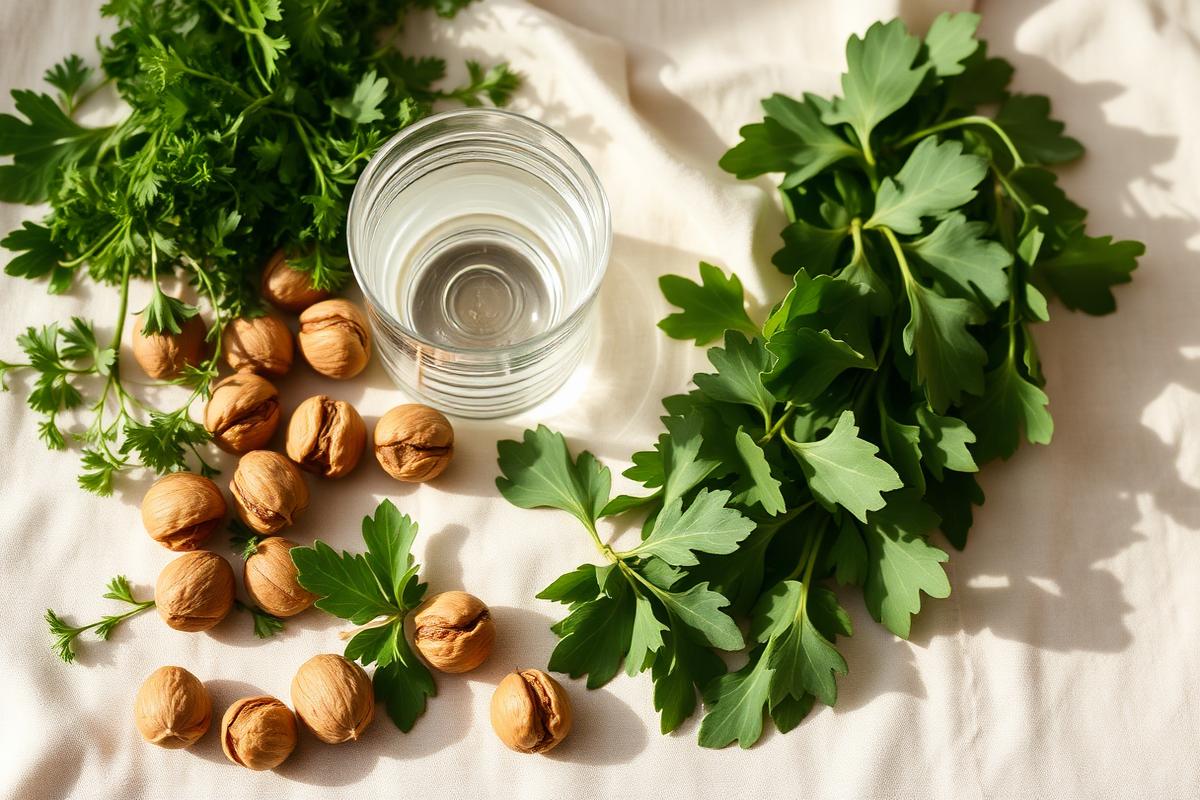

One of the most frequent questions my patients ask me, often with a glint of hope in their eyes, is about fertility foods. They come armed with lists from the internet – certain berries, exotic roots, or specific diets promising miraculous results. While I understand the desire for a simple dietary solution, the truth is, there's no single 'fertility superfood' that will guarantee conception. However, there is a distinct pattern of eating, a consistent dietary approach, that has been shown to significantly improve reproductive outcomes for both men and women.
01Understanding the Basics: What Defines a 'Fertility-Friendly' Diet?
When I speak about a 'fertility-friendly' diet, I’m referring to an eating pattern that supports overall health, reduces inflammation, optimises hormonal balance, and provides the essential nutrients needed for healthy gamete (sperm and egg) development and a receptive uterine environment. It's less about specific, expensive items and more about the holistic picture of your daily intake. Think of it as laying a strong foundation for a healthy pregnancy.
This dietary approach isn't a quick fix; it's a lifestyle change. It complements other crucial factors like maintaining a healthy weight, regular physical activity, managing stress, and getting adequate sleep. For my patients in Hyderabad and across India, this often means rediscovering the wisdom of our traditional diets, perhaps with a modern, evidence-based tweak.
02The Mediterranean Diet: A Gold Standard for Fertility?
Many studies consistently point towards the Mediterranean dietary pattern as being highly beneficial for reproductive health. It's not a rigid diet but rather an eating style emphasising certain food groups. This approach aligns remarkably well with many aspects of traditional Indian cooking, making it easier to adopt here.
Key components of the Mediterranean diet include:
- Abundant fruits and vegetables — Aim for a colourful variety daily.
- Whole grains — Instead of refined flours, choose whole wheat, brown rice, millets (like ragi, jowar, bajra), and oats.
- Legumes — Lentils (dals), chickpeas, and beans are excellent protein and fibre sources.
- Healthy fats — Primarily from olive oil (while not traditional for all Indian cooking, it can be incorporated), nuts, and seeds (like walnuts, almonds, flaxseeds).
- Fish — Particularly fatty fish rich in Omega-3 fatty acids, 2-3 times a week.
- Moderate dairy — Yoghurt and paneer are good options.
- Limited red meat and processed foods — These should be consumed sparingly.
Studies have shown that couples adhering closely to a Mediterranean diet have higher rates of natural conception and improved success rates with Assisted Reproductive Technologies (ART) like IVF. This pattern helps reduce oxidative stress and inflammation, both of which can impair fertility.
03Prioritising Protein: Quality Over Quantity
Protein is fundamental for hormone production, egg and sperm development, and overall cellular repair. However, the type of protein matters significantly. While red meat can be part of a balanced diet in moderation, excessive consumption of highly processed meats has been linked to poorer fertility outcomes.
I advise my patients to focus on diverse protein sources:
- Plant-based proteins — Lentils, beans, chickpeas, tofu, tempeh, nuts, and seeds. These come packed with fibre and various micronutrients.
- Lean animal proteins — Poultry, fish (especially fatty fish like salmon, mackerel, sardines for Omega-3s), and eggs.
- Dairy — Yoghurt and paneer are also good protein sources.
For women undergoing IVF, adequate protein intake, particularly from plant sources, has been associated with better embryo quality. For men, a balanced intake of diverse proteins supports optimal sperm production and motility.
04The Role of Carbohydrates: Choosing Wisely
Not all carbohydrates are created equal. Refined carbohydrates, found in white bread, white rice, sugary drinks, and highly processed snacks, lead to rapid spikes in blood sugar and insulin. Chronic high insulin levels can disrupt hormonal balance, particularly affecting ovulation in women with conditions like Polycystic Ovary Syndrome (PCOS).
I encourage my patients to opt for complex carbohydrates with a low glycaemic index:
- Whole grains — Brown rice, whole wheat roti, oats, millets.
- Vegetables — Especially non-starchy varieties like leafy greens, broccoli, bell peppers.
- Fruits — Whole fruits rather than fruit juices, as they retain their fibre.
These choices provide sustained energy, help stabilise blood sugar, and offer essential fibre, which aids gut health and hormone metabolism. This is particularly relevant for managing conditions like insulin resistance common in many Indian women with PCOS, affecting perhaps 1 in 5 women in reproductive age.
05Healthy Fats: Essential, Not Enemy
For years, fats were demonised, but we now understand that healthy fats are absolutely crucial for hormone production, nutrient absorption, and reducing inflammation. They are building blocks for steroid hormones like oestrogen and progesterone, which are vital for conception and pregnancy.
Sources of healthy fats include:
- Monounsaturated fats — Olive oil, avocados (if accessible), nuts (almonds, cashews, walnuts), seeds.
- Polyunsaturated fats — Especially Omega-3 fatty acids found in fatty fish (salmon, mackerel, sardines), flaxseeds, chia seeds, and walnuts. These have anti-inflammatory properties that can benefit egg quality and uterine receptivity.
Conversely, trans fats, often found in fried foods, baked goods, and some processed snacks, should be strictly avoided. These are linked to increased inflammation and have been shown to negatively impact ovulation and increase the risk of infertility.
06Micronutrients: The Unsung Heroes
While macronutrients (proteins, fats, carbs) provide energy and structure, micronutrients (vitamins and minerals) are the catalysts for countless biochemical reactions crucial for fertility. A deficiency in even one key micronutrient can disrupt reproductive processes. This is why I often recommend targeted supplementation alongside dietary changes, especially when preparing for conception or undergoing ART.
Key micronutrients for fertility include:
- Folate (Vitamin B9) — Crucial for DNA synthesis and preventing neural tube defects. Found in leafy greens, legumes, and fortified cereals. A minimum of 400 mcg daily is recommended before conception.
- Iron — Prevents anaemia, vital for oxygen transport. Found in leafy greens, lentils, meat. Women are particularly susceptible to iron deficiency.
- Zinc — Essential for sperm production and quality in men, and egg development and ovulation in women. Found in legumes, nuts, seeds, meat.
- Selenium — An antioxidant that protects eggs and sperm from damage. Found in nuts (especially Brazil nuts), fish, whole grains.
- Vitamin D — Plays a role in hormone regulation, immune function, and uterine receptivity. Many Indians are deficient due to indoor lifestyles. Sun exposure (15-20 minutes daily around noon, without sunscreen) and fortified foods are good sources, but supplementation is often needed.
- Antioxidants (Vitamins C, E, Beta-carotene) — Protect cells from oxidative stress. Found in colourful fruits and vegetables.
Do note that while a balanced diet provides many of these, individual needs vary. I often advise a basic preconception multivitamin containing folate, iron, and vitamin D, and may suggest additional supplements based on blood tests.
07Hydration and Lifestyle Factors: More Than Just Food
While we focus heavily on what you eat, how you live is equally important. Adequate hydration, by drinking sufficient water throughout the day, supports healthy blood flow to reproductive organs and maintains cervical mucus quality. Aim for 2-3 litres of water daily, more if you are active or in our Hyderabad heat.
Beyond diet, consider:
- Caffeine — Moderate intake (1-2 cups of coffee/tea daily) is generally considered safe, but excessive amounts (over 200-300 mg/day) may be associated with reduced fertility and increased miscarriage risk.
- Alcohol — For couples trying to conceive, it's best to minimise or abstain from alcohol. There is no universally agreed 'safe' limit for fertility or pregnancy.
- Smoking — Absolutely detrimental for both male and female fertility, decreasing egg and sperm quality and increasing miscarriage risk. Complete cessation is paramount.
- Weight Management — Both underweight and overweight/obesity can negatively impact fertility by disrupting hormonal balance. Achieving a healthy Body Mass Index (BMI) between 18.5 and 24.9 is crucial.
08Putting It Into Practice: Practical Tips for Indian Homes
Translating these dietary principles into our Indian context is often simpler than my patients imagine. Many traditional meals are inherently fertility-friendly.
- Embrace Millets — Replace white rice with brown rice, ragi, jowar, or bajra for rotis and porridges.
- Lentils and Legumes — Increase your intake of dals, chana, rajma. They are excellent sources of plant protein and fibre.
- Seasonal Vegetables & Fruits — Our markets are vibrant with fresh produce. Load up your plate with a variety of colours.
- Smart Snacking — Replace processed biscuits and chips with nuts, seeds, fruit, or roasted chana.
- Healthy Cooking Oils — While ghee has its place in moderation, explore oils like groundnut, sesame, or mustard oil, and consider incorporating olive oil for salad dressings or light sautéing.
- Spice Power — Our spices like turmeric, ginger, and garlic have anti-inflammatory and antioxidant properties; use them generously.
The cost implications are often minimal. Shifting from highly processed, packaged foods to whole, fresh ingredients can sometimes even be more economical. For instance, a packet of biscuits might cost INR 30-50, but a handful of groundnuts or a seasonal fruit might be even less, offering far greater nutritional value.
09Dispelling Myths and Fads
Let me reiterate: there is no magic fertility diet or 'superfood'. Be wary of expensive supplements or restrictive diets promising impossible results. Extreme elimination diets, unless medically supervised for a specific condition, can lead to nutrient deficiencies and unnecessary stress.
Focus on consistency and sustainability. A balanced, nutrient-dense diet over several months is far more impactful than a week of 'detox' followed by a return to old habits. If you have specific dietary restrictions or medical conditions, always consult with a doctor or a registered dietitian. The ART Act 2021 also emphasises holistic health and counselling, and nutrition is a key part of that approach.
Want a personalised plan based on your reports?
Consult Dr. Sana by video from home — anywhere in India or abroad. Share your reports in advance and receive a written plan. No referral required.
Sources
- Indian Council of Medical Research — National ART Guidelines and the ART (Regulation) Act, 2021
- ESHRE — European Society of Human Reproduction and Embryology, clinical practice guidelines
- NICE CG156 — Fertility problems: assessment and treatment
- Royal College of Obstetricians and Gynaecologists — patient information and guidelines