Navigating the world of fertility treatments can feel overwhelming, with so much information and often conflicting advice available. Intrauterine Insemination, or IUI, is one such treatment that frequently comes up in discussions, sometimes presented as a panacea, other times as an unnecessary step. My aim today is to offer you a balanced, evidence-based perspective, helping you understand if IUI could be a suitable option for your unique fertility journey here in Hyderabad or elsewhere in India.
01What Exactly Is IUI and How Does It Work?
At its core, IUI is a relatively simple procedure where specially prepared, concentrated sperm are placed directly into the uterus around the time of ovulation. The goal is to give sperm a head start, bypassing the cervix and reducing the distance they need to travel to reach the egg. This increases the chances of fertilisation compared to natural intercourse, especially when there are minor issues hindering conception.
The process typically involves careful monitoring of your menstrual cycle, often with medication to stimulate the ovaries and produce one or two good quality eggs. Once an egg (or eggs) is mature, an ovulation trigger shot is given. The IUI procedure itself is performed approximately 24-36 hours later, aligning with the anticipated ovulation. It's a quick, usually painless procedure, much like a cervical smear, and you can resume your normal activities almost immediately.
02Who Is IUI Typically Recommended For? The Ideal Candidates
IUI isn't a one-size-fits-all solution; its effectiveness hinges on addressing specific fertility challenges. As a consultant in Hyderabad, I often see couples who could genuinely benefit from this approach, and it's crucial to identify these scenarios. The ideal candidates generally include:
- Couples with unexplained infertility — When all standard diagnostic tests (sperm analysis, ovulation checks, tubal patency) are normal, but conception hasn't occurred after a year (or six months if over 35). IUI with ovarian stimulation can improve chances by increasing egg availability and sperm concentration at the right time.
- Mild male factor infertility — This includes conditions like slightly low sperm count, reduced sperm motility (their ability to swim), or minor issues with sperm morphology (shape). If the post-wash total motile sperm count is at least 5-10 million, IUI can be effective.
- Cervical factor infertility — Sometimes, the cervix may produce hostile mucus that impedes sperm movement into the uterus. Bypassing the cervix with IUI directly delivers sperm into the uterine cavity.
- Ovulatory dysfunction — Women who ovulate irregularly or not at all, such as those with Polycystic Ovary Syndrome (PCOS), can benefit once ovulation is induced with medication. IUI ensures timing is optimal.
- Single women or same-sex female couples using donor sperm — IUI is a straightforward and effective way to achieve pregnancy using donor sperm.
- Mild endometriosis — In early stages, when tubal function is preserved, IUI may be considered before moving to more advanced treatments.
03When Is IUI Not Recommended? Knowing the Limitations
Just as important as knowing when to consider IUI is understanding its limitations and when it’s unlikely to be successful. As per the ART Act 2021 guidelines, we ensure that treatment is appropriate for each patient. In my practice at Apollo Fertility, Kondapur, I'm transparent with my patients about these scenarios:
- Severe male factor infertility — If the sperm count, motility, or morphology are significantly compromised, or if the post-wash total motile sperm count is very low (e.g., less than 5 million), the chances of IUI success are very slim. IVF with ICSI would be a more appropriate and effective pathway.
- Blocked or damaged fallopian tubes — For IUI to work, at least one fallopian tube must be open and healthy for the egg to meet the sperm. If both tubes are blocked or severely damaged (e.g., due to previous infections, surgery, or hydrosalpinx), IUI cannot result in pregnancy.
- Severe or advanced endometriosis — When endometriosis is extensive, it can distort pelvic anatomy, impair egg quality, and affect tubal function, making IUI largely ineffective. IVF is usually the recommended course of action.
- Low ovarian reserve — Women with very few remaining eggs will have a poor response to ovarian stimulation for IUI. The quality of eggs may also be compromised, leading to lower success rates. IVF may offer better chances.
- Advanced maternal age — For women over 40, the quality and quantity of eggs decline significantly, leading to very low IUI success rates (often less than 5% per cycle). While it can be considered, IVF is usually a more efficient use of time and resources.
- Recurrent IUI failures — If you've undergone 3-4 cycles of well-timed IUI with ovarian stimulation without success, it's generally time to re-evaluate and consider moving on to IVF.
04The Importance of Thorough Diagnostics First
Before even discussing IUI, a comprehensive diagnostic workup is paramount. This isn't just about ticking boxes; it's about understanding the root cause of your fertility challenges and tailoring the most effective treatment plan. For women, this typically includes assessing ovarian reserve (AMH, FSH, AFC), checking for ovulatory function, and confirming tubal patency through tests like an HSG (Hysterosalpingogram) or HyCoSy. For men, a detailed semen analysis is crucial. Skipping these steps can lead to wasted time, emotional distress, and financial strain. In Hyderabad, we ensure all these investigations are done meticulously to guide our decisions.
05Success Rates: What to Realistically Expect
It's vital to have realistic expectations about IUI success rates. These can vary significantly based on the underlying cause of infertility, the woman's age, ovarian reserve, sperm quality, and the number of follicles produced. On average, IUI success rates range from 10-20% per cycle for carefully selected couples under the age of 35. This means that while some couples conceive in their first or second cycle, others may need more attempts, and many may not succeed with IUI at all.
It's also important to note that success rates are cumulative. So, after 3-4 cycles, the cumulative success rate might be around 30-40%. However, beyond 3-4 cycles, the additional benefit of further IUI attempts diminishes, and we often recommend moving to IVF. We often discuss these figures openly with our patients, ensuring they understand the journey ahead.
06The IUI Procedure: A Step-by-Step Overview
Let's walk through what an IUI cycle typically entails, so you know what to expect:
- Initial Consultation and Diagnostics — As mentioned, this is where we establish if IUI is suitable for you.
- Ovarian Stimulation (if needed) — Oral medications (like Clomiphene Citrate or Letrozole) or injectable hormones (gonadotropins) are used for 5-10 days to encourage the development of one or two mature follicles. This is closely monitored with ultrasound scans.
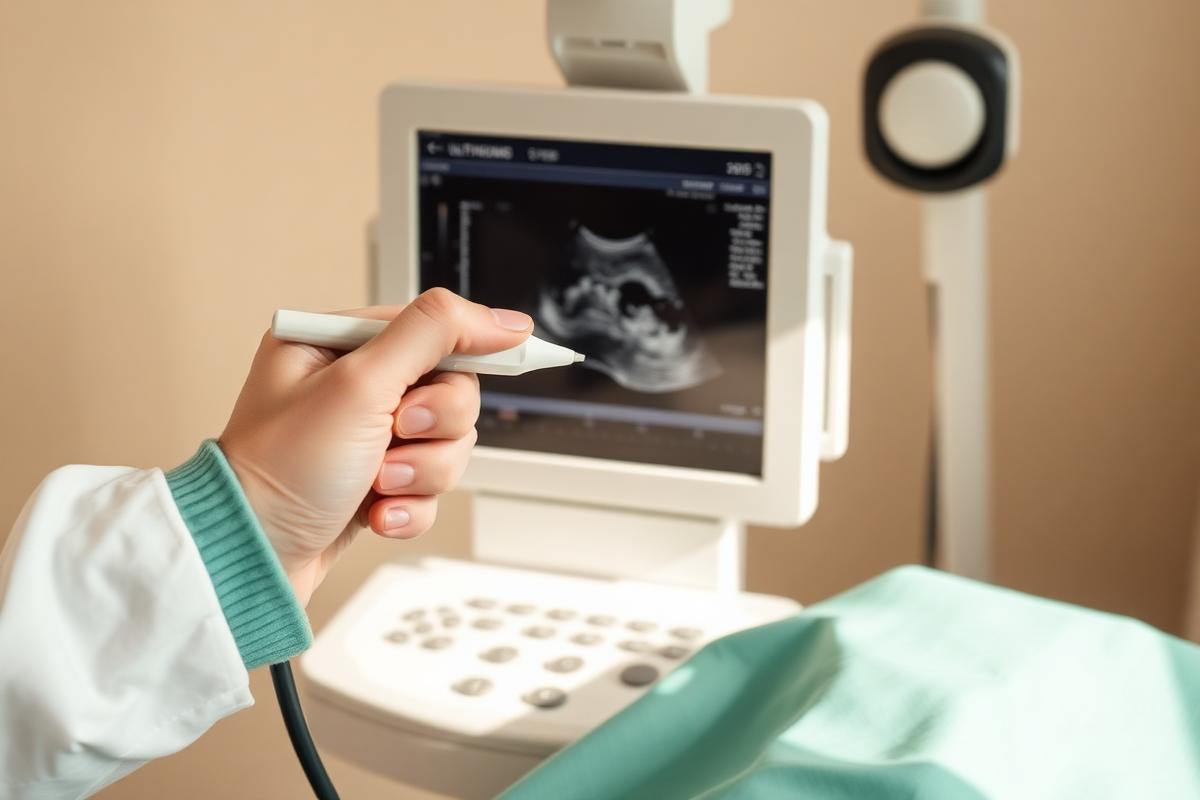
- Follicle Monitoring — Regular transvaginal ultrasound scans (typically starting around day 8-10 of your cycle) track follicle growth and endometrial lining development. This helps determine the optimal timing for the trigger shot.
- Ovulation Trigger — Once follicles reach a mature size (e.g., 18-20 mm), an injection of hCG (human chorionic gonadotropin) is administered to trigger final egg maturation and ovulation.
- Sperm Preparation — On the day of IUI, your partner will provide a sperm sample (or donor sperm is thawed). This sample undergoes a "sperm wash" procedure in the lab to concentrate the healthiest, most motile sperm and remove seminal fluid.
- The IUI Procedure — Approximately 24-36 hours after the trigger shot, the prepared sperm are gently introduced into your uterus using a thin, flexible catheter. It's usually a quick, comfortable process.
- Post-Procedure Care — You might be advised to take progesterone supplements to support the uterine lining. A pregnancy test is typically performed about two weeks later.
07Costs and Accessibility in India
One of the reasons IUI is often considered an initial step is its relative affordability compared to IVF. In India, the cost of a single IUI cycle, including medication, monitoring, and the procedure itself, typically ranges from INR 10,000 to INR 25,000. This can vary based on the clinic, the type and dosage of medication required, and whether donor sperm is used. While this is significantly less than IVF, it's important to factor in the potential need for multiple cycles.
Accessibility is good across major cities like Hyderabad, with many fertility clinics offering IUI. However, choosing a reputable clinic with experienced specialists and a good embryology lab for sperm preparation is crucial. Remember, the cheapest option isn't always the best when it comes to something as sensitive as fertility treatment.
08Lifestyle Considerations and Enhancing Your Chances
While IUI handles the direct placement of sperm, your overall health and lifestyle play a significant role in improving your chances of conception. I always advise my patients, especially those in Hyderabad, to focus on these aspects:
- Healthy Diet — A balanced diet rich in fruits, vegetables, lean proteins, and whole grains, and low in processed foods, is beneficial for both partners. Think traditional Indian meals with fresh, seasonal ingredients.
- Maintain a Healthy Weight — Being overweight or underweight can impact fertility and the success of treatments. Even a 5-10% weight loss can significantly improve outcomes for those who are overweight.
- Regular Exercise — Moderate exercise is encouraged. Avoid excessive or strenuous activity, which can sometimes negatively impact ovulation.
- Stress Management — Fertility journeys can be incredibly stressful. Incorporate stress-reducing activities like yoga, meditation, spending time in nature (perhaps at KBR Park!), or counselling.
- Avoid Smoking and Excessive Alcohol — These can significantly impair fertility in both men and women.
- Adequate Sleep — Ensure you are getting 7-8 hours of quality sleep each night.
These lifestyle changes are not just for IUI; they form a strong foundation for any fertility journey and overall well-being. They empower you to actively participate in your treatment success.
Want a personalised plan based on your reports?
Consult Dr. Sana by video from home — anywhere in India or abroad. Share your reports in advance and receive a written plan. No referral required.
Sources
- Indian Council of Medical Research — National ART Guidelines and the ART (Regulation) Act, 2021
- ESHRE — European Society of Human Reproduction and Embryology, clinical practice guidelines
- NICE CG156 — Fertility problems: assessment and treatment
- Royal College of Obstetricians and Gynaecologists — patient information and guidelines