Experiencing a failed IVF cycle can feel like a profound heartbreak, a crushing blow to your hopes and dreams of parenthood. I understand the emotional turmoil, the grief, and the questions that flood your mind during this incredibly difficult time. As your fertility consultant, my role is not just to guide you through treatment, but also to support you in processing these outcomes and strategising the path forward.
01Acknowledge and Allow Yourself to Grieve (Days 1-7)
The initial days following a negative pregnancy test are often the hardest. It's crucial to acknowledge the emotional weight of this moment. You've invested so much – physically, emotionally, financially – into this cycle, and it's perfectly normal to feel a range of intense emotions: sadness, anger, disappointment, and even a sense of injustice. Please allow yourself the space and time to grieve this outcome. Suppressing these feelings can be detrimental to your mental well-being.
During this first week, focus on self-care. This might mean taking a break from social media, spending time with understanding loved ones, engaging in gentle activities you enjoy, or simply allowing yourself to rest. Many of my patients find solace in talking to their partners, family, or close friends. Remember, it's not a failure on your part; it's an unsuccessful treatment attempt, and that's a significant distinction. Reaching out to a counsellor specialising in fertility can also provide invaluable support during this period of adjustment.
02The Crucial Post-Cycle Consultation (Days 7-14)
Once you've had a few days to process the initial shock, the next critical step is to schedule a post-cycle consultation with your fertility specialist. This appointment, ideally within the first two weeks of the failed cycle, is not about blaming anyone or dwelling on what went wrong, but rather about gathering information. A failed IVF cycle is not an end point; it is a rich source of data that helps us understand your unique physiology better and refine our strategy for future attempts. My approach is always to view each cycle as a diagnostic tool.
During this consultation, we will meticulously review every aspect of your recent cycle. We'll look at:
- Your ovarian response to stimulation — Were the number and quality of eggs optimal? Did we use the right protocol and medication dosages?
- Sperm parameters — Was there any new information from the sperm preparation or fertilisation process?
- Fertilisation rates — How many eggs fertilised successfully? Were there any issues with fertilisation?
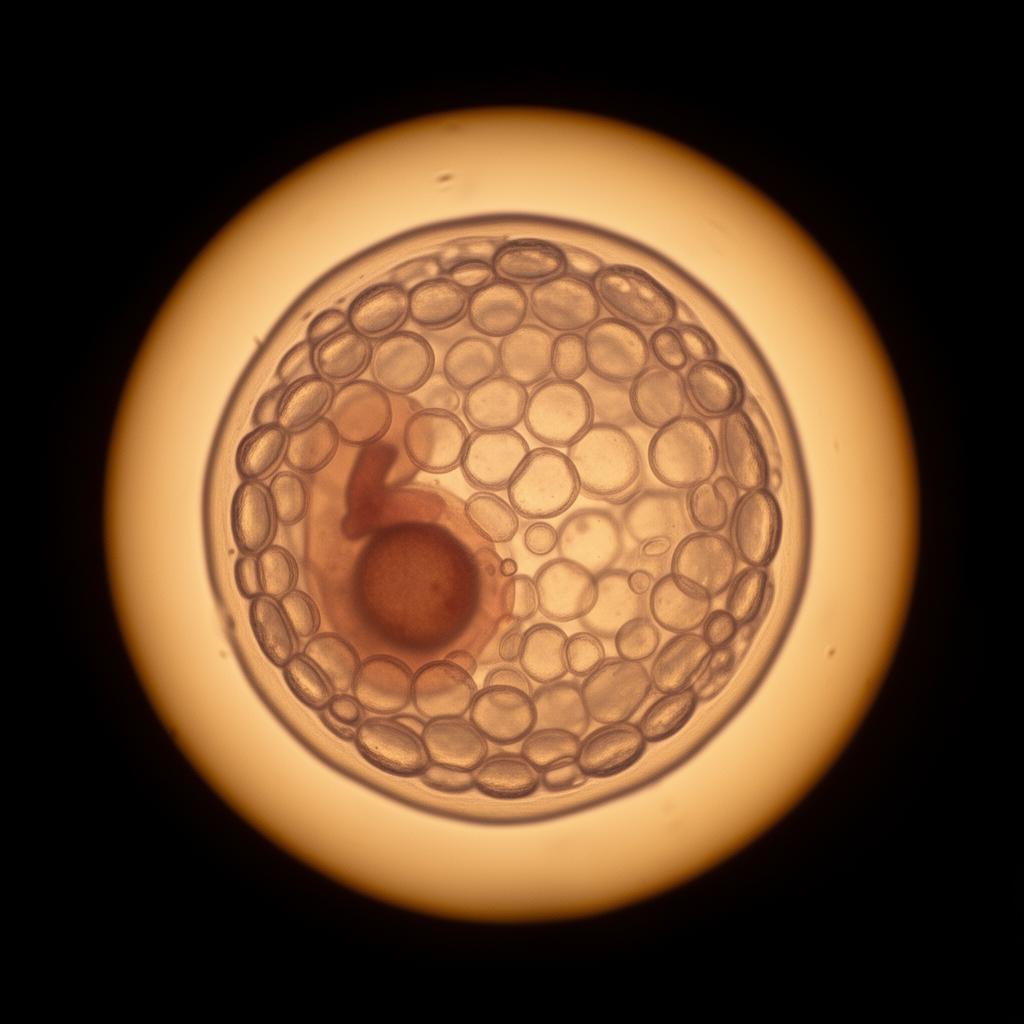
- Embryo development and quality — How did the embryos progress in the lab? Were there any concerns about their grading or growth kinetics?
- Endometrial receptivity — How did your uterine lining appear? Were there any concerns during the transfer?
- The transfer process itself — Was it straightforward, or were there any technical challenges?
We will discuss potential contributing factors and whether any of these elements suggest a need for adjustments or further investigations. This evidence-based discussion is vital for designing your next steps.
03Reassessing Your Situation: What Information Did We Gain? (Days 14-21)
Based on our post-cycle consultation, we can often identify specific areas that warrant further exploration. This is where the 'information' from a failed cycle truly becomes actionable. Here are some common avenues we might consider:
For Ovarian Response and Egg Quality:
If egg quality or quantity was a concern, we might consider:
- Adjusting stimulation protocols — Different medications, dosages, or antagonist/agonist protocols.
- Supplementation — Discussing evidence-based supplements that might support egg quality, though it's important to be realistic about their impact.
- Lifestyle modifications — Reinforcing the importance of a healthy diet, regular exercise, managing stress, and avoiding toxins for both partners.
For Fertilisation Issues:
If fertilisation rates were low, we might explore:
- ICSI (Intracytoplasmic Sperm Injection) — If not already used, this is often the go-to for male factor infertility or previous fertilisation failure.
- PICSI (Physiological ICSI) or other advanced sperm selection techniques: In specific cases, these might offer benefits.
For Embryo Development and Quality:
When embryo development falters, possibilities include:
- Preimplantation Genetic Testing for Aneuploidies (PGT-A) — If you've had multiple good-quality embryos that didn't implant, PGT-A can help identify chromosomally normal embryos for transfer, significantly improving implantation rates and reducing miscarriage risk. This is particularly relevant for women of advanced reproductive age. The cost for PGT-A in India typically ranges from INR 30,000 to INR 60,000 per embryo, depending on the clinic and number of embryos.
- Extending culture to blastocyst stage — If embryos arrest before day 5/6, culturing to blastocyst helps select the most robust embryos.
- Advanced culture media or lab environment assessment — Though less common, ensuring optimal lab conditions is paramount.
For Endometrial Receptivity and Implantation Issues:
A receptive uterus is paramount. We might consider:
- Endometrial Receptivity Analysis (ERA) — This test helps pinpoint your individual 'window of implantation,' ensuring the embryo transfer occurs at the optimal time. The cost for ERA in Hyderabad can range from INR 25,000 to INR 45,000.
- Hysteroscopy — To directly visualise and rule out any polyps, fibroids, or adhesions within the uterine cavity that might impede implantation. This is an outpatient procedure, often costing between INR 15,000 to INR 30,000.
- Saline Infusion Sonohysterography (SIS) — A less invasive way to assess the uterine cavity.
- Immunological factors — In rare cases of recurrent implantation failure, further blood tests for immunological markers might be considered, though evidence for widespread benefit remains debated.
- Thrombophilia screening — To check for clotting disorders that could affect uterine blood flow, especially if there's a history of recurrent miscarriage.
04Mental and Physical Recuperation (Days 21-30)
As we formulate a plan, it's equally important to focus on your overall well-being. Physically, your body needs time to recover from the hormonal stimulation and procedures of the IVF cycle. This period allows your ovaries to return to their normal state and your menstrual cycle to regulate. Emotionally, continuing to manage stress and maintaining a positive outlook, difficult as it may be, is crucial. Techniques such as mindfulness, yoga, or spending time in nature can be incredibly beneficial.
Nutrition plays a vital role. Focus on a balanced, anti-inflammatory diet rich in fruits, vegetables, whole grains, and lean proteins. Adequate sleep and hydration are non-negotiable. If you're based in Hyderabad, consider exploring local options for stress reduction like guided meditation classes or simply enjoying a quiet evening walk around KBR Park.
05Considering a Repeat Cycle and Financial Planning
Once we have thoroughly reviewed all the information and you've had time to physically and emotionally recuperate, we can discuss the optimal timing for your next IVF cycle. This is a highly individual decision. Some patients feel ready to proceed after a few months, while others might need a longer break. It's about finding the right balance between medical advice and your personal readiness.
Financially, preparing for another cycle is a significant consideration. IVF costs in India can vary widely, but a standard cycle at a reputable clinic in Hyderabad typically ranges from INR 1,50,000 to INR 2,50,000, excluding medication and advanced procedures. It's essential to understand the full financial commitment and explore options such as EMI plans offered by many clinics, or specific fertility insurance policies if available and suitable for your situation. The ART Act 2021 has brought certain regulations, but it hasn't significantly altered the cost structures for patients.
Sometimes, despite our best efforts and multiple cycles, IVF may not lead to success. In such challenging situations, it's important to openly discuss alternative paths to parenthood, such as donor eggs, donor sperm, or exploring adoption. These are deeply personal decisions, and I am here to guide you through understanding all available options with empathy and comprehensive information.
A failed IVF cycle is undeniably painful, but it is also an opportunity to learn, adjust, and approach your journey with renewed insight and a refined strategy. Remember, you are not alone in this; my team and I are here to support you every step of the way.
Want a personalised plan based on your reports?
Consult Dr. Sana by video from home — anywhere in India or abroad. Share your reports in advance and receive a written plan. No referral required.
Sources
- Indian Council of Medical Research — National ART Guidelines and the ART (Regulation) Act, 2021
- ESHRE — European Society of Human Reproduction and Embryology, clinical practice guidelines
- NICE CG156 — Fertility problems: assessment and treatment
- Royal College of Obstetricians and Gynaecologists — patient information and guidelines