
When a couple embarks on the emotionally charged journey of infertility investigation, there's often a preconception that the 'problem' lies with the woman. However, as a fertility specialist at Apollo Fertility, Hyderabad, I frequently counsel patients that male factor infertility is a significant contributor, accounting for almost half of all cases we see. Understanding this crucial aspect is the first step towards tailoring an effective and compassionate treatment plan.
01Understanding Male Factor Infertility: More Common Than You Think
It's a common misconception that infertility is primarily a 'female problem'. My clinical experience, and indeed global statistics, clearly show that male factor infertility is responsible for about 30-40% of all infertility cases, and contributes to another 10-20% in combination with female factors. This means that in nearly half of the couples seeking fertility assistance, the sperm plays a significant, if not primary, role. The sooner we acknowledge this, the sooner we can focus on appropriate diagnostics and treatment strategies.
Often, the initial diagnosis of male factor infertility comes as a surprise to many men. There's sometimes a societal reluctance to discuss male reproductive health openly, leading to delays in seeking help. My role is to demystify this, offering clear, empathetic explanations and ensuring both partners feel supported throughout the process. It's not about blame; it's about identifying the root cause to achieve the shared dream of parenthood.
02Diagnosing Male Factor Infertility: Beyond the Basics
The cornerstone of male fertility assessment is the semen analysis. This simple, non-invasive test provides invaluable information about sperm count, motility (how well they move), and morphology (their shape). At our clinic in Kondapur, we ensure this is conducted in a specialised andrology lab, adhering to stringent WHO guidelines, as accurate interpretation is critical. A single abnormal test doesn't necessarily mean irreversible infertility; sometimes lifestyle modifications or further investigations are warranted.
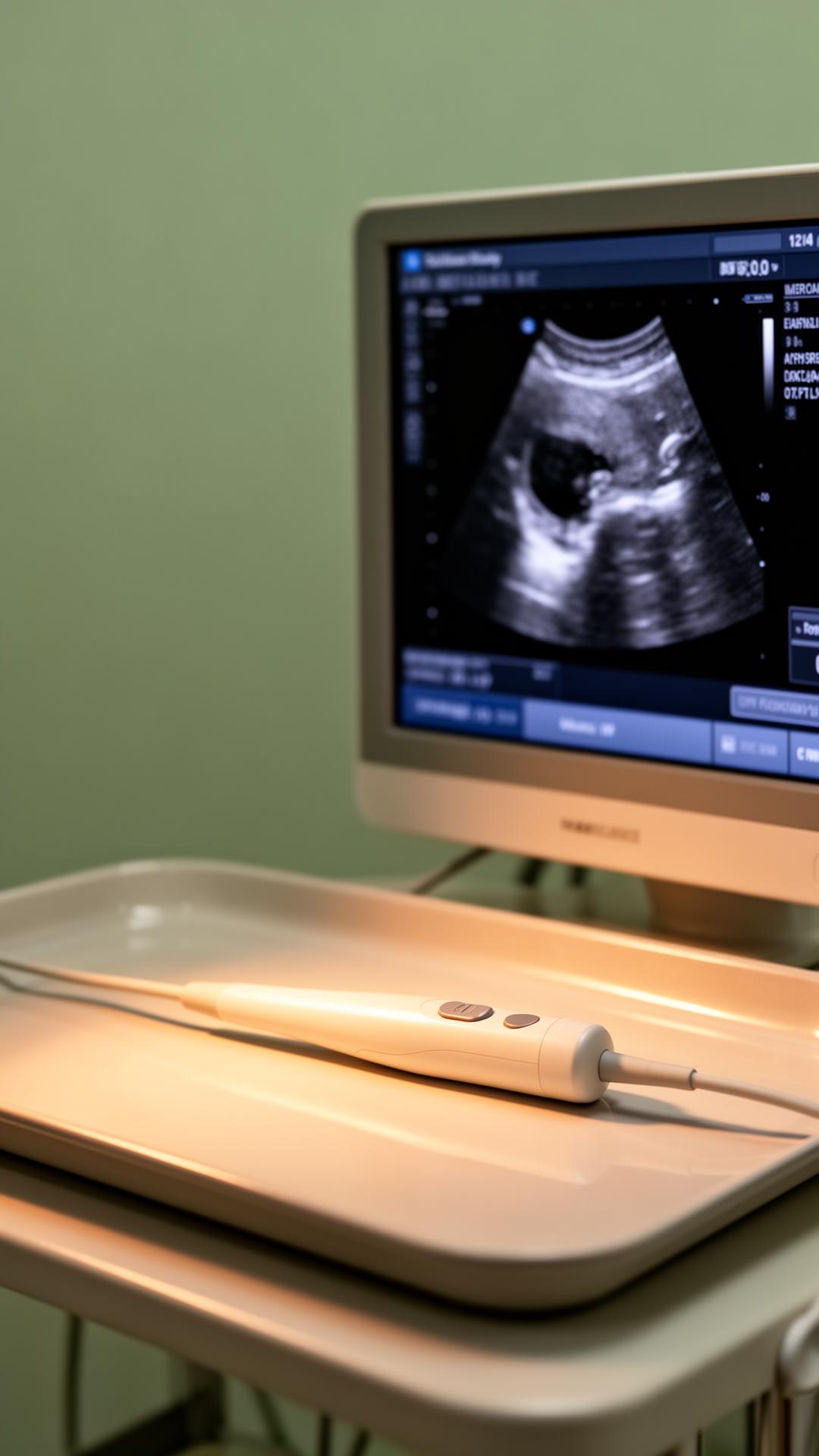
Beyond the basic semen analysis, my diagnostic approach for male factor infertility can involve several steps, tailored to the individual. These might include hormonal assays (testing for FSH, LH, testosterone, prolactin), scrotal ultrasonography to check for conditions like varicocele, and sometimes even genetic testing (e.g., karyotyping, Y chromosome microdeletion analysis) if severe sperm issues are present. For cases of zero sperm count (azoospermia), further evaluations are essential to differentiate between obstructive and non-obstructive causes, guiding potential sperm retrieval procedures.
03When IVF Becomes the Path: Tailoring for Male Factor
When male factor infertility is significant, often characterised by very low sperm count, poor motility, or abnormal morphology, conventional treatments like timed intercourse or IUI (intrauterine insemination) may have very limited success rates. This is precisely when In Vitro Fertilisation (IVF) steps in as a highly effective solution. IVF, in combination with advanced techniques, allows us to overcome even severe male factor challenges.
The beauty of IVF in male factor cases lies in its ability to bring the sperm and egg together under controlled laboratory conditions, bypassing many of the natural barriers that compromised sperm might face in the female reproductive tract. This direct approach significantly enhances the chances of fertilisation and subsequent embryo development. My patients often find comfort in understanding that we are actively facilitating the process where natural conception is challenged.
04ICSI: The Game Changer for Male Factor IVF
Intracytoplasmic Sperm Injection, or ICSI, is arguably the most significant advancement in IVF for male factor infertility. Instead of merely placing sperm and eggs in a dish (standard IVF), with ICSI, a single, healthy sperm is carefully selected and directly injected into each mature egg using a fine needle. This technique dramatically increases fertilisation rates, especially in cases where sperm quantity or quality is severely compromised.
ICSI is routinely recommended for almost all male factor cases undergoing IVF. This includes conditions like severe oligoasthenoteratozoospermia (very low count, motility, and abnormal morphology), prior fertilisation failure in conventional IVF, or in cases where sperm has been surgically retrieved from the testes or epididymis. It's a precise procedure that has transformed the field of treating male infertility, offering hope where little existed before.
05Surgical Sperm Retrieval: Finding the Few
For men with azoospermia (absence of sperm in the ejaculate), surgical sperm retrieval techniques offer a pathway to biological parenthood. These procedures are performed under anaesthesia by a urologist or fertility surgeon and involve extracting sperm directly from the epididymis or testes.
Common surgical sperm retrieval methods include: - PESA (Percutaneous Epididymal Sperm Aspiration): Sperm is aspirated from the epididymis using a needle. - TESA (Testicular Sperm Aspiration): Sperm is aspirated directly from the testicle. - MESA (Micro-epididymal Sperm Aspiration): Involves a microscopic incision to retrieve epididymal sperm. - TESE (Testicular Sperm Extraction): A small piece of testicular tissue is biopsied to extract sperm.
The retrieved sperm, often very few in number and sometimes immotile, are almost exclusively used with ICSI, as their direct injection into the egg is necessary for fertilisation. The choice of procedure depends on whether the azoospermia is obstructive or non-obstructive, a distinction we ascertain through thorough diagnostic work-up. These procedures are usually performed on the same day as egg retrieval, ensuring fresh sperm availability for ICSI.
06Cost Considerations and the ART Act 2021 in India
Understanding the financial aspects is a practical and important part of any fertility journey. In India, the cost of an IVF cycle with ICSI for male factor infertility can range broadly, typically from INR 1,50,000 to INR 3,50,000 or more, depending on the clinic, the city (Hyderabad clinics are generally competitive), and the specific medications and procedures required. If surgical sperm retrieval (like TESA/TESE) is needed, this would be an additional cost, usually ranging from INR 30,000 to INR 80,000.
It's important for my patients to understand that these figures often do not include the cost of pre-cycle diagnostics, freezing extra embryos, or subsequent frozen embryo transfers (FETs). My team and I provide a transparent breakdown of costs so there are no surprises. Furthermore, the Assisted Reproductive Technology (Regulation) Act, 2021, and its subsequent rules, govern all IVF procedures in India, ensuring ethical practices, patient safety, and regulated clinic operations. This legal framework provides an added layer of assurance for couples undergoing ART in India.
07Lifestyle and Support: A Holistic Approach
While medical interventions like IVF and ICSI are critical, I always emphasise the importance of lifestyle modifications for both partners, even when male factor infertility is the primary concern. A healthy diet rich in antioxidants, regular moderate exercise, avoiding smoking and excessive alcohol, and managing stress can positively impact sperm quality. Specific nutritional supplements, such as CoQ10, L-carnitine, and zinc, might be recommended after evaluation, though their impact can vary.
Emotional support is paramount throughout this journey. Infertility can be profoundly stressful, and having a strong support system – be it family, friends, or professional counselling – makes a significant difference. At Apollo Fertility, Hyderabad, we encourage couples to attend counselling sessions together, fostering open communication and mutual understanding, ensuring both partners feel equally involved and supported.
08What Lies Ahead: A Personalised Path to Parenthood
Every couple's journey is unique, and so is their treatment plan. When male factor is the driver for IVF, my focus is on leveraging the most appropriate technologies – from precise diagnostics to advanced ICSI and surgical sperm retrieval – to maximise your chances of success. It's a scientific process, but one delivered with profound empathy and personalised care.
I believe in equipping my patients with knowledge and empowering them to make informed decisions. Rest assured, if male factor infertility is part of your story, we have robust, evidence-based solutions to navigate this path together, bringing you closer to your dream of starting or expanding your family.
Want a personalised plan based on your reports?
Consult Dr. Sana by video from home — anywhere in India or abroad. Share your reports in advance and receive a written plan. No referral required.
Sources
- Indian Council of Medical Research — National ART Guidelines and the ART (Regulation) Act, 2021
- ESHRE — European Society of Human Reproduction and Embryology, clinical practice guidelines
- NICE CG156 — Fertility problems: assessment and treatment
- Royal College of Obstetricians and Gynaecologists — patient information and guidelines