Understanding Mini-IVF protocol differences begins with a reassuring truth: more medication is not always better, and less medication is not automatically gentler in every meaningful way. If you are comparing fertility treatments, you may wonder whether your body needs a lighter approach or a conventional stimulation cycle. I help patients look beyond these labels to understand what each option may offer, what it cannot guarantee, and how it fits their priorities.
In my practice, choosing an IVF protocol is not a contest between “natural” and “medical”. Both mini-IVF and traditional IVF involve medical treatment. The aim is to personalise care around your ovarian reserve, age, previous treatment response, health, and family-building plans.
What changes between mini-IVF and traditional IVF?
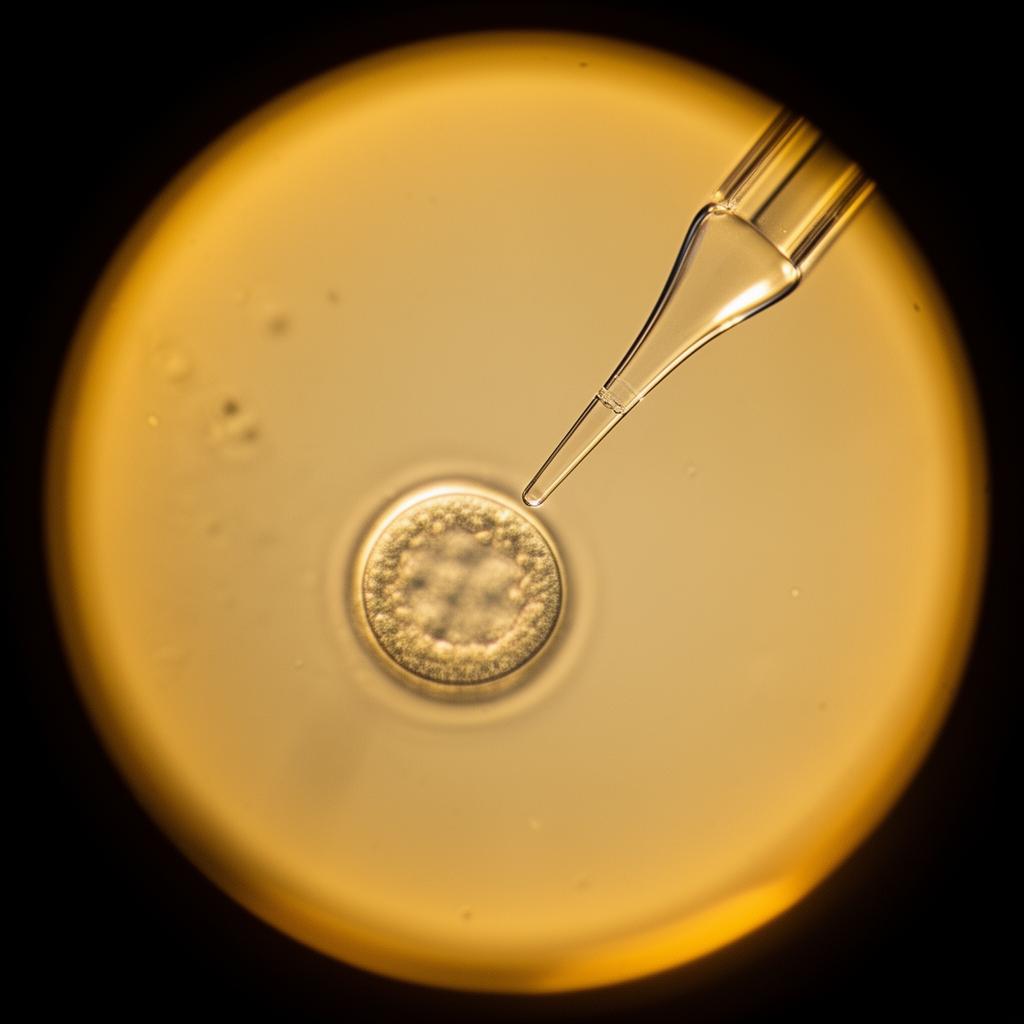
IVF, or in vitro fertilisation, involves collecting eggs, fertilising them in a laboratory, and transferring an embryo into the uterus. The main difference between mini-IVF and traditional IVF is how we stimulate the ovaries before egg collection.
Traditional IVF generally uses injectable fertility hormones to encourage several follicles to develop together. Follicles are small fluid-filled sacs in the ovaries that may contain eggs. The treatment aims to obtain a suitable group of eggs while keeping safety central.
Mini-IVF, also called minimal or mild stimulation IVF, generally uses less stimulation medication. It may combine oral medicines with lower amounts of injectable hormones, although approaches vary between clinics. There is no single universally standardised mini-IVF recipe, so I encourage patients to ask exactly what their proposed protocol includes.
The expected egg yield is usually lower with mini-IVF. However, neither approach guarantees a particular number of mature eggs, fertilised eggs, or usable embryos.
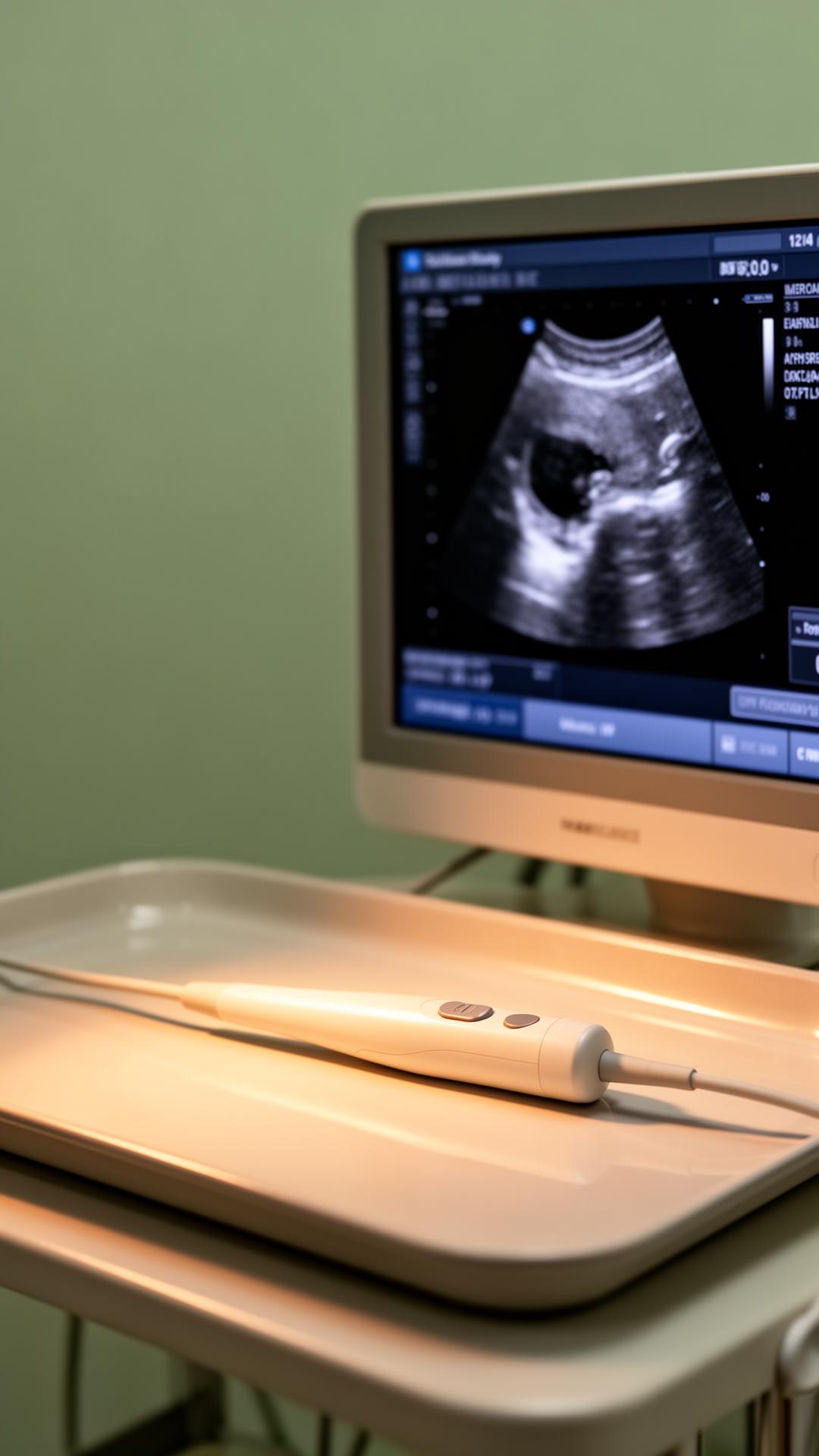
Both approaches typically still require: - Ultrasound monitoring, sometimes alongside blood tests. - Medication to support egg maturation and timed egg collection. - Laboratory fertilisation and embryo culture. - Decisions about embryo transfer, freezing, and hormonal support.
Mini-IVF is therefore not the same as natural-cycle IVF, which usually follows the single follicle selected by the body with little or no stimulation.
How I assess which approach may suit you
I start with the person, not the protocol. Your age helps frame expectations about egg quality, while ovarian reserve tests help estimate how your ovaries may respond to stimulation.
AMH, or anti-Müllerian hormone, is a blood marker associated with the pool of small follicles in the ovaries. An antral follicle count is the number of small follicles visible on ultrasound. Neither test directly measures egg quality or tells us with certainty whether you will become pregnant.
I also consider: - Your response to any previous fertility treatment. - Whether you hope for one child or are planning a larger family. - Sperm factors and any known fertilisation difficulties. - Conditions such as endometriosis or polycystic ovary syndrome. - Your emotional bandwidth, finances, and comfort with injections.
Mini-IVF may be reasonable for some patients with low ovarian reserve, particularly when higher stimulation has previously produced few eggs. In that situation, increasing medication may not meaningfully increase the response. However, low AMH alone does not automatically make mini-IVF the best choice.
Traditional IVF may be preferable when obtaining more eggs in one collection is a priority, including some fertility-preservation or embryo-banking situations. For patients likely to respond strongly, I individualise medication and safety measures rather than assuming a standard high-stimulation approach is appropriate.
Comparing chances, safety, and treatment burden
The most useful question is not simply, “Which protocol has the better pregnancy rate?” It is, “Which approach offers a reasonable chance of a live birth for my circumstances, across the treatment I may need?”
More eggs can provide more opportunities to create embryos, but quantity does not guarantee quality. Equally, fewer eggs obtained with mild stimulation are not automatically healthier. Age, sperm quality, laboratory performance, and individual biology all matter.
When reviewing clinic results, I encourage patients to distinguish outcomes per embryo transfer from outcomes per started treatment cycle. A transfer-based figure does not reflect patients who never reached transfer. Cumulative outcomes, including transfers from frozen embryos, can provide a more complete picture.
Traditional stimulation can cause bloating and discomfort. Ovarian hyperstimulation syndrome, or OHSS, is an excessive ovarian response that can occasionally become serious. Mild stimulation may reduce this risk, but modern conventional protocols also offer effective risk-reduction strategies, including carefully chosen trigger medication and freezing embryos when appropriate.
Mini-IVF may mean fewer injections and lower medication expenses in an individual cycle. Nevertheless, monitoring, egg collection, and laboratory costs remain. If several collections are needed, overall expenses and emotional demands may increase. I therefore discuss the likely treatment journey, not just the first cycle.
The risk of multiple pregnancy depends largely on how many embryos are transferred, rather than whether stimulation was mild or conventional.
Laboratory care and whole-person preparation matter too
Stimulation is only one part of IVF. With either approach, we need appropriate sperm assessment, skilled embryology, and a thoughtful embryo-transfer plan.
ICSI, or intracytoplasmic sperm injection, involves placing one sperm directly into an egg. It may help when there are significant sperm-related problems or previous fertilisation failure, but mini-IVF itself is not a reason to use ICSI routinely.
Similarly, PGT-A, a test that checks embryos for chromosome-number abnormalities, is not automatically necessary with either protocol. Its potential benefits, limitations, and implications when few embryos are available need individual discussion.
My 360-degree approach also includes preconception preparation: reviewing medical conditions and medicines, correcting identified deficiencies, and supporting balanced nutrition, sleep, and sustainable movement. Yoga, breathing practices, and counselling can help patients manage treatment-related distress; they do not replace fertility treatment or guarantee better embryos.
For patients interested in naturopathy, I discuss each practice openly and check its safety. “Natural” supplements can interact with medicines, and restrictive diets or unverified fertility remedies may do more harm than good.
Key takeaways
Mini-IVF and traditional IVF differ mainly in stimulation intensity and expected egg yield, not in how much you deserve careful, comprehensive care. I choose between them by considering ovarian reserve, age, previous response, safety, and your longer-term goals. A lighter protocol may suit some patients; others may benefit from aiming for more eggs in one collection. Neither approach promises pregnancy. The right plan combines realistic expectations, evidence-based treatment, good laboratory care, and compassionate support for your physical and emotional wellbeing.
To schedule your personalized consultation with Dr. Munawwer Sana at Apollo Fertility in Kondapur, Hyderabad, or to arrange an online telehealth video consultation, click here to book your appointment.
Want a personalised plan based on your reports?
Book an online consultation with Dr. Sana, or see her at Apollo Fertility, Kondapur (Mon, Tue, Wed, Thu & Sat, 1:00 PM – 6:00 PM). No referral required.
References & clinical guidelines
- Indian Council of Medical Research — National ART Guidelines and the ART (Regulation) Act, 2021
- ESHRE — European Society of Human Reproduction and Embryology, clinical practice guidelines
- NICE CG156 — Fertility problems: assessment and treatment
- Royal College of Obstetricians and Gynaecologists — patient information and guidelines