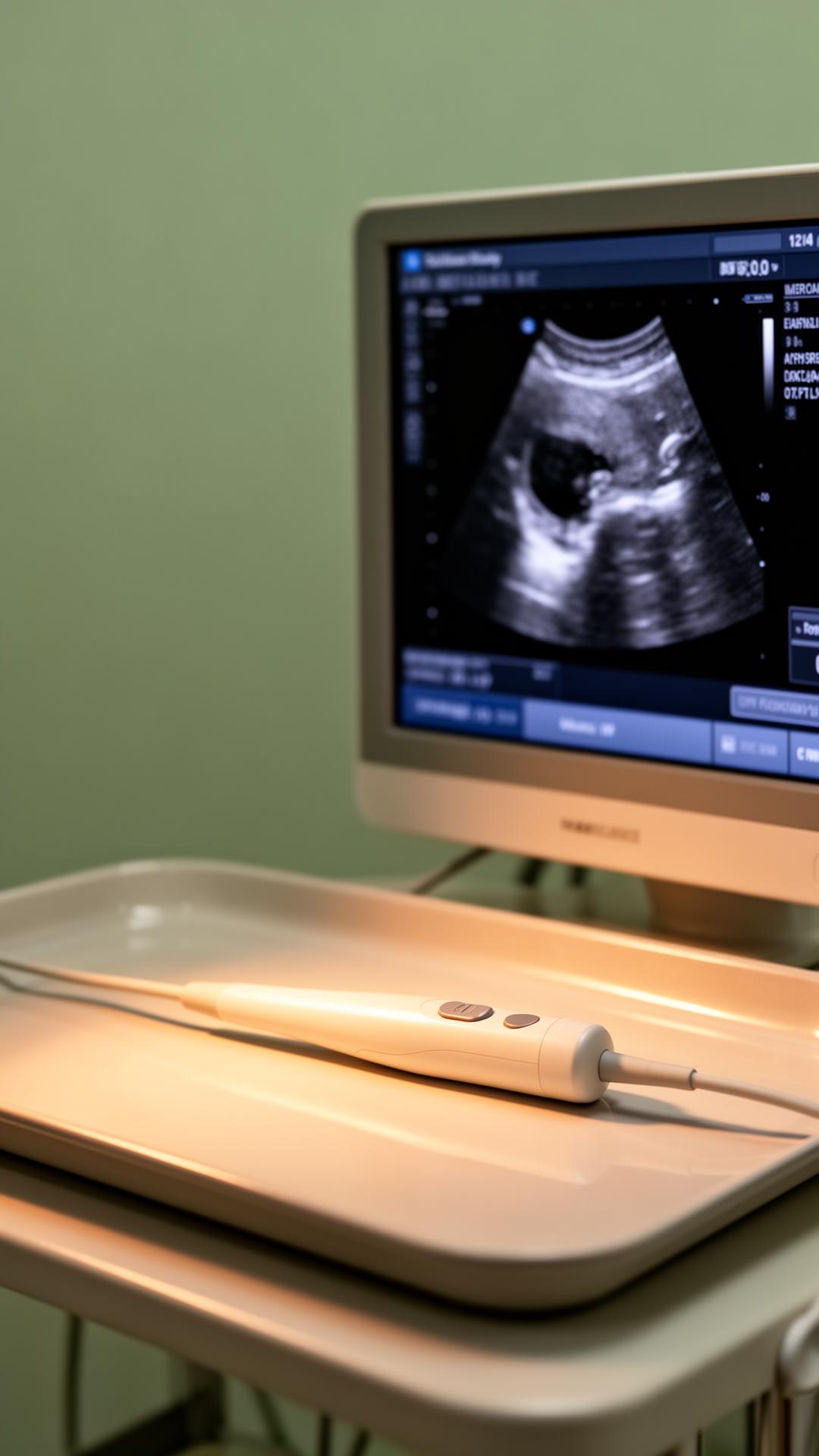
Fertility treatment over 35 can feel like a race against time, especially when every conversation seems to include a warning about your “biological clock”. I prefer a more useful starting point: age matters, but it is not your entire fertility story. Understanding what is happening in your body, assessing both partners where relevant, and choosing treatment thoughtfully can help you move forward with greater clarity.
In my practice at Apollo Fertility, Kondapur, Hyderabad, I meet women who worry they have already missed their chance. My approach combines evidence-based reproductive medicine with nutrition, movement and emotional support. The aim is not to promise pregnancy, but to optimise your chances without unnecessary delays, investigations or treatments.
What changes after 35, and when should you seek help?
Fertility does not suddenly disappear on your thirty-fifth birthday. However, both the number of available eggs and their likelihood of producing a chromosomally healthy embryo decline with age. This decline generally becomes more pronounced through the late thirties and forties. Miscarriage risk also rises, largely because chromosome abnormalities become more common in eggs.
Regular periods do not necessarily mean that egg quality or ovarian reserve is unchanged. Equally, being over 35 does not automatically mean you need IVF. Some women conceive naturally; others benefit from treating an identifiable problem or moving sooner to assisted reproduction.
I generally recommend a fertility evaluation after six months of trying if you are 35 or older. Above 40, an earlier discussion is advisable rather than waiting. Seek assessment sooner at any age if periods are irregular or absent, or there is known endometriosis, previous pelvic infection, ovarian surgery, recurrent pregnancy loss or a suspected sperm problem.
These timelines guide assessment, not pressure you into treatment. An early consultation can simply establish whether continued natural attempts are reasonable.
Start with the right assessment, not every available test
A useful fertility assessment answers specific questions: Are you ovulating? Are the fallopian tubes open? Is the uterus suitable for implantation? What is the likely response to fertility medication? Is sperm contributing to the difficulty?
I review menstrual patterns, previous pregnancies, medical conditions, medicines, operations and family history. Depending on your circumstances, investigations may include:
- A pelvic ultrasound to examine the uterus and ovaries and count small developing follicles.
- AMH, or anti-Müllerian hormone, a blood marker that helps estimate ovarian reserve and likely response to stimulation.
- A fallopian tube patency test when natural conception or insemination is being considered.
- Semen analysis to assess sperm count, movement and shape.
- Targeted blood tests, including thyroid testing when clinically indicated.
AMH is not a direct test of egg quality and cannot reliably predict whether you will conceive naturally. A low result does not mean pregnancy is impossible; a high result does not cancel out age-related changes.
I use 3D ultrasound selectively when a clearer view of the uterine cavity or a suspected structural difference would affect care. Sperm DNA fragmentation testing, sometimes called DFI testing, assesses damage within sperm DNA. It is not routinely necessary for every couple, but may be considered in selected situations.
Choosing treatment that fits your circumstances
The best treatment is not always the most technologically advanced one. I consider your age, duration of infertility, ovarian reserve, tubal health, sperm findings, previous treatment and family-building goals together.
If ovulation is irregular, identifying its cause and using appropriate ovulation-induction treatment may help. For someone with open tubes and suitable sperm parameters, a limited course of IUI, or intrauterine insemination, may be reasonable. This involves placing prepared sperm inside the uterus around ovulation. After 35, particularly as age increases, I discuss whether repeated IUI attempts could consume valuable time.
IVF involves stimulating the ovaries, collecting eggs and fertilising them in a laboratory before transferring an embryo into the uterus. It may be appropriate sooner when tubes are blocked, sperm factors are significant, ovarian reserve is reduced or simpler treatment has not worked. Personalised stimulation aims for an appropriate response while prioritising safety; stronger medication cannot reverse egg ageing.
ICSI means injecting one sperm directly into an egg. It is particularly useful for certain sperm-related problems or previous fertilisation failure, but it is not automatically better than conventional IVF for everyone.
PGT-A screens embryo cells for chromosome number before transfer. It may inform embryo selection in selected cases, but does not improve egg quality, guarantee a healthy baby or necessarily increase the overall chance of birth from an egg collection. I explain its limitations, including mosaic or inconclusive results and the possibility of having no embryo recommended for transfer.
Advanced embryology supports careful fertilisation, embryo culture and freezing. I distinguish these established laboratory practices from add-ons whose benefit remains uncertain. If donor eggs or sperm become relevant, I discuss the medical, emotional and legal implications within India’s ART (Regulation) Act, 2021, and applicable rules.
Support treatment with a practical preconception plan
Fertility care should look beyond the ovaries. My preconception programme includes reviewing existing conditions, medicines, vaccinations and folic acid supplementation, alongside sleep, nutrition and sustainable physical activity.
I encourage balanced meals with vegetables, fruit, pulses, whole grains and appropriate protein sources. Identified deficiencies deserve correction, but expensive “fertility diets” and supplements do not reliably reverse age-related egg changes. Avoiding tobacco and recreational drugs matters for both partners; I also discuss alcohol avoidance and sensible caffeine limits.
Yoga, breathing exercises and counselling can support wellbeing during an emotionally demanding process. They are not substitutes for treatment, and stress is not a reason to blame yourself for infertility. Where patients value naturopathy, I focus on safe lifestyle practices and review herbs or supplements carefully for interactions and uncertain safety.
Key takeaways
Fertility treatment after 35 works best when decisions are timely, individualised and grounded in a complete assessment rather than age or AMH alone. I aim to identify treatable factors, explain the realistic role of each option and avoid both unnecessary escalation and prolonged ineffective treatment. Good laboratory care, appropriate medical protocols and thoughtful preconception support belong together. Above all, you deserve clear information and compassionate care: age may influence the pathway, but it should never define your worth or reduce your care to a number.
To schedule your personalized consultation with Dr. Munawwer Sana at Apollo Fertility in Kondapur, Hyderabad, or to arrange an online telehealth video consultation, click here to book your appointment.
Want a personalised plan based on your reports?
Book an online consultation with Dr. Sana, or see her at Apollo Fertility, Kondapur (Mon, Tue, Wed, Thu & Sat, 1:00 PM – 6:00 PM). No referral required.
References & clinical guidelines
- Indian Council of Medical Research — National ART Guidelines and the ART (Regulation) Act, 2021
- ESHRE — European Society of Human Reproduction and Embryology, clinical practice guidelines
- NICE CG156 — Fertility problems: assessment and treatment
- Royal College of Obstetricians and Gynaecologists — patient information and guidelines