You have reached embryo transfer, and suddenly every small decision can feel important: what to eat, how much to rest, whether to climb stairs, and how to keep anxiety under control. When patients ask me for “Embryo transfer success tips”, I begin with reassurance: implantation is not something you can secure through perfect behaviour. Your job is not to earn a pregnancy by doing everything right.
In my practice, I combine evidence-based fertility care with a 360-degree approach to wellness. Thoughtful nutrition, gentle movement and emotional support can help you navigate treatment, while carefully planned medical care addresses the factors we can influence. Here is how I help patients prepare without unnecessary restrictions or unrealistic promises.
Start with a personalised medical plan
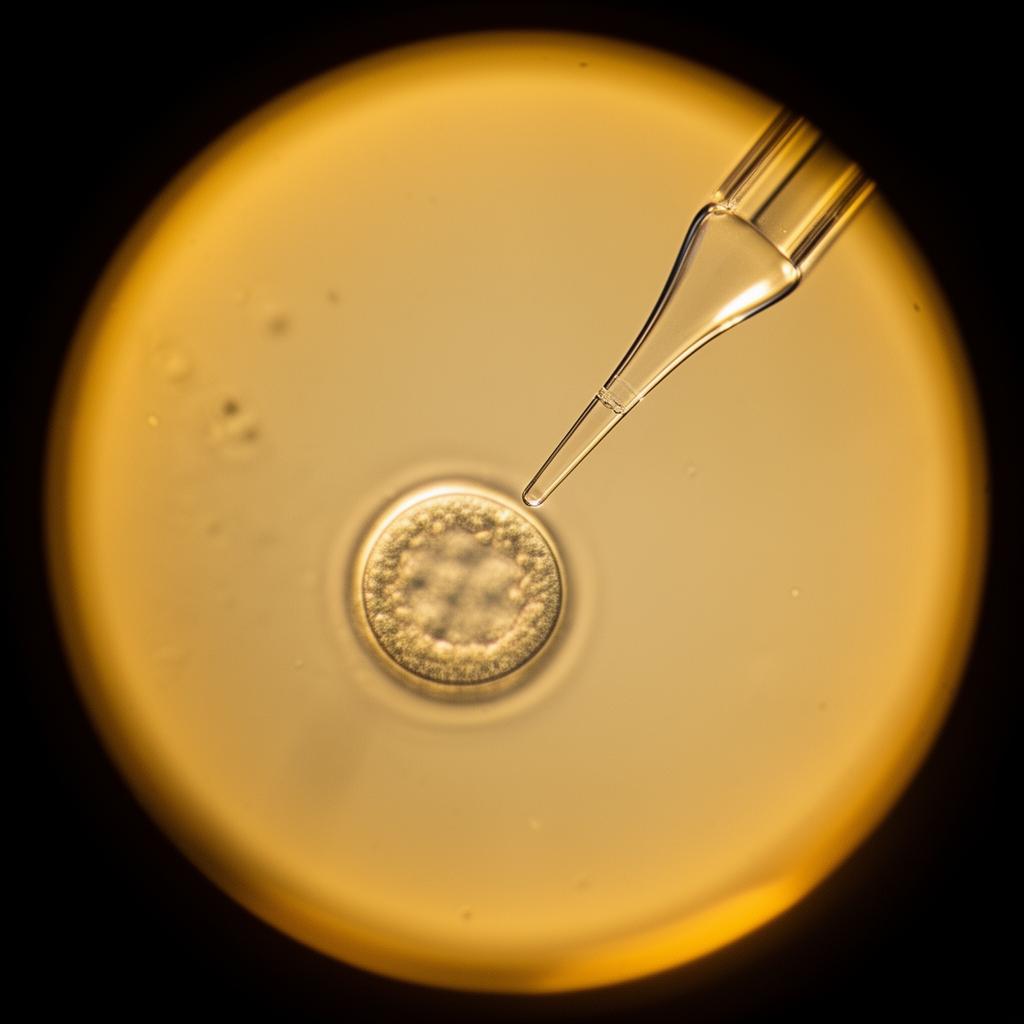
An embryo transfer places an embryo into the uterus through a fine, flexible tube called a catheter. Implantation happens later, if the embryo attaches to the uterine lining and continues developing. A technically smooth transfer matters, but it cannot guarantee implantation.
I review your treatment history, embryo development, uterine health and relevant medical conditions before planning the transfer. Age-related egg quality, embryo characteristics and the timing of the uterine lining all influence the plan. Some patients have a fresh transfer after egg collection; others have a frozen embryo transfer in a later cycle. Neither approach is automatically best for everyone.
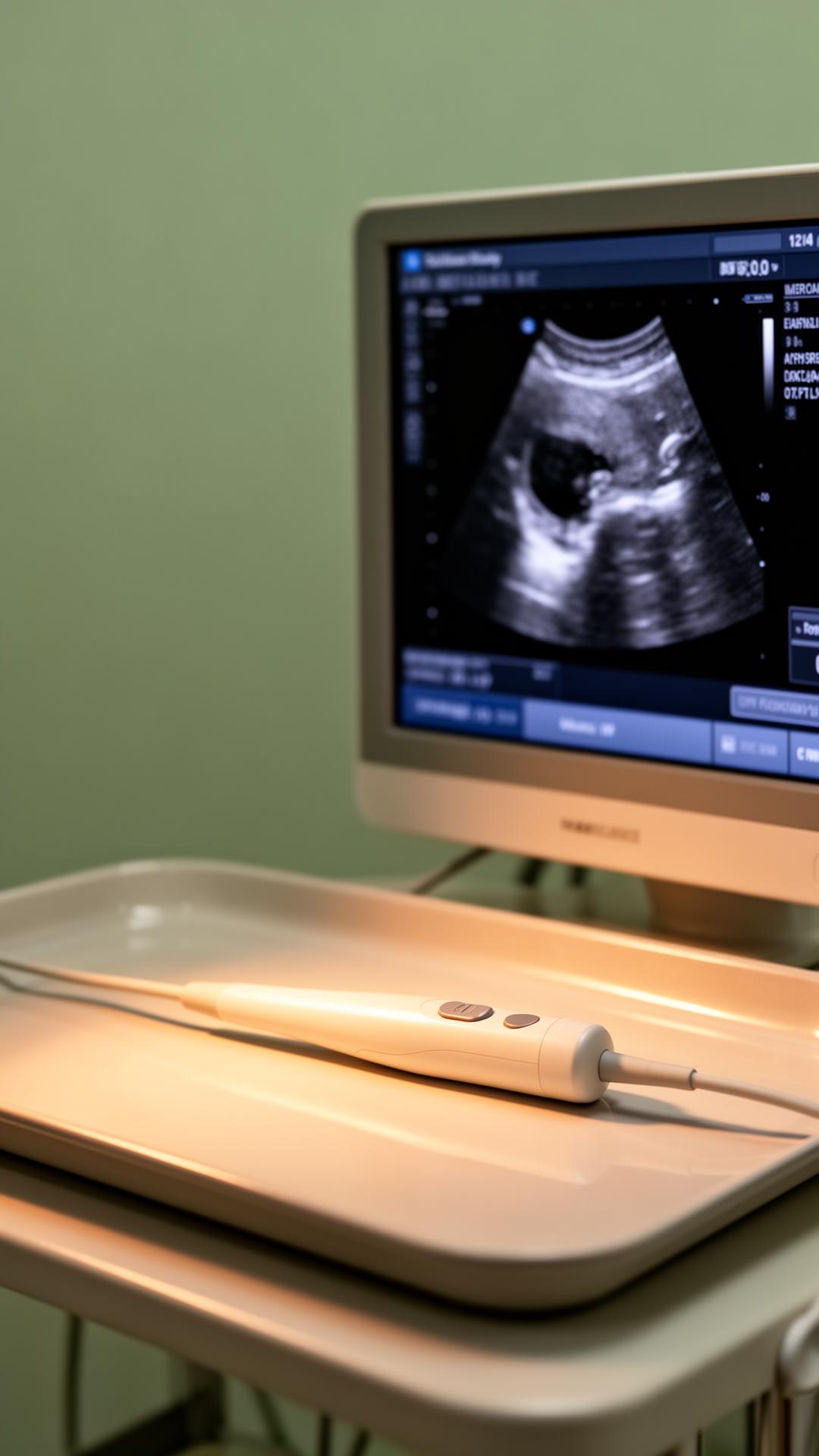
Ultrasound helps me assess the uterus and lining. When indicated, a 3D scan can provide additional detail about the shape of the uterine cavity. Suspected polyps, fibroids affecting the cavity or other concerns may need further assessment. More testing is not always better: I recommend investigations when the findings could meaningfully change care.
Patients sometimes ask whether advanced embryology or PGT-A will ensure success. PGT-A, or preimplantation genetic testing for aneuploidy, checks sampled embryo cells for chromosome-number differences. It may be discussed in selected circumstances, but it has limitations and does not guarantee a healthy pregnancy. I explain the benefits, uncertainties and alternatives before recommending additional procedures.
Get medicines, timing and transfer-day details right
One of the most useful preparations is also the least glamorous: understand your medication schedule. Depending on your protocol, oestrogen may help prepare the lining, while progesterone supports its readiness for implantation. In frozen cycles, matching progesterone exposure or ovulation timing to the embryo’s developmental stage is particularly important.
- Take prescribed medicines at the agreed times and use the correct route, whether oral, vaginal or injectable.
- If you miss a dose, contact your fertility team rather than doubling it yourself.
- Check before starting any supplement, herbal product or over-the-counter medicine.
- Do not stop progesterone because of spotting, cramps or an early home pregnancy test.
- Keep a written schedule or phone reminders if several medicines are involved.
I also review thyroid disease, diabetes, blood pressure and other ongoing conditions when relevant. My preconception programme includes medication review, appropriate nutritional supplementation and attention to general health. These steps support safer treatment and pregnancy preparation; they are not shortcuts to implantation.
On transfer day, follow your clinic’s instructions about food, fluids and bladder filling. A comfortably full bladder is sometimes requested to improve ultrasound visibility. Wear comfortable clothing and allow enough travel time. If you have previously had a difficult examination or transfer, tell me beforehand so we can plan your comfort and procedure carefully.
Nourish your body without chasing implantation foods
There is no proven food that makes an embryo implant. Pineapple, pomegranate, beetroot and particular “warming” foods are not substitutes for medical care. You can enjoy them as part of a balanced diet, but you do not need to force yourself to eat them.
I encourage familiar, sustainable meals rather than a sudden fertility diet. An Indian plate can provide excellent nourishment when it includes vegetables, whole grains and adequate protein.
- Include protein through dal, beans, curd, paneer, tofu, eggs or well-cooked fish and meat, according to your preferences.
- Choose fruit, vegetables and fibre-rich carbohydrates to support digestion.
- Drink water regularly, particularly if progesterone contributes to constipation.
- Continue the folic acid or prenatal supplement advised by your clinician.
- Avoid smoking, tobacco and recreational drugs, and avoid alcohol while trying to conceive and during pregnancy.
Keep caffeine modest and discuss your usual intake with your team. Follow pregnancy food-safety precautions, including avoiding unpasteurised dairy and undercooked animal foods. Avoid crash dieting, detox programmes and fasting regimens around transfer.
My holistic approach includes discussing naturopathy openly, rather than assuming “natural” means safe. Herbal mixtures, concentrated extracts and cleansing treatments may have uncertain safety or interact with medicines. I prioritise nutritional adequacy, sleep and comfort over unproven implantation remedies.
Move gently and protect your emotional wellbeing
An embryo cannot fall out when you stand, walk, cough or use the toilet. Routine bed rest after an uncomplicated transfer is not recommended. Most patients can return to ordinary light activities, guided by their symptoms and clinic advice.
Gentle walking and comfortable movement are reasonable. After egg collection, ovaries may remain enlarged, so vigorous exercise, heavy lifting and twisting movements may need to wait. I individualise advice about intercourse and exercise, particularly if you have pain, bleeding or a risk of ovarian hyperstimulation syndrome, an excessive response to fertility stimulation.
For patients who enjoy yoga, I suggest gentle, comfortable practices rather than hot yoga or strenuous poses. Relaxed breathing, guided meditation and mind-body counselling can support wellbeing. These are coping tools, not treatments proven to make implantation happen. Anxiety does not mean you have spoiled your chances.
The waiting period can be emotionally demanding. Choose how much treatment information to share, limit repeated symptom-checking and consider support from a counsellor. Symptoms cannot reliably distinguish medication effects from pregnancy, so take the pregnancy test on the date your clinic recommends.
Seek urgent medical advice for severe or worsening abdominal pain, heavy bleeding, fever, breathlessness, fainting or marked abdominal swelling.
Key takeaways
My most important advice is to focus on what is useful: a personalised transfer plan, correctly timed medicines, balanced meals, gentle activity and compassionate emotional support. Avoid unproven add-ons, strict food rules and prolonged bed rest. Implantation depends on complex biological factors, many outside your control. Whether a transfer succeeds or not, it is not a verdict on your effort, positivity or worth. I aim to optimise your care while helping you feel informed, supported and physically comfortable throughout the process.
To schedule your personalized consultation with Dr. Munawwer Sana at Apollo Fertility in Kondapur, Hyderabad, or to arrange an online telehealth video consultation, click here to book your appointment.
Want a personalised plan based on your reports?
Book an online consultation with Dr. Sana, or see her at Apollo Fertility, Kondapur (Mon, Tue, Wed, Thu & Sat, 1:00 PM – 6:00 PM). No referral required.
References & clinical guidelines
- Indian Council of Medical Research — National ART Guidelines and the ART (Regulation) Act, 2021
- ESHRE — European Society of Human Reproduction and Embryology, clinical practice guidelines
- NICE CG156 — Fertility problems: assessment and treatment
- Royal College of Obstetricians and Gynaecologists — patient information and guidelines