Menopause may first announce itself through irregular periods, hot flushes, or nights when sleep refuses to come. Yet the changes happening beneath the surface matter just as much. Long-term menopause health is about protecting your brain, bones, and heart while helping you feel well today. It is not about fearing ageing or assuming that every symptom is “just hormones”.
In my practice, I encourage women to see menopause as a useful health checkpoint. Falling oestrogen levels can affect several body systems, but your future health also depends on blood pressure, nutrition, movement, sleep, family history, and emotional wellbeing. A personalised plan brings these pieces together, without unnecessary tests, restrictive diets, or promises that one treatment will solve everything.
Understanding your changing health needs
Menopause is usually confirmed after 12 consecutive months without a period, when there is no other explanation. Perimenopause is the transition leading up to it, when hormone levels fluctuate and symptoms may begin. Hormonal contraception, hysterectomy, and certain medical treatments can make this assessment less straightforward.
Oestrogen helps maintain bone strength and influences blood vessels, cholesterol handling, and temperature regulation. Its decline does not mean that disease is inevitable. Rather, it makes this a good time to identify risks that may previously have gone unnoticed.
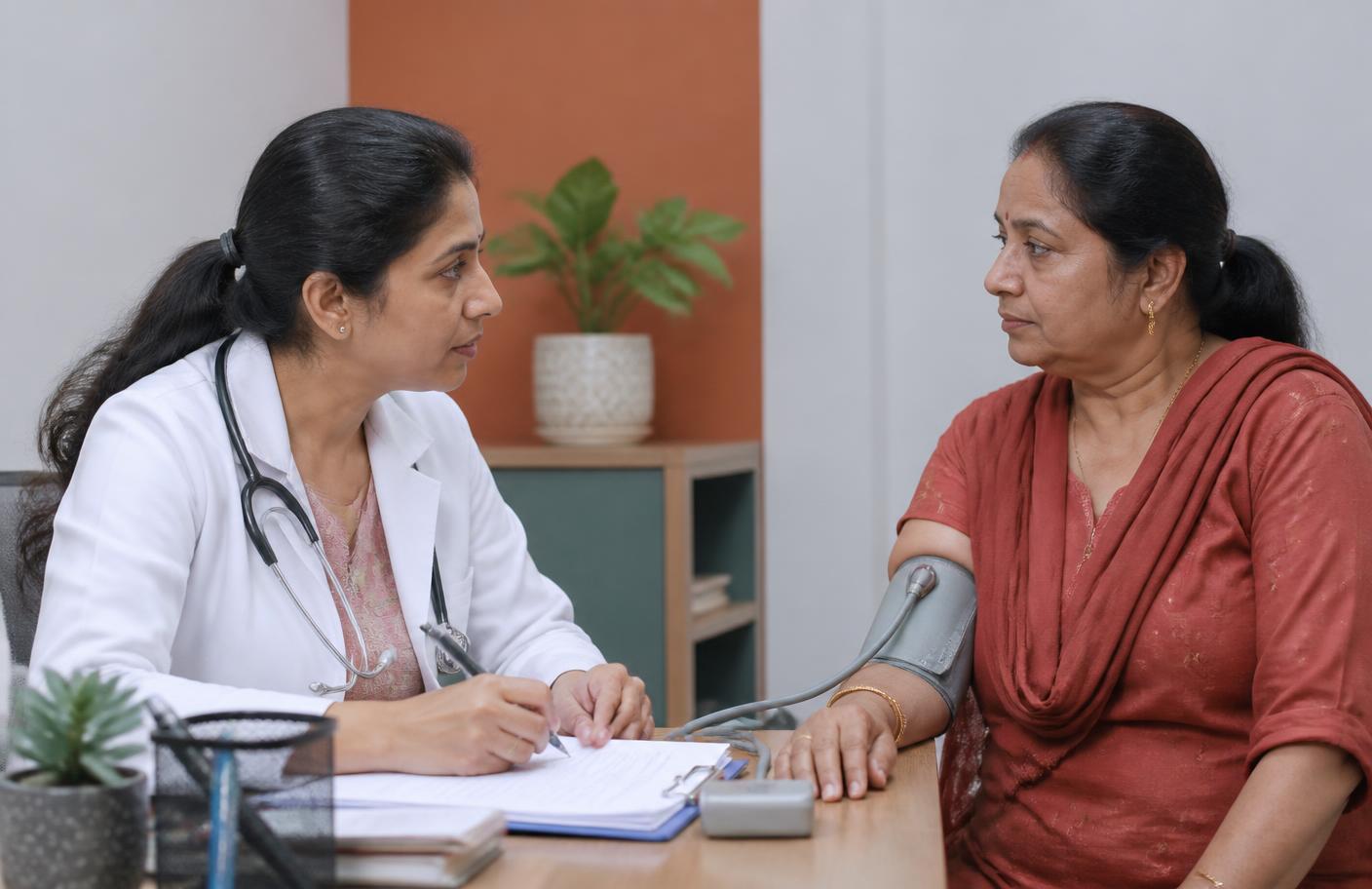
I review menstrual history, symptoms, medicines, previous pregnancies, and personal and family medical history. Pregnancy complications such as gestational diabetes or high blood pressure can offer important clues about later cardiovascular risk. Menopause before age 45, especially before 40, also deserves specific assessment because a longer period of low oestrogen can affect bone and heart health.
Useful checks may include: - Blood pressure, weight trends, and waist measurement. - Blood glucose or HbA1c, which reflects average blood sugar, and a cholesterol profile. - Review of fracture risks and whether a bone density scan is appropriate. - Age-appropriate breast, cervical, and bowel screening.
Not everyone needs extensive hormone testing. In otherwise healthy women over 45 with typical symptoms, the diagnosis is often clinical. Bleeding after menopause should always be assessed promptly, rather than attributed to normal hormonal change.
Supporting memory, mood, and brain health
Brain fog can be unsettling. You may lose your train of thought, forget a familiar word, or find multitasking unusually tiring. These experiences are common during the menopause transition and do not automatically mean dementia. Interrupted sleep, hot flushes, anxiety, and low mood can all affect concentration.
I first look for treatable contributors. Depending on your symptoms, these might include thyroid problems, anaemia, vitamin B12 deficiency, depression, or sleep apnoea, a condition in which breathing repeatedly stops and starts during sleep. Loud snoring and significant daytime sleepiness are worth discussing.
For everyday brain health, I recommend a consistent sleep schedule, regular physical activity, social connection, and activities that keep you engaged. Learning a language, reading, music, or participating in community life can provide stimulation and enjoyment. Managing blood pressure and diabetes also supports long-term brain health.
Mind-body care has a practical role. Gentle yoga, breathing exercises, and mindfulness may help stress and sleep, although they are not substitutes for treatment of significant depression or persistent insomnia. Menopause-specific cognitive behavioural therapy, a structured talking therapy, can also help with symptom-related distress and sleep difficulties.
Hormone replacement therapy, or HRT, may improve concentration indirectly when it relieves disruptive symptoms. However, I do not prescribe it solely to prevent dementia. Progressive memory problems, getting lost in familiar places, or difficulty managing everyday tasks need medical evaluation.
Building stronger bones and muscles
Bone is living tissue that continually renews itself. After menopause, bone breakdown can outpace rebuilding, increasing the risk of osteoporosis: a condition in which bones become fragile and fracture more easily. Because bone loss is usually painless, waiting for symptoms is not a reliable strategy.
A DXA scan measures bone mineral density. I recommend it according to age and individual risks, rather than automatically for every woman entering menopause. Previous low-trauma fractures, prolonged steroid use, low body weight, early menopause, and parental hip fracture can all influence this decision.
My foundation for skeletal health includes: - Weight-bearing activity, such as walking or dancing. - Progressive resistance exercise to strengthen muscles and support bones. - Balance training to reduce falls. - Adequate dietary calcium, vitamin D, and protein. - Avoiding tobacco and limiting alcohol.
Indian meals can support these goals. Depending on your preferences, useful foods include milk or curd, calcium-fortified alternatives, tofu, pulses, eggs, and fish. I encourage protein across meals rather than relying on dinner alone. Vitamin D deficiency may occur despite living in a sunny climate; supplements should reflect clinical need, not assumptions or high-dose self-medication.
Yoga can improve balance and flexibility, but established osteoporosis may require modifications to avoid forceful twisting or deep spinal bending. HRT helps prevent bone loss while it is used, but some women need specific osteoporosis medicines.
Protecting your heart with personalised care
Heart health deserves attention even when you feel well. During midlife, cholesterol, abdominal fat distribution, blood pressure, and insulin sensitivity can change. Menopause is one part of this picture, alongside ageing, genetics, and daily habits.
I favour sustainable changes: more vegetables, pulses, whole grains, nuts, and appropriate protein; fewer highly processed foods; and regular aerobic and strength-building activity. Walking breaks during desk work count. Tobacco cessation and consistent treatment of diabetes, high blood pressure, or raised cholesterol are essential.
HRT is not prescribed solely to prevent heart disease. For troublesome menopause symptoms, its benefits and risks depend on age, time since menopause, medical history, and formulation. Body-identical HRT contains hormones chemically identical to those the body produces; regulated preparations are preferable to unregulated compounded products. Women with a uterus usually need progestogen alongside systemic oestrogen to protect the womb lining.
My 360-degree approach combines evidence-based treatment with nutrition, yoga, and emotional support. If you use naturopathy or herbal products, I review their safety and interactions: “natural” does not automatically mean safe.
Key takeaways
Protecting your brain, bones, and heart after menopause starts with understanding your individual risks, not chasing a universal prescription. I encourage regular movement, nourishing meals, restorative sleep, appropriate screening, and timely treatment of symptoms and medical conditions. HRT can be valuable for suitable women, but it is only one part of care. With a personalised, regularly reviewed plan, menopause can become an opportunity to invest in strength, independence, and wellbeing for the years ahead.
To schedule your personalized consultation with Dr. Munawwer Sana at Apollo Fertility in Kondapur, Hyderabad, or to arrange an online telehealth video consultation, click here to book your appointment.
Want a personalised plan based on your reports?
Book an online consultation with Dr. Sana, or see her at Apollo Fertility, Kondapur (Mon, Tue, Wed, Thu & Sat, 1:00 PM – 6:00 PM). No referral required.
References & clinical guidelines
- Indian Council of Medical Research — National ART Guidelines and the ART (Regulation) Act, 2021
- ESHRE — European Society of Human Reproduction and Embryology, clinical practice guidelines
- NICE CG156 — Fertility problems: assessment and treatment
- Royal College of Obstetricians and Gynaecologists — patient information and guidelines