If you have opened an AMH report and felt your heart sink at a number marked “low”, pause before drawing conclusions. AMH levels and fertility are connected, but this blood test cannot tell you whether you will become pregnant. Nor can a reassuring result guarantee that conception will be straightforward.
In my practice, I meet women who have been told that low AMH means they have “no eggs left”, and others who believe a high result means they can safely postpone pregnancy. Both interpretations can be misleading. I use AMH as one piece of a larger picture, alongside age, menstrual history, ultrasound findings and other fertility factors.
Understanding what your result can—and cannot—reveal helps us make thoughtful decisions without unnecessary fear.
What AMH tells us about ovarian reserve
AMH stands for anti-Müllerian hormone. It is produced by cells surrounding small, developing follicles in the ovaries. Follicles are fluid-filled sacs that may contain an immature egg. The amount of AMH in your blood gives an indirect indication of your ovarian reserve: the remaining pool of eggs.
AMH does not count every egg in your ovaries. Instead, it helps estimate the population of small follicles that may respond to fertility medication. This makes it particularly useful when planning treatments such as IVF, or in vitro fertilisation, where eggs are collected and fertilised in a laboratory.
An important distinction is egg quantity versus egg quality. AMH mainly reflects quantity. It does not directly measure whether an egg has the chromosome balance needed to develop into a healthy embryo. Age remains a much stronger guide to this aspect of egg quality.
AMH can usually be tested on any day of the menstrual cycle, unlike some other reproductive hormones. However, results are not completely fixed. Laboratory methods, hormonal contraception and individual biological variation can affect the reading, so context matters.
How I interpret low, normal and high results
There is no single AMH number that defines fertility for every woman. Reports may use different units, such as ng/mL or pmol/L, and laboratories have different reference ranges. I interpret the value in relation to your age, history and the laboratory method rather than applying a universal internet chart.
A lower AMH level may suggest fewer follicles available to respond to ovarian stimulation. It does not automatically mean that you are not ovulating or cannot conceive naturally. A younger woman with low AMH may have fewer eggs available for treatment, while still having age-appropriate egg quality.
A result within the expected range is reassuring about one aspect of ovarian reserve, but it does not rule out blocked fallopian tubes, endometriosis, sperm problems or difficulties with ovulation.
Higher AMH often reflects a larger number of small follicles. It can occur in polycystic ovary syndrome, or PCOS, but AMH alone should not be used to diagnose PCOS. High AMH does not necessarily mean better egg quality or easier conception.
I commonly consider: - Your age and plans for pregnancy. - Whether periods are regular and ovulation is occurring. - Previous ovarian surgery, endometriosis or cancer treatment. - Family history of early menopause. - An ultrasound assessment called the antral follicle count.
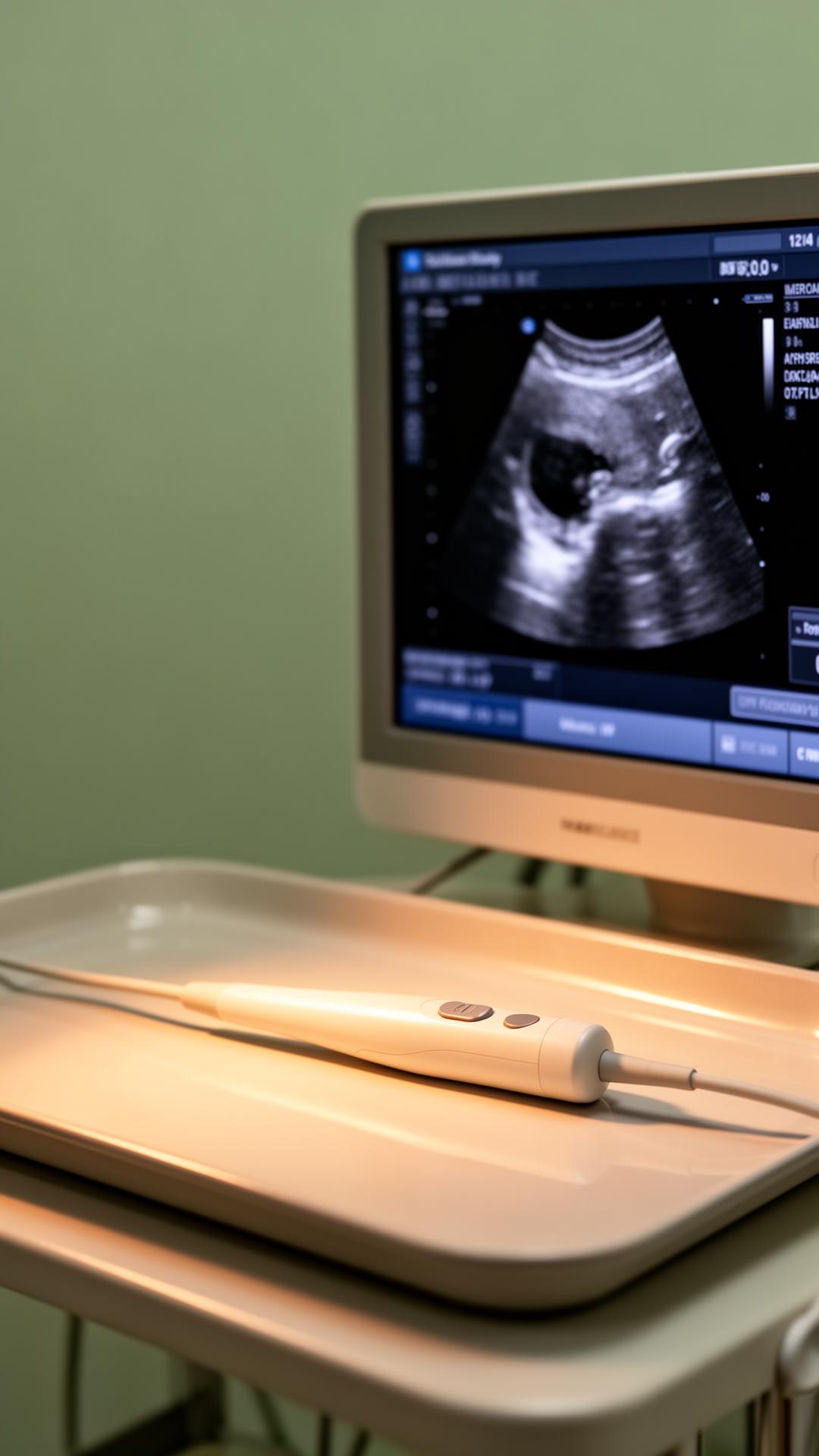
The antral follicle count measures visible small follicles in the ovaries. When AMH and ultrasound findings differ, I review the context before recommending further testing or treatment.
What AMH means for natural conception and IVF
For natural conception, AMH has important limitations. Pregnancy depends on ovulation, egg and sperm quality, open fallopian tubes, timing and other factors. AMH alone is not a reliable predictor of your chance of becoming pregnant naturally or how long it will take.
I generally recommend a fertility assessment after twelve months of trying if you are under 35, or after six months if you are 35 or older. Earlier assessment is appropriate if you are over 40, have irregular periods, known reproductive conditions or relevant medical history. A concerning AMH result also deserves timely discussion, without assuming IVF is inevitable.
In IVF, AMH helps me anticipate the ovarian response and personalise stimulation. Lower AMH may mean fewer eggs are collected, and sometimes more than one cycle is discussed. Higher AMH may signal a stronger response and increased risk of ovarian hyperstimulation syndrome, a potentially serious reaction to fertility medication.
At Apollo Fertility, Kondapur, Hyderabad, I combine these findings with ultrasound monitoring and the embryology team’s input to guide treatment. AMH helps plan care, but it cannot predict an individual embryo’s potential or guarantee a live birth.
Low AMH alone is not a reason to move directly to donor eggs. That discussion requires a broader assessment of age, previous treatment response and personal preferences.
Supporting fertility without chasing a number
A common question is, “Can I increase my AMH?” There is no established treatment that reliably restores the ovarian egg pool. Changes in a blood result do not necessarily represent an increase in available eggs or improved fertility.
I advise caution with supplements, herbal preparations and “ovarian rejuvenation” claims. Treatments such as ovarian platelet-rich plasma injections remain experimental; they should not be presented as proven ways to restore fertility.
My 360-degree approach focuses on supporting health alongside evidence-based treatment, not replacing it. Through preconception care, I review nutrition, medical conditions, medications, sleep and emotional wellbeing.
Practical priorities include: - Eating a varied diet with vegetables, fruit, pulses, whole grains and adequate protein. - Avoiding tobacco and reviewing alcohol use. - Discussing folic acid and any confirmed nutritional deficiencies. - Choosing regular, sustainable movement and sufficient sleep. - Using gentle yoga, breathing practices or counselling to support wellbeing.
Mind-body care can make uncertainty more manageable; it does not mean stress caused your fertility difficulty. If you use naturopathy or traditional remedies, I encourage you to share the details. Some products may interact with medicines or be unsuitable around conception.
For women considering egg freezing, AMH can help estimate likely egg yield, while age at freezing remains crucial. Neither egg freezing nor a favourable AMH result guarantees a future baby.
Key takeaways
AMH is a useful planning tool, not a verdict on your fertility. It gives information about egg quantity and likely response to treatment, but does not directly measure egg quality, predict natural conception reliably or pinpoint when menopause will occur. I interpret it alongside age, ultrasound findings and the health of both partners. My aim is to help you understand your options, avoid unsupported promises and make timely, personalised decisions while caring for your physical and emotional wellbeing.
To schedule your personalized consultation with Dr. Munawwer Sana at Apollo Fertility in Kondapur, Hyderabad, or to arrange an online telehealth video consultation, click here to book your appointment.
Want a personalised plan based on your reports?
Book an online consultation with Dr. Sana, or see her at Apollo Fertility, Kondapur (Mon, Tue, Wed, Thu & Sat, 1:00 PM – 6:00 PM). No referral required.
References & clinical guidelines
- Indian Council of Medical Research — National ART Guidelines and the ART (Regulation) Act, 2021
- ESHRE — European Society of Human Reproduction and Embryology, clinical practice guidelines
- NICE CG156 — Fertility problems: assessment and treatment
- Royal College of Obstetricians and Gynaecologists — patient information and guidelines