As a fertility specialist, I often see my patients grappling with the intersection of their personal aspirations and biological timelines. The decision to begin the journey of egg freezing is increasingly common, offering a proactive step towards preserving future fertility amidst career goals, educational pursuits, or the search for the right life partner.
01What is Egg Freezing (Oocyte Cryopreservation)?
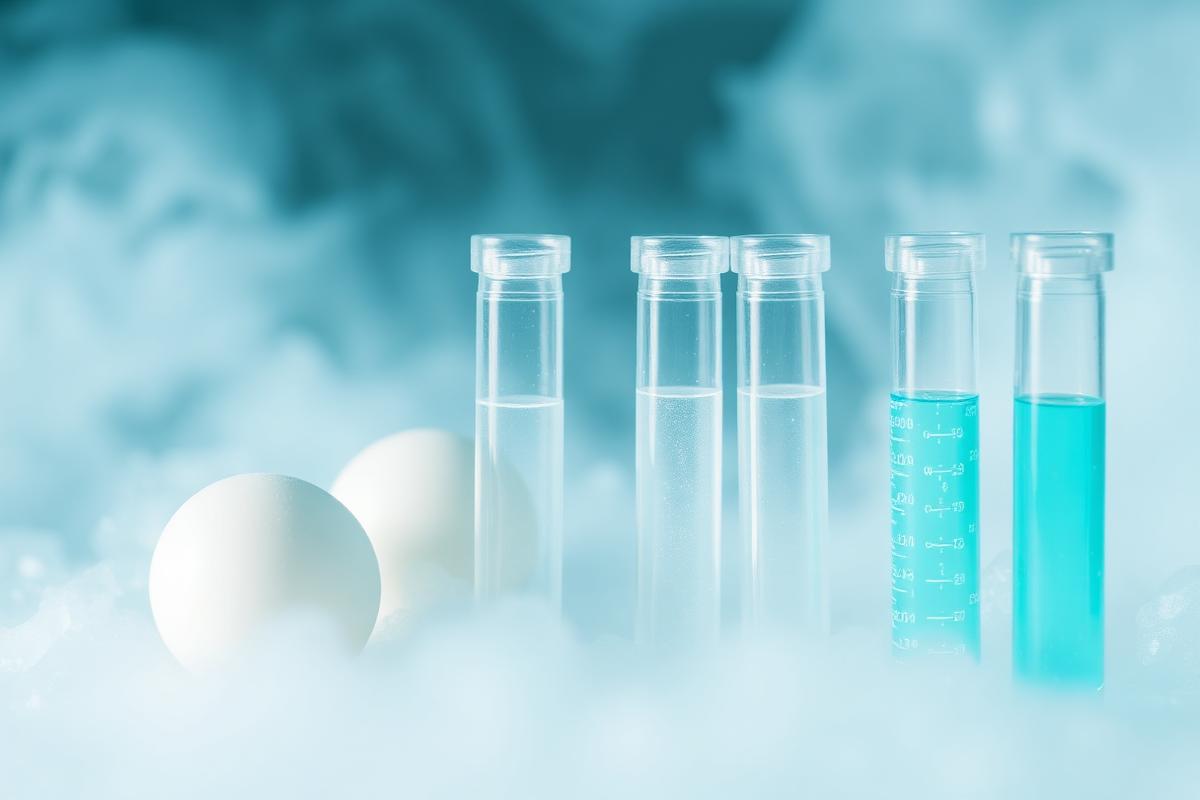
Egg freezing, scientifically known as oocyte cryopreservation, is a process where a woman's eggs (oocytes) are retrieved from her ovaries, frozen, and stored for future use. This allows women to preserve their fertility at a younger age when their eggs are typically of higher quality and quantity, for use at a later stage when natural conception might be more challenging.
Historically, this technology faced hurdles with ice crystal formation damaging the delicate eggs. However, advancements, particularly vitrification (a 'flash-freezing' technique), have dramatically improved success rates. My patients in Hyderabad and across India now have access to robust, evidence-based protocols for egg freezing.
02Why Consider Egg Freezing: The Indian Context
In India, societal shifts mean women are often delaying marriage and childbirth, focusing on education and career. This often puts them in a biological dilemma. I explain to my patients that while our ambitions evolve, our biological clock unfortunately does not stop ticking. Egg freezing offers a unique opportunity to align these two critical aspects of a woman's life.
Common reasons my patients explore egg freezing include:
- Pursuing higher education or career milestones before starting a family.
- Not having found the right partner yet.
- Facing medical treatments like chemotherapy or radiation that could damage ovarian reserve.
- Having a family history of early menopause.
- Personal preference for future family planning.
03The Ideal Age for Egg Freezing: Timing is Everything
The quality and quantity of a woman's eggs decline significantly after the age of 35, accelerating after 38. While egg freezing can be performed at any reproductive age, the optimal window, based on current evidence, is typically between 30 and 35 years. Freezing eggs in your early 30s yields a higher chance of a live birth later on compared to freezing them in your late 30s or early 40s.
For example, a 32-year-old woman may need 10-15 mature eggs to have a good chance of a live birth later, whereas a 38-year-old woman might need 20-30 eggs to achieve a similar probability. This is a crucial conversation I have with my patients, as it directly impacts the number of cycles required and overall cost.
04The Egg Freezing Process: A Step-by-Step Guide
The journey typically involves several key stages:
- 1.Initial Consultation & Assessment — This is where we discuss your medical history, reproductive goals, and I explain the entire process. We will also perform baseline tests.
- 1.Ovarian Reserve Testing — To assess your current fertility potential, we conduct blood tests for hormones like AMH (Anti-Müllerian Hormone) and FSH (Follicle-Stimulating Hormone), along with a transvaginal ultrasound to perform an Antral Follicle Count (AFC). AMH is a particularly good indicator of ovarian reserve, giving us an idea of how many eggs we might expect to retrieve in a cycle. My patients often inquire about their AMH levels, and I always ensure they understand what these numbers signify for their individual scenario.
- 1.Ovarian Stimulation — For about 10-14 days, you'll administer daily hormone injections to stimulate your ovaries to produce multiple mature eggs, rather than the single egg usually released in a natural cycle. Throughout this phase, you'll have regular ultrasound scans and blood tests to monitor follicle growth and hormone levels. This ensures we can time the egg retrieval optimally.
- 1.Egg Retrieval — This is a minor surgical procedure performed under mild sedation. Using an ultrasound-guided needle, I gently retrieve the eggs from your ovaries through the vaginal wall. It's usually completed within 20-30 minutes, and most patients can go home a few hours later.
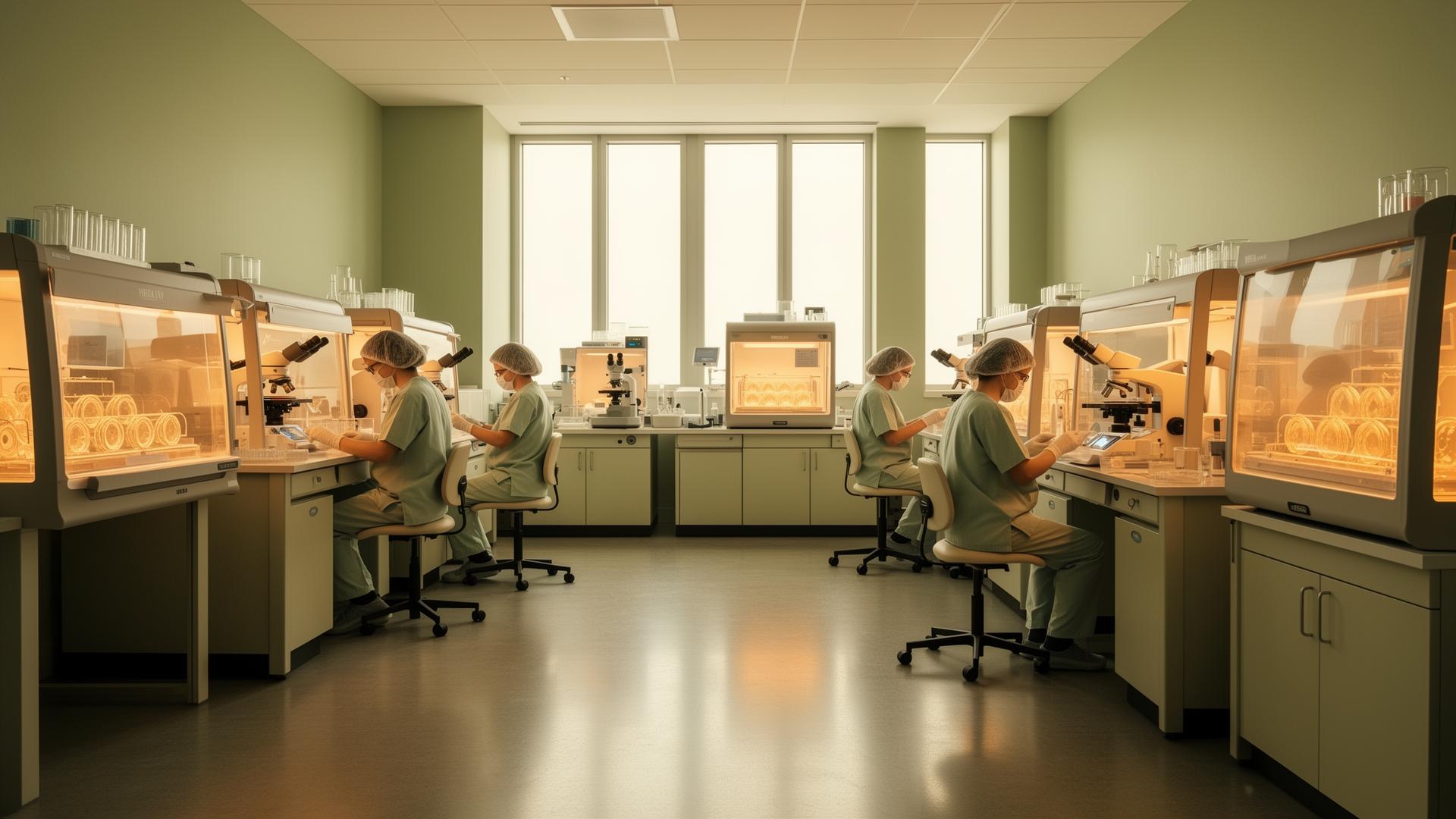
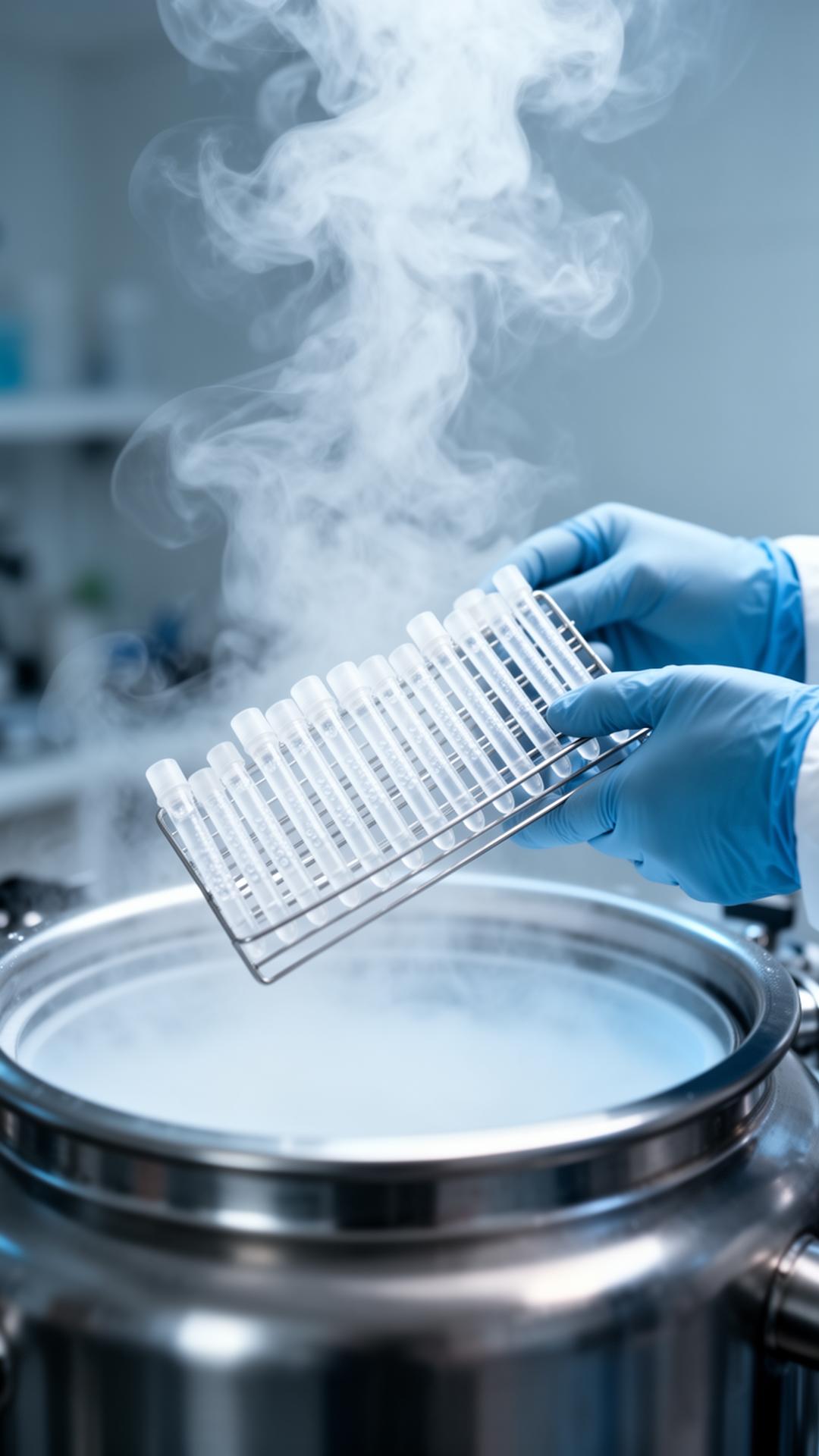
- 1.Vitrification & Storage — The retrieved eggs are immediately taken to the embryology lab, assessed for maturity, and then flash-frozen using vitrification. They are then stored in liquid nitrogen tanks at extremely low temperatures until you are ready to use them.
05Understanding Success Rates: Thaw, Fertilisation, and Live Births
It's essential to understand that egg freezing is not a guarantee, but it significantly improves your chances. Success is measured at several stages:
- Thaw Rate — With vitrification, thaw rates are excellent, typically above 90-95%. This means most frozen eggs survive the thawing process intact.
- Fertilisation Rate — Once thawed, eggs are fertilised with sperm using ICSI (Intracytoplasmic Sperm Injection), where a single sperm is injected into each egg. Fertilisation rates are generally around 70-80%.
- Embryo Development & Implantation — The fertilised eggs (embryos) are then cultured, and viable embryos are transferred to the uterus. The chance of a live birth depends on the number of eggs frozen, the age at which they were frozen, and the woman's age at the time of embryo transfer.
For women who freeze eggs in their early to mid-30s, freezing 15-20 mature eggs can yield a cumulative live birth rate of 50-70%. It's important to discuss your specific prognosis based on your age and ovarian reserve during our consultation.
06Cost of Egg Freezing in India (INR)
The financial aspect is a significant consideration for many of my patients. The cost of egg freezing in Hyderabad and across India varies, but here's a realistic breakdown:
- Initial Consultation & Testing — ₹5,000 - ₹15,000 (includes blood tests like AMH, FSH, LH, E2, ultrasound scans).
- Medications for Ovarian Stimulation — This is the most variable component, typically ₹70,000 - ₹1,50,000 per cycle, depending on the type and dosage of hormones required.
- Egg Retrieval Procedure & Vitrification — ₹1,00,000 - ₹1,80,000 per cycle (includes anaesthesia, embryology lab fees, freezing).
- Annual Storage Fees — ₹15,000 - ₹30,000 per year.
Therefore, a single cycle of egg freezing can range from approximately ₹1,75,000 to ₹3,45,000, excluding annual storage. Many women require more than one cycle to accumulate an optimal number of eggs, especially if they are older or have lower ovarian reserve. I always provide a clear, transparent cost estimate based on individual needs.
07Legal and Ethical Considerations: India's ART Act 2021
The Assisted Reproductive Technology (Regulation) Act, 2021, and its accompanying rules have brought clarity and regulation to fertility treatments, including egg freezing, in India. This Act mandates that fertility clinics are registered and adhere to strict standards, ensuring patient safety and ethical practices. For egg freezing, the Act specifies guidelines regarding consent, anonymity of donors (if applicable for future use of donor sperm), and storage duration. It also ensures that the stored eggs can only be used for the woman's own reproductive purposes.
08Preparing for Egg Freezing: Lifestyle and Diet
While egg freezing is a medical procedure, certain lifestyle factors can optimise your outcome. I advise my patients to focus on overall well-being:
- Healthy Diet — A balanced diet rich in fruits, vegetables, whole grains, and lean proteins can support overall health. Mediterranean and Indian diets, when balanced, are excellent.
- Avoid Smoking and Excessive Alcohol — These can negatively impact egg quality.
- Manage Stress — High stress levels can affect hormone balance. Practising mindfulness, yoga, or other relaxation techniques can be beneficial.
- Moderate Exercise — Regular, moderate physical activity is encouraged.
- Maintain a Healthy Weight — Being within a healthy BMI range can improve ovarian response to stimulation.
09Potential Risks and Side Effects
Like any medical procedure, egg freezing carries some risks, although they are generally low:
- Ovarian Hyperstimulation Syndrome (OHSS) — This occurs when ovaries over-respond to stimulation, leading to swelling and pain. Mild OHSS is common and manageable; severe OHSS is rare but requires medical attention.
- Discomfort during retrieval — Mild pain or cramping after the procedure is common and usually managed with over-the-counter pain medication.
- Infection or Bleeding — Very rare risks associated with any invasive procedure.
I discuss these risks thoroughly during our initial consultation, ensuring you are fully informed.
10What Happens When You're Ready to Use Your Frozen Eggs?
When you decide to use your frozen eggs, they are carefully thawed in our lab. The surviving eggs are then fertilised with sperm (either your partner's or donor sperm) using ICSI to create embryos. One or two healthy embryos are then transferred to your uterus, hoping for a successful pregnancy. The remaining embryos, if any, can be frozen for future use.
Want a personalised plan based on your reports?
Consult Dr. Sana by video from home — anywhere in India or abroad. Share your reports in advance and receive a written plan. No referral required.
Sources
- Indian Council of Medical Research — National ART Guidelines and the ART (Regulation) Act, 2021
- ESHRE — European Society of Human Reproduction and Embryology, clinical practice guidelines
- NICE CG156 — Fertility problems: assessment and treatment
- Royal College of Obstetricians and Gynaecologists — patient information and guidelines