When a cancer diagnosis arrives, it understandably brings a whirlwind of emotions and urgent decisions. Among these, for many women, particularly those in their reproductive years, is a deep concern about how treatment might impact their future fertility. As a fertility and reproductive medicine consultant, my role is to stand by my patients during this incredibly challenging time, offering clear, compassionate guidance and actionable solutions like medical egg freezing, ensuring that while we fight cancer, we also protect the possibility of building a family later.
01Understanding the Threat: How Cancer Treatments Impact Fertility
Cancer treatments are incredibly powerful and life-saving, but they are also non-discriminatory in their effects. Chemotherapy and radiation therapy, in particular, can be highly toxic to the ovaries, which house a woman's finite reserve of eggs. This damage can lead to a significant reduction in egg numbers and quality, potentially causing premature ovarian insufficiency (POI) or even early menopause. My patients often ask, 'Will I be able to have children after this?' and it's a question I take very seriously, understanding the profound hope behind it.
The extent of fertility damage depends on several factors: - The type of cancer: Some cancers require more aggressive treatments that are harsher on the ovaries. - The specific chemotherapy drugs used: Certain agents are known to be more gonadotoxic than others. - The radiation field and dose: Pelvic radiation directly targets the ovaries. - Your age at the time of treatment: Younger women generally have a larger ovarian reserve, offering some buffer, but older women are at higher risk of significant impact. - Your ovarian reserve prior to treatment: A lower baseline reserve means less resilience to damage.
02The Urgency: Time is of the Essence with Medical Egg Freezing
Unlike elective egg freezing, where women might take weeks or months to decide, medical egg freezing often operates under immense time pressure. The oncology team rightly prioritises initiating cancer treatment as quickly as possible. This means we have a very narrow window, sometimes as little as 10-14 days, to complete the egg freezing cycle. My team and I are experts at navigating these compressed timelines, coordinating seamlessly with oncologists here in Hyderabad and elsewhere to ensure fertility preservation happens without unduly delaying critical cancer care. It's a race against the clock, but one we are well-prepared for.
03The Process: A Compressed but Comprehensive Approach
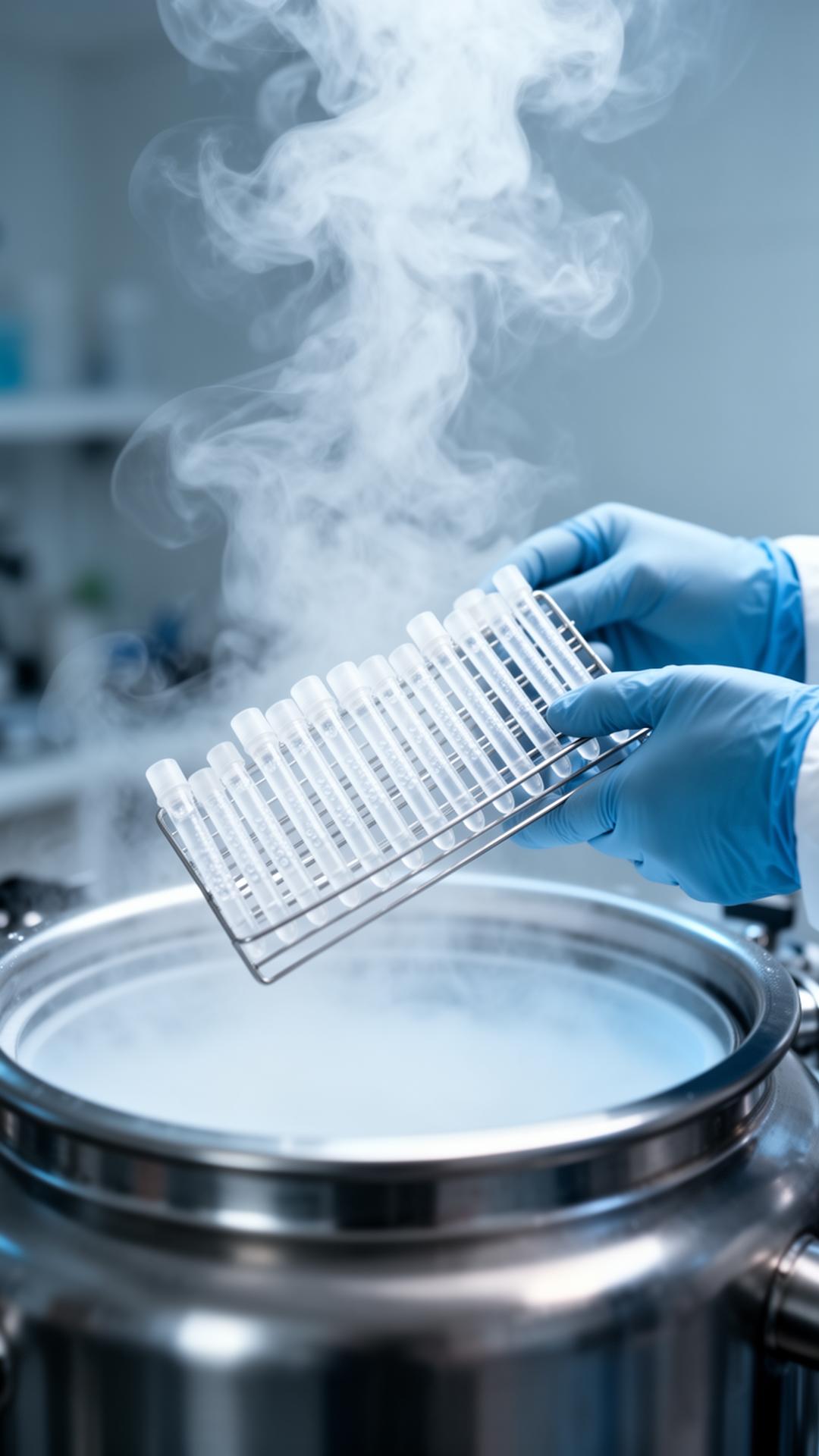
The core process of medical egg freezing is similar to that for elective freezing, but it's expedited. Here's a general overview: - Initial Consultation and Assessment: We meet immediately to discuss your diagnosis, treatment plan, and reproductive goals. We'll assess your ovarian reserve with blood tests (AMH, FSH, E2) and a transvaginal ultrasound, often on the same day. This helps us tailor the stimulation protocol. - Ovarian Stimulation: This involves daily injections of hormonal medications for about 8-12 days to stimulate the ovaries to produce multiple mature eggs. We often start this phase immediately, sometimes even at random points in your menstrual cycle, without waiting for a specific day, to save precious time. - Monitoring: Throughout stimulation, I monitor your progress closely with frequent ultrasounds and blood tests to track follicle growth and hormone levels. This ensures the medications are working effectively and allows us to adjust dosages as needed. - Egg Retrieval: Once the follicles are mature, a minor surgical procedure is performed under light anaesthesia. Using an ultrasound-guided needle, I retrieve the eggs from the ovaries. This is an outpatient procedure, and most patients are ready to go home within a few hours. - Vitrification (Freezing): The retrieved eggs are then immediately frozen using a rapid freezing technique called vitrification. This method minimises ice crystal formation and maximises egg survival rates. They are stored in liquid nitrogen in our state-of-the-art facility until you are ready to use them.
Many patients express concern about hormonal stimulation during cancer treatment, especially for hormone-sensitive cancers like breast cancer. In such cases, we often use modified protocols, including those with aromatase inhibitors like Letrozole, which can minimise oestrogen spikes during stimulation, making it safer for these specific cancer types. My priority is always your safety alongside your fertility preservation.
04Who Should Consider Medical Egg Freezing?
While medical egg freezing is highly recommended for women facing gonadotoxic treatments, it's particularly pertinent for: - Women undergoing chemotherapy or radiation to the pelvis. - Young women diagnosed with cancer, especially those who haven't yet completed their family. - Women with certain blood disorders requiring bone marrow transplantation. - Those with autoimmune conditions necessitating high-dose immunosuppressants. - Individuals facing surgery that may damage or remove reproductive organs.
It's a proactive step that gives you control over your future reproductive choices, offering a sense of hope and empowerment during a very difficult period. I always advise my patients to discuss fertility preservation with their oncologist as early as possible so we can collaboratively plan the best course of action.
05The Cost and Accessibility in India
The cost of medical egg freezing in India is significantly more affordable than in many Western countries, making it a viable option for many. Typically, a single cycle of medical egg freezing, including consultations, ovarian stimulation medications, monitoring, egg retrieval, vitrification, and storage for the first year, can range from approximately INR 1,50,000 to INR 2,50,000. Subsequent annual storage fees are usually around INR 10,000 to INR 20,000.
It's important to understand that medication costs can fluctuate based on individual response and the specific protocol required. At Apollo Fertility in Hyderabad, we strive to be transparent about all costs upfront and guide you through the process, ensuring you have all the information needed to make an informed decision. While not all insurance plans cover elective fertility treatments, some may offer partial coverage for medical preservation due to a life-threatening illness; it's always worth checking with your provider.
06ART Act 2021: Legal Framework and Storage Duration
India's Assisted Reproductive Technology (Regulation) Act, 2021, and its subsequent rules provide a clear legal framework for fertility preservation. This Act mandates that a woman can store her eggs for a period of up to 10 years, with the possibility of extending this period for another 5 years at a time, up to a maximum of 55 years of age for the woman. This provision ensures that women undergoing medical egg freezing have ample time to recover from cancer treatment, regain their health, and then decide when they are ready to pursue pregnancy, often many years down the line.
The Act also specifies stringent requirements for ART clinics and banks, ensuring high standards of care, ethical practices, and the safety of gamete storage. As a patient, you can be assured that your frozen eggs are held securely and professionally in licensed facilities.
07Post-Treatment Considerations and Future Family Building
After your cancer treatment concludes and you've had time to heal, typically a few years, we can revisit your reproductive goals. When you're ready to start a family, your frozen eggs can be thawed, fertilised with sperm (either from a partner or a donor) in the lab to create embryos, and then transferred into your uterus. This process is called In Vitro Fertilisation (IVF).
Success rates with frozen eggs depend on several factors, including the woman's age when the eggs were frozen (younger eggs generally have higher success rates), the number of eggs retrieved, and the quality of the sperm. While there are no guarantees, medical egg freezing significantly improves your chances of having biological children after cancer. It offers a tangible pathway to parenthood that might otherwise be closed.
08The Emotional and Psychological Impact
I've seen firsthand the immense emotional relief and hope that medical egg freezing brings to my patients. Facing cancer is overwhelming, and the thought of losing the ability to have children can add another layer of grief. By taking proactive steps to preserve fertility, my patients often feel a sense of empowerment and control over at least one aspect of their future. It allows them to focus on fighting cancer, knowing that a critical part of their life plan is safeguarded.
My team and I offer comprehensive support, not just medically but also emotionally. We understand the anxieties and fears, and we're here to provide clear information, answer every question, and offer comfort during this challenging journey. Your well-being, both physical and emotional, is paramount.
Want a personalised plan based on your reports?
Consult Dr. Sana by video from home — anywhere in India or abroad. Share your reports in advance and receive a written plan. No referral required.
Sources
- Indian Council of Medical Research — National ART Guidelines and the ART (Regulation) Act, 2021
- ESHRE — European Society of Human Reproduction and Embryology, clinical practice guidelines
- NICE CG156 — Fertility problems: assessment and treatment
- Royal College of Obstetricians and Gynaecologists — patient information and guidelines