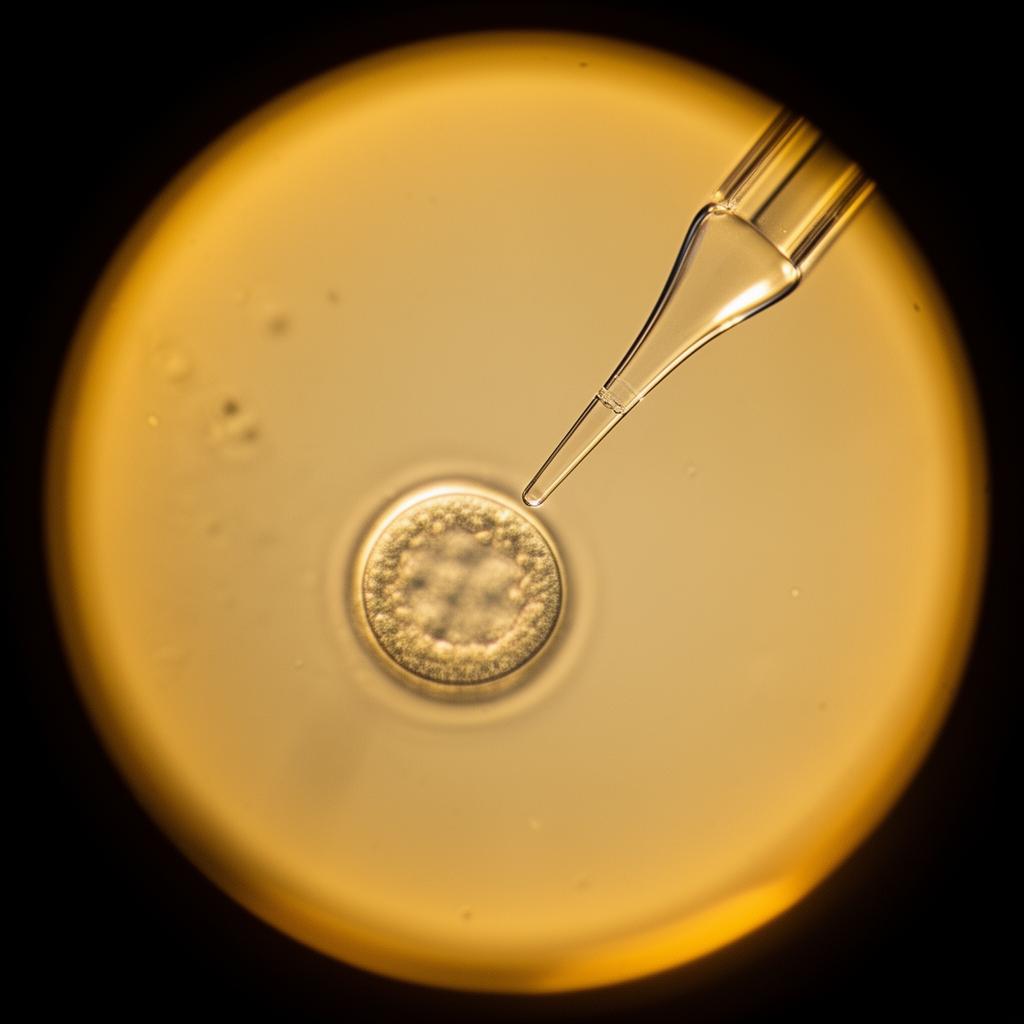
In the intricate journey towards parenthood, every detail matters, and nowhere is this truer than in the quality of the reproductive cells – the egg and, crucially, the sperm. For many couples facing fertility challenges, optimising sperm health is a pivotal step, and as a fertility specialist at Apollo Fertility, Hyderabad, I've seen first-hand how advanced sperm preparation techniques can dramatically improve our outcomes.
01The Unsung Hero: Sperm Quality in Fertility Treatment
When we talk about fertility, there's often a significant focus on the female partner – ovarian reserve, uterine health, and egg quality. While these are undeniably vital, it's imperative not to overlook the male contribution. Approximately 40-50% of fertility issues involve a male factor, either solely or in combination with female factors. Healthy, functional sperm are fundamental for successful fertilisation, embryo development, and in the end, a healthy pregnancy.
Traditional sperm preparation techniques, primarily density gradient centrifugation (DGC) and swim-up, have served us well for decades. These methods aim to separate motile, morphologically normal sperm from immotile sperm, debris, and other seminal plasma components. However, they are not without limitations, particularly in identifying and removing sperm with subtle damage that might not be visible under a standard microscope.
The challenge lies in detecting sperm that appear normal but carry DNA fragmentation or other molecular abnormalities. These 'invisible' defects can compromise fertilisation, impair embryo development, and even increase the risk of recurrent pregnancy loss. This is where modern, sophisticated techniques like Magnetic Activated Cell Sorting (MACS) and microfluidics come into play, offering a cleaner, more selective approach to sperm preparation.
02Understanding Sperm DNA Fragmentation
Sperm DNA fragmentation (SDF) refers to breaks or damage in the genetic material within the sperm head. While some level of fragmentation is normal, high levels can be detrimental to fertility. Think of it like a book – if pages are torn or missing, the instructions are incomplete, making it difficult for the embryo to develop correctly. SDF can arise from various factors, including oxidative stress, infection, varicocele, exposure to toxins, elevated testicular temperature, and lifestyle choices.
Sperm with fragmented DNA may still be able to fertilise an egg, but the resulting embryo has a reduced chance of implantation and a higher risk of early miscarriage. For patients experiencing unexplained infertility, recurrent IVF failures, or recurrent miscarriages, assessing SDF and employing strategies to mitigate its impact, such as MACS, becomes particularly relevant.
03MACS: Magnetic Activated Cell Sorting for Superior Sperm Selection
Magnetic Activated Cell Sorting (MACS), also known as Annexin V MACS, is a sophisticated method designed to select sperm with intact DNA and undamaged cell membranes. It leverages a natural biological process: cells undergoing early apoptosis (programmed cell death) externalise a molecule called phosphatidylserine (PS) to their outer membrane. This PS acts as a 'death signal' and has a high affinity for Annexin V.
In MACS, sperm are incubated with tiny magnetic beads coated with Annexin V. Sperm that are beginning to undergo apoptosis, and thus have PS on their surface, bind to these magnetic beads. The sample is then passed through a magnetic field. The damaged, apoptotic sperm, attached to the magnetic beads, are retained by the magnet, while healthy, intact sperm (which do not bind to the beads) pass through unaffected. The 'clean' fraction of sperm is then collected and used for fertilisation.
Who Can Benefit from MACS?
- Patients with high sperm DNA fragmentation index (DFI).
- Couples with unexplained infertility after conventional workup.
- Individuals with recurrent IVF or ICSI failure.
- Patients with recurrent pregnancy loss.
- Those with advanced paternal age.
- Men with varicocele or a history of testicular insult.
At our clinic in Hyderabad, we meticulously evaluate each patient's history and semen parameters to determine if MACS would be beneficial. It's an additional step, typically performed immediately after initial semen processing and before ICSI (Intracytoplasmic Sperm Injection). The cost for MACS in India typically ranges from INR 15,000 to INR 25,000, depending on the centre.
04Microfluidics: Nature-Inspired Sperm Selection
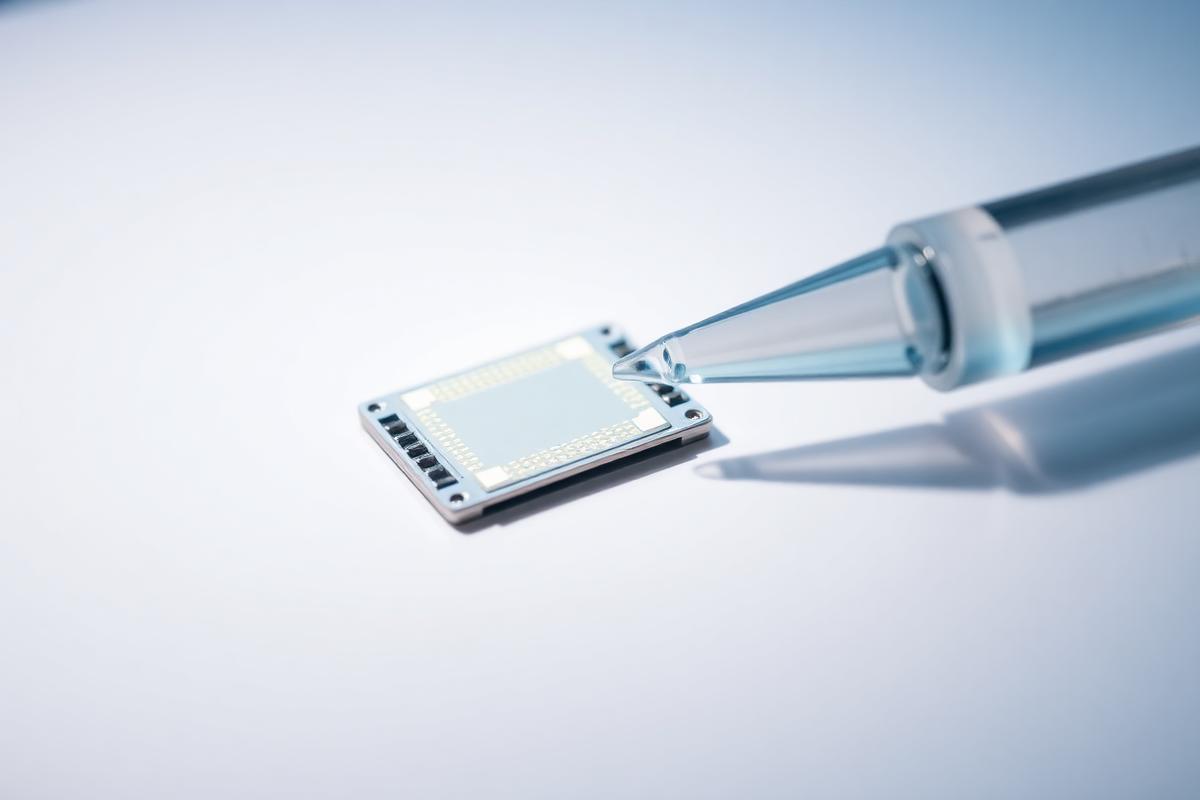
Microfluidics represents a groundbreaking approach to sperm selection, inspired by the natural journey of sperm through the female reproductive tract. These devices are essentially tiny, lab-on-a-chip systems with micro-channels that mimic the physiological environment. Sperm are introduced into these channels, and only the most motile, morphologically normal, and functionally competent sperm are able to navigate and swim through the narrow pathways to reach a collection chamber.
Unlike traditional methods that rely on centrifugation, which can induce oxidative stress and damage to sperm, microfluidic chips utilise chemotaxis and rheotaxis (sperm's ability to sense chemical gradients and orient themselves against fluid flow). This gentle, label-free, and stress-free selection process results in a purer population of high-quality sperm with lower DNA fragmentation and better motility.
Advantages of Microfluidics:
- Minimises iatrogenic damage to sperm, as there is no centrifugation or exposure to high shear forces.
- Selects sperm based on inherent motility and viability, mimicking natural selection.
- Reduces levels of reactive oxygen species (ROS) and DNA-fragmented sperm.
- Can be particularly beneficial for samples with poor motility or high viscosity.
- Offers a rapid and efficient sperm preparation method.
Microfluidic sperm selection is a relatively newer technology in India, but its adoption is growing due to promising results. The cost associated with microfluidic sperm preparation is generally in a similar range to MACS, typically INR 18,000 to INR 30,000 per cycle. We consider this technique for specific cases where sperm quality is a significant concern, especially if previous cycles using conventional methods have yielded suboptimal results.
05Clinical Outcomes: What We've Observed
Integrating MACS and microfluidics into our lab protocols at Apollo Fertility, Hyderabad, has been a significant step forward. We have observed tangible improvements in several key metrics for our patients who undergo these procedures: - Improved fertilisation rates — With healthier sperm, the chances of successful fertilisation of the egg are higher. - Better embryo development — Selected sperm contribute to more robust embryos, with a higher proportion reaching the blastocyst stage. - Increased implantation rates — Embryos derived from superior sperm are more likely to implant successfully in the uterus. - Reduced miscarriage rates — By minimising DNA fragmentation, we aim to lower the risk of early pregnancy loss. - Higher live birth rates — In practice, our goal is a healthy baby, and these techniques contribute to that objective.
It's important to understand that while these techniques significantly enhance sperm quality, they are not a panacea for all male infertility issues. The success rates depend on the underlying cause of infertility, the severity of the male factor, and the overall quality of both partners' gametes. However, for carefully selected patients, they offer a substantial advantage.
06The Future of Sperm Preparation: Precision and Personalisation
The evolution of sperm preparation techniques reflects a broader trend in reproductive medicine: increasingly precise and personalised treatments. Both MACS and microfluidics represent a move towards biologically driven selection, going beyond what is visible under a microscope to identify sperm with optimal functional integrity. This allows us to offer more targeted interventions, especially for couples who have faced repeated disappointments.
As a specialist, my role is to navigate this landscape of innovation, ensuring that my patients receive the most evidence-based and effective treatments available. The decision to incorporate MACS or microfluidics into a treatment plan is always made after a thorough assessment and open discussion with the couple, considering their unique circumstances and fertility journey. Our commitment is to give every sperm, and every embryo, the best possible start.
Want a personalised plan based on your reports?
Consult Dr. Sana by video from home — anywhere in India or abroad. Share your reports in advance and receive a written plan. No referral required.
Sources
- Indian Council of Medical Research — National ART Guidelines and the ART (Regulation) Act, 2021
- ESHRE — European Society of Human Reproduction and Embryology, clinical practice guidelines
- NICE CG156 — Fertility problems: assessment and treatment
- Royal College of Obstetricians and Gynaecologists — patient information and guidelines