A semen report can look reassuring and still leave a couple wondering why pregnancy has not happened. Another report may show an abnormal result without meaning that natural conception is impossible. When patients search for “DNA Fragmentation Index male fertility”, they are usually asking: could there be something about sperm that a routine test has missed?
In my practice, I explain that male fertility is not a single number. Sperm count, movement, shape, DNA integrity, medical history and the female partner’s reproductive health all matter. My aim is to investigate thoughtfully, reduce unnecessary testing and help couples understand what each finding can—and cannot—tell us.
What semen analysis reveals, and what it cannot
A semen analysis is usually the first laboratory investigation for male infertility. It measures semen volume, sperm concentration, total sperm number, motility and morphology. Motility describes how sperm move; morphology describes their shape under the microscope.
These measurements help identify potential barriers to fertilisation, but they are not a pass-or-fail fertility certificate. Reference limits are not absolute boundaries separating fertile from infertile men. A result below a reference limit does not automatically rule out conception, and results within range do not guarantee it.
Semen quality also varies. Recent fever, incomplete sample collection, certain medicines and the abstinence interval can affect findings. I check how the sample was collected and whether a repeat test is needed before drawing conclusions.
If no sperm are seen, a condition called azoospermia, further evaluation is essential. Sometimes sperm production is impaired; sometimes there is a blockage. These situations require different investigations and treatment discussions, often with an andrologist or reproductive urologist.
Understanding DNA fragmentation without overinterpreting DFI
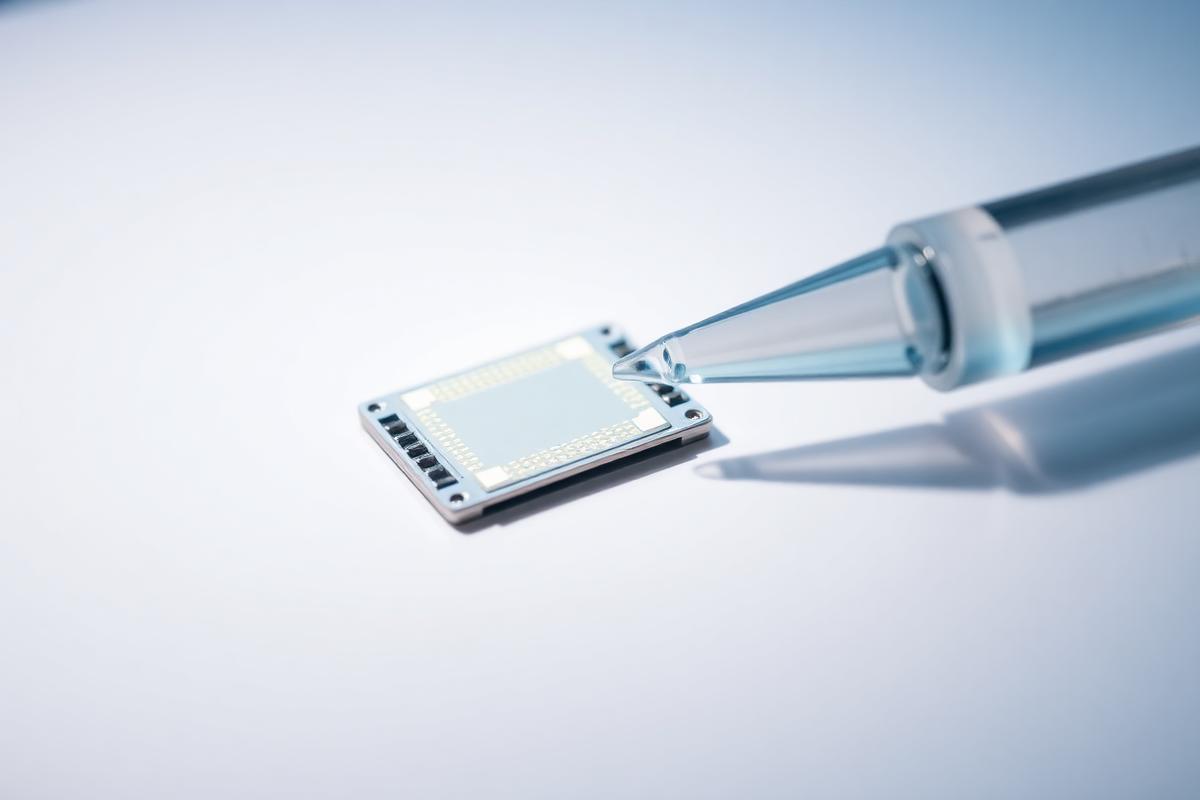
Sperm carry the father’s genetic material, tightly packaged as DNA. DNA fragmentation refers to breaks in that material. The DNA Fragmentation Index, or DFI, is a measure reported by some tests assessing sperm DNA damage.
A routine semen analysis does not directly assess this damage. Consequently, a man may have satisfactory sperm count and movement but an elevated DNA fragmentation result. However, DFI is not a complete measure of sperm quality or a diagnosis of the cause of infertility.
Different laboratories use different testing methods. Their results and thresholds are not interchangeable, so I interpret a report using the specific assay, laboratory guidance and clinical circumstances rather than a universal “good” or “bad” cut-off.
Higher sperm DNA fragmentation has been associated with reduced reproductive potential and pregnancy loss in some settings. It cannot predict an individual couple’s outcome with certainty or prove that sperm DNA damage caused a miscarriage. Pregnancy loss often has multiple possible explanations.
DFI testing is not routinely necessary for every couple starting a fertility assessment. I may discuss it selectively in unexplained infertility, recurrent pregnancy loss or repeated assisted-reproduction difficulties, particularly when the result could change management. Professional recommendations vary, and the evidence remains incomplete.
Before ordering it, I ask: what decision will this test help us make? If the answer is unclear, more testing may add anxiety rather than useful information.
Looking for causes beyond the laboratory report
The most useful assessment begins with a conversation. I ask about the duration of infertility, previous pregnancies, sexual difficulties, childhood illnesses, surgery, infections, medications and occupational exposures. Both partners should be assessed in parallel, rather than waiting for one person’s investigations to finish.
Potential contributors include smoking, anabolic steroids, excessive alcohol, obesity, some medical conditions and significant heat or chemical exposure. A varicocele—enlarged veins around the testicle—may affect sperm production or function in selected men. Examination helps determine whether specialist assessment is appropriate.
Testosterone deserves particular attention. Testosterone injections, gels and bodybuilding hormones can suppress sperm production, even when they improve energy or muscle mass. Men trying to conceive should discuss these products with a clinician rather than starting or stopping prescribed treatment independently.
Depending on the findings, I may recommend: - Repeat semen analysis under standardised collection conditions. - Hormone testing when sperm production or hormonal function is a concern. - Specialist examination for a suspected varicocele, blockage or testicular abnormality. - Genetic testing in selected cases of very low sperm counts or azoospermia. - Infection testing when symptoms or clinical findings justify it.
These are targeted investigations, not a package that every man needs. The female partner’s age, ovulation, fallopian tubes and ovarian reserve also influence how quickly we should proceed.
Personalising treatment and supporting whole-person health
Treatment depends on the cause, the couple’s priorities and the time available. Addressing a reversible contributor may help, but improvement is neither immediate nor guaranteed. Because sperm development takes several months, I usually assess change over a meaningful interval while avoiding unnecessary delays for the couple.
My 360-degree approach combines evidence-based medicine with sustainable daily habits. I encourage balanced meals containing vegetables, fruit, whole grains, pulses, nuts and appropriate protein; regular movement; adequate sleep; and smoking cessation. Weight management, where relevant, should be supportive rather than punitive.
Yoga, breathing exercises and counselling can support coping, sleep and relationship wellbeing. They should not be presented as proven treatments for sperm DNA damage. I approach naturopathy cautiously: supportive lifestyle measures may complement care, but unregulated remedies should not replace investigation or treatment.
Antioxidant supplements are not an automatic prescription for a high DFI. Evidence for meaningful fertility benefits is inconsistent, and more is not necessarily better. I review diet, deficiencies, medicines and product safety before recommending supplementation.
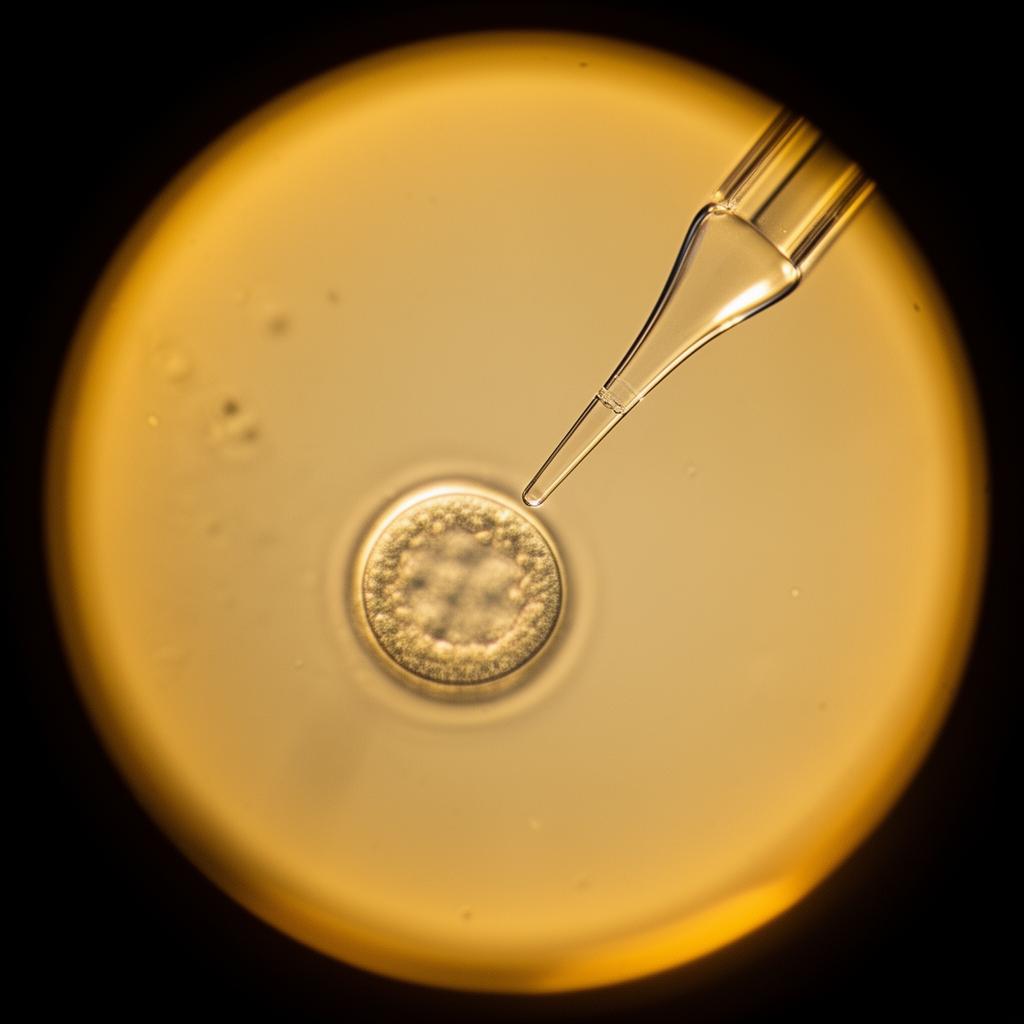
Some couples may benefit from intrauterine insemination, or IUI, while others need IVF. ICSI, intracytoplasmic sperm injection, involves injecting one sperm into an egg. It can help overcome certain fertilisation problems, but it does not repair sperm DNA or guarantee a healthy embryo.
Advanced embryology techniques also require careful explanation. Sperm-selection methods and surgical sperm retrieval are not routine solutions for an elevated DFI alone. Their potential benefits, limitations, costs and procedural risks need individual discussion.
Within my preconception programme, I bring these considerations together with emotional wellbeing and both partners’ health. When donor sperm is considered, I discuss counselling, consent and compliant pathways under India’s ART (Regulation) Act, 2021.
Key takeaways
Male fertility assessment goes beyond sperm count, but additional tests are useful only when they answer a clinical question. DFI can add information in selected circumstances; it is not a verdict on fatherhood. I focus on evaluating both partners, identifying treatable contributors and choosing personalised care that supports wellbeing while optimising—not promising—the chances of pregnancy.
To schedule your personalized consultation with Dr. Munawwer Sana at Apollo Fertility in Kondapur, Hyderabad, or to arrange an online telehealth video consultation, click here to book your appointment.
Want a personalised plan based on your reports?
Book an online consultation with Dr. Sana, or see her at Apollo Fertility, Kondapur (Mon, Tue, Wed, Thu & Sat, 1:00 PM – 6:00 PM). No referral required.
References & clinical guidelines
- Indian Council of Medical Research — National ART Guidelines and the ART (Regulation) Act, 2021
- ESHRE — European Society of Human Reproduction and Embryology, clinical practice guidelines
- NICE CG156 — Fertility problems: assessment and treatment
- Royal College of Obstetricians and Gynaecologists — patient information and guidelines