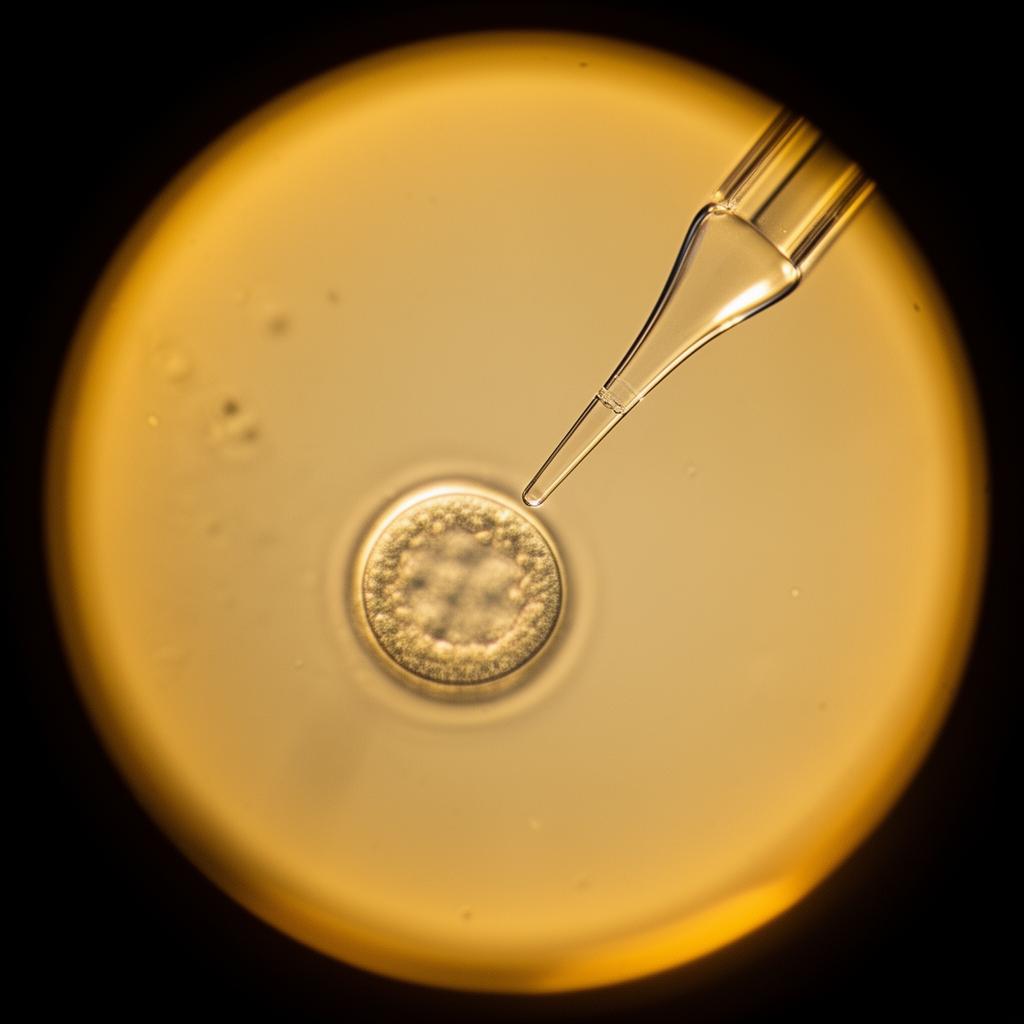

As a fertility specialist, I often see couples where the focus is entirely on the female partner when conception proves difficult. However, it's crucial to remember that male factor infertility plays a significant role in about 40-50% of cases, and often, we have tangible lifestyle levers that can genuinely improve sperm health. The remarkable thing is that sperm regenerate approximately every 70-74 days, meaning that consistent positive changes can actually "move the numbers" on a semen analysis report in just about three months.
01Understanding Male Fertility: Beyond Just Sperm Count
When we talk about male fertility, many people immediately think of sperm count. While count is undoubtedly important – the World Health Organisation (WHO) considers 15 million sperm per millilitre or more as normal – it's far from the only factor. We also meticulously assess sperm motility (how well they swim) and morphology (their shape). Poor motility means sperm struggle to reach the egg, and abnormal morphology can affect their ability to fertilise it. These three parameters together paint a comprehensive picture of a man's fertility potential.
The journey to conceiving a baby is a shared one, and optimising both partners' health is key. For men, this isn't about quick fixes or expensive supplements promising miracles. It's about consistent, evidence-based lifestyle adjustments that support the intricate process of spermatogenesis, the creation and maturation of sperm.
02The Impact of Diet: Fueling Healthy Sperm
What you eat directly impacts the raw materials available for sperm production and their protection from damage. A diet rich in antioxidants is paramount. Think of sperm as tiny, delicate cells highly susceptible to oxidative stress, which can damage their DNA and impair their function. Including a wide variety of fresh fruits and vegetables is the cornerstone of a sperm-friendly diet.
Specifically, I advise my patients to focus on:
- Leafy greens — Spinach, kale, and other greens are packed with folate, a B vitamin crucial for DNA synthesis and repair.
- Citrus fruits, bell peppers, and berries — Excellent sources of Vitamin C, a powerful antioxidant.
- Nuts and seeds — Walnuts, almonds, and sunflower seeds provide Vitamin E and selenium, both vital antioxidants. Omega-3 fatty acids, found in walnuts and flaxseeds, are also beneficial for sperm membrane integrity.
- Whole grains — Unlike refined grains, whole grains offer a steady supply of energy and essential nutrients without leading to insulin spikes.
- Lean protein — Opt for sources like fish (especially fatty fish like salmon, rich in Omega-3s), lean poultry, and legumes. Limit red meat consumption, particularly processed meats.
On the flip side, minimising ultra-processed foods, excessive sugar, and saturated/trans fats is just as important. These can contribute to inflammation and oxidative stress, directly harming sperm quality. Some studies suggest a link between high consumption of processed foods and lower sperm quality parameters, though more robust research is always ongoing.
03Weight Management: A Critical Factor
Obesity is a silent saboteur of male fertility. Excess body fat, particularly around the abdomen, can disrupt hormonal balance. Adipose tissue (fat cells) can convert testosterone into oestrogen, leading to lower testosterone levels and impaired sperm production. Obesity also increases scrotal temperature, another factor detrimental to sperm health. Furthermore, obesity is linked to increased oxidative stress and inflammation, directly impacting sperm DNA integrity.
Achieving and maintaining a healthy Body Mass Index (BMI) between 18.5 and 24.9 kg/m² is a critical step. Even a modest weight loss of 5-10% can significantly improve hormonal profiles and, consequently, semen parameters for many men. This often goes hand-in-hand with dietary changes and increased physical activity.
04Exercise, But With Caution
Regular, moderate exercise is excellent for overall health, including reproductive health. It helps with weight management, improves cardiovascular health, reduces stress, and can positively influence hormone levels. Aim for at least 150 minutes of moderate-intensity aerobic activity per week, coupled with strength training a couple of times a week. This could be brisk walking, cycling around KBR Park in Hyderabad, swimming, or gym workouts.
However, there's a caveat. Extreme or very high-intensity exercise, particularly endurance sports like marathons without adequate recovery, can sometimes temporarily lower testosterone levels and impact sperm quality. Moreover, activities that cause sustained scrotal heat, such as prolonged cycling with tight shorts, can be detrimental. The key is balance and listening to your body.
05The Heat Factor: Keeping Cool for Sperm
Sperm production requires a slightly cooler temperature than the rest of the body – typically 2-3 degrees Celsius below core body temperature. This is why the testes are located outside the body in the scrotum. Anything that consistently raises scrotal temperature can impair sperm development and function.
I frequently advise my patients to:
- Avoid prolonged hot baths, jacuzzis, and saunas.
- Limit laptop use directly on the lap for extended periods.
- Opt for loose-fitting underwear and trousers made of breathable fabrics like cotton, especially if your job involves prolonged sitting.
- If you work in a high-temperature environment, discuss strategies to mitigate heat exposure with your employer or consider regular breaks in cooler areas.
The effects of heat stress are often reversible, but it takes time. Consistent avoidance of heat sources for at least 3-6 months is usually necessary to see an improvement in semen parameters.
06Stress Management: A Neglected Aspect
The journey to conception can be incredibly stressful for couples, and male partners are not immune to its effects. Chronic stress can impact hormone levels, particularly the hypothalamic-pituitary-gonadal axis, which regulates sperm production. It can also lead to unhealthy coping mechanisms like increased smoking or alcohol consumption, further damaging fertility.
Finding healthy ways to manage stress is vital. This could include mindfulness practices, yoga, meditation, spending time in nature (perhaps a quiet walk around the Botanical Garden in Kondapur), hobbies, or simply dedicating time to relaxation. Prioritising sleep – aiming for 7-9 hours of quality sleep per night – is also a powerful stress reducer and essential for hormonal balance.
07Vices and Toxins: What to Avoid
Certain substances are unequivocally detrimental to sperm health. I strongly advise against their use when trying to conceive:
- Smoking — Both active and passive smoking introduce harmful toxins that damage sperm DNA, reduce sperm count and motility, and can increase oxidative stress. Quitting smoking is one of the most impactful changes a man can make for his fertility.
- Excessive Alcohol — While moderate alcohol consumption (1-2 drinks per day) may have minimal impact, heavy drinking can lead to reduced testosterone levels, impaired sperm production, and increased abnormal sperm forms. Abstinence or significant reduction is recommended during fertility treatment.
- Illicit Drugs — Substances like marijuana, cocaine, and anabolic steroids have well-documented negative effects on sperm count, motility, and morphology, often with long-lasting consequences.
- Environmental Toxins — Exposure to certain pesticides, heavy metals (like lead and cadmium), and endocrine-disrupting chemicals (found in some plastics and industrial pollutants) can impair sperm production. While complete avoidance can be challenging in modern life, being mindful of sources and reducing exposure where possible is prudent.
08Medications and Fertility
Some prescription and over-the-counter medications can temporarily or permanently impact male fertility. It's crucial to inform your fertility specialist about all medications you are currently taking, including herbal supplements. Common culprits include certain blood pressure medications, some antifungal drugs, specific antibiotics, and medications for stomach ulcers. Testosterone replacement therapy, ironically, can shut down natural sperm production, and its use needs careful consideration if fertility is a concern.
We will always review your medication list comprehensively during our consultation at Apollo Fertility, Kondapur, to identify any potential issues and explore alternatives if necessary. Never stop prescribed medication without consulting your doctor.
09When to Seek Professional Advice and Next Steps
If you and your partner have been trying to conceive for 12 months (or 6 months if the female partner is over 35) without success, it's time to seek a comprehensive fertility evaluation for both partners. For men, this typically begins with a semen analysis. Based on the results, we can then guide you on specific lifestyle modifications and, if needed, further diagnostic tests or assisted reproductive technologies (ART) like IUI or IVF.
A semen analysis at a reputable lab in Hyderabad usually costs between INR 800-2000. It is a critical, non-invasive first step. Remember, the ART Act 2021 in India provides a regulatory framework for fertility clinics, ensuring ethical and standardised practices.
Making these lifestyle changes requires commitment and consistency, but the potential rewards are immense. Many of my patients have seen significant improvements in their semen parameters simply by taking these levers seriously. It empowers men to actively participate in their fertility journey.
Want a personalised plan based on your reports?
Consult Dr. Sana by video from home — anywhere in India or abroad. Share your reports in advance and receive a written plan. No referral required.
Sources
- Indian Council of Medical Research — National ART Guidelines and the ART (Regulation) Act, 2021
- ESHRE — European Society of Human Reproduction and Embryology, clinical practice guidelines
- NICE CG156 — Fertility problems: assessment and treatment
- Royal College of Obstetricians and Gynaecologists — patient information and guidelines